 +91 954 002 5025 (24/7)


To Book an Appointment
Call Us+91 954 002 5025To Book an Appointment
Call Us+91 954 002 5025Nutrition Week Special | Whole Grains in our diet!
By Medical Expert Team
Aug 09 , 2017 | 5 min read

Whole grains have long been recognized as nutritional powerhouses. Packed with essential nutrients, they play a pivotal role in maintaining overall health and well-being. As Nutrition Week highlights the importance of balanced eating, adopting a whole-grain diet can support multiple aspects of health, but individual dietary needs and tolerances should be considered.
What Is a Whole Grain Diet?
A whole grain diet emphasizes consuming grains in their most natural form, where all three parts of the grain—bran, germ, and endosperm—are intact.
- Bran: The outer layer rich in fiber, antioxidants, and B vitamins.
- Germ: The nutrient-packed core containing vitamins, minerals, and healthy fats.
- Endosperm: The starchy middle layer that provides energy.
Examples of whole grains include:
Brown rice, Quinoa, Oats, Barley, Whole wheat, Millet.
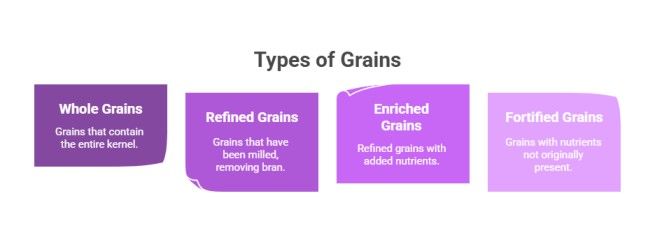
Types of Grains
Grains can be classified into four main types based on their processing and nutrient content:
- Whole Grains: Contain all three parts of the grain. Examples include quinoa, oats, barley.
- Refined Grains: Processed to remove bran and germ, resulting in lower nutrition. Examples: white rice, refined wheat flour.
- Enriched Grains: Refined grains with some nutrients added back but lack fiber.
- Fortified Grains: Have added nutrients not originally present, such as folic acid.
Tip: For optimal health, prioritize whole grains over refined grains.
Explore the expert guide - Constituents of a healthy diet, The Keto Diet Explained - Burn Fat & Lose Weight Without Going Hungry and Keto vs. Mediterranean Diet: Benefits & Meal Plan.
Whole Grain Foods Benefits: Top Reasons to Eat More
Here are some incredible health benefits of whole grains that make them a must in your daily diet:
- Supports Heart Health
Eating whole grains can reduce the risk of coronary heart disease (CHD). Studies indicate consuming three servings of whole grains daily may lower heart disease risk by up to 22%, though individual results vary. Consult a healthcare provider for personalized advice.
Learn more about - Diet After Heart Bypass Surgery: What to eat and Avoid and How a Dietitian Chart Can Help You Manage Your Diet and Achieve Your Health Goals.
- Aids in Weight Management
The high fiber content promotes satiety, helping control hunger and manage weight effectively. - Reduces Cancer Risk
Whole grains contain antioxidants and phytochemicals associated with decreased risk of colorectal cancer. Whole grains are part of a multifactorial approach to cancer prevention.
Read more about - 15 Cancer Fighting Foods That Can Help Lower Risk and Colon Cancer Symptoms.
- Promotes Gut Health
Fiber in whole grains nourishes beneficial gut bacteria, supporting digestion and overall gut health. - Improves Longevity
Regular consumption is linked to longer lifespan by reducing risks of chronic diseases. - Packed with Essential Nutrients
Whole grains contain fiber, B vitamins (niacin, thiamine, folate), minerals (iron, magnesium, zinc), and antioxidants vital for health. - Reduces Risk of Stroke
Rich in vitamin K, antioxidants, and fiber, whole grains help reduce stroke risk. - Helps Maintain a Healthy Weight
Fiber increases fullness, reducing overeating and associated BMI and belly fat. - Reduces Chronic Inflammation
Whole grains contain compounds that reduce inflammation linked to heart disease and cancer. - Lowers Risk of Type 2 Diabetes
Whole grains improve insulin sensitivity and help regulate blood sugar. Fiber and magnesium play key roles.
Read more about - PCOS Diet Plan & PCOD Diet Chart – Foods to Eat & Avoid and Jaundice Diet Chart: Worst and Best Foods For Jaundice Patients.
Choose Healthy Whole Grain Foods
Healthy whole-grain foods to include:
Whole Wheat (bread, pasta, flour), Brown Rice, Quinoa, Oats, Barley, Bulgur, Farro, Rye, Millet, Buckwheat, Spelt, Amaranth, Teff.
Whole Grain Snacks and Processed Products
Popcorn (air-popped), Whole Grain Cereals (low sugar), Crackers, Tortillas, Pancakes or Waffles, Specialty grains like Wild Rice, Freekeh, Kamut, and Whole Grain Flours and Granola.
Read more about - Super Foods for Women and Benefits of Dash Diet.
Benefits for Children and Older Adults
Whole grains support digestion and weight management for all ages. Eating 3 servings daily may reduce risks of heart disease, stroke, diabetes, cancer, and obesity by significant percentages.
- For Children: Support growth, cognition, and sustained energy.
- For Older Adults: Help maintain bowel regularity and cholesterol levels.
How to Include Whole Grains in Your Diet
Daily meal ideas:
- Breakfast: Oatmeal or whole-grain toast.
- Lunch: Brown rice, quinoa bowls, or whole-grain wraps.
- Dinner: Barley soup or whole-grain pasta.
- Snacks: Air-popped popcorn, whole-grain crackers.
Whole Grain Nutritional Value
Per 100g whole wheat flour: Calories 339, Fat 1.87g, Carbs 72.57g, Protein 13.7g, rich in fiber, B vitamins, iron, magnesium, zinc, antioxidants, and essential fatty acids.
Tips for Choosing Whole Grains
- Look for "100% whole grain" or "whole wheat" on labels.
- Avoid added sugars or refined flour.
- Experiment with diverse whole grains to vary your diet.
Conclusion
This Nutrition Week, take a pledge to embrace whole grains for a healthier you. Incorporating nutrient-rich whole grains fuels your body and supports long-term health.
Disclaimer: The information provided is for educational purposes only and does not replace professional medical advice. Consult your healthcare provider for any health concerns or conditions.
Frequently Asked Questions
Q1. Can I include whole grains in a gluten-free diet?
Absolutely! Gluten-free grains like quinoa, brown rice, and millet are excellent options.
Q2. How many servings of whole grains should I eat daily?
Aim for at least 3-5 servings per day.
Q3. Are whole grains suitable for weight loss?
Yes, fiber content helps control appetite and supports weight management.
Explore about - Diet Chart for Weight Loss for Female and Male and Losing Weight Without Exercising is Possible.
Q4. How much whole grain should a moderate worker consume?
At least 48 grams (3 servings) daily.
Q5. How to add whole grains to your diet?
Start with oatmeal/toast, use brown rice and quinoa, snack on popcorn, choose whole-grain pasta and bread, try ancient grains like farro and buckwheat.
Q6. Are whole grains right for everyone?
People with gluten intolerance should avoid wheat, barley, rye but can choose gluten-free grains. IBS patients should consult healthcare providers.
Q7. How should whole grains be consumed, and are there any precautions to take?
Soaking and sprouting can reduce phytic acid and enzyme inhibitors, improving digestion and nutrient absorption.
Read more about - Best Foods for Liver Health - Role of Diet in Liver Health and Dietary Changes You Can Make To Improve Your Kidney Health.
References
1. Slavin, J. (2022). Whole grains and human health. Nutrition Reviews, 80(7), 557-570. https://doi.org/10.1093/nutrit/nuaa129
2. Aune, D., Keum, N., Giovannucci, E., et al. (2016). Whole grain consumption and risk of cardiovascular disease, cancer, and all cause and cause specific mortality: systematic review and dose-response meta-analysis of prospective studies. BMJ, 353, i2716. https://doi.org/10.1136/bmj.i2716
3. U.S. Department of Health and Human Services and U.S. Department of Agriculture. (2020). Dietary Guidelines for Americans, 2020-2025 (9th ed.). https://www.dietaryguidelines.gov/

Related Blogs

Medical Expert Team
Aug 08 , 2022 | 5 min read

Medical Expert Team
Dec 21 , 2022 | 9 min read

Blogs by Doctor


Women Health: Super Foods Every Woman Must Include in Diet
Medical Expert Team
Apr 03 , 2019 | 5 min read

Celebrate the Spirit of Holi in a Swachh Way This Year
Medical Expert Team
Mar 20 , 2019 | 5 min read
Most read Blogs


Related Blogs
Medical Expert Team
Aug 08 , 2022 | 5 min read
Medical Expert Team
Dec 21 , 2022 | 9 min read
Blogs by Doctor
Women Health: Super Foods Every Woman Must Include in Diet
Medical Expert Team
Apr 03 , 2019 | 5 min read
Celebrate the Spirit of Holi in a Swachh Way This Year
Medical Expert Team
Mar 20 , 2019 | 5 min read
Most read Blogs
