 +91 954 002 5025 (24/7)

Best Oncologists in Delhi, India
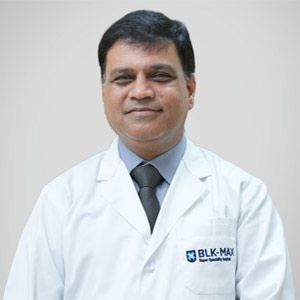
Dr. Rajesh Kumar Jain
Principal Director - Surgical Oncology
Surgical Oncology, Cancer Centre, Thorax & Lung Cancer Programme, Head and Neck Cancer Programme, Thoracic Cancer Programme, Thyroid Cancer Programme, Advance Urology Cancer Programme, Breast Cancer Programme, Sarcoma and Bone Cancer Programme, Paediatric Cancer Programme, Gynaecologic Cancer Programme, Cancer Robotic Surgery Programme, Lymphoma Cancer Programme
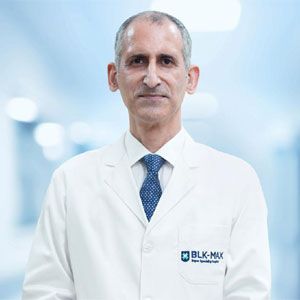
Dr. Anusheel Munshi
Principal Director & HOD - Radiation Oncology
Radiation Oncology, Cancer Centre, Head and Neck Cancer Programme, Thorax & Lung Cancer Programme, Thoracic Cancer Programme, Breast Cancer Programme, Thyroid Cancer Programme, Advance Urology Cancer Programme, Gastrointestinal (GI) Cancer Programme, Sarcoma and Bone Cancer Programme, Gynaecologic Cancer Programme, Paediatric Cancer Programme

Dr. Chandragouda Dodagoudar
Senior Director & Unit Head - Medical Oncology
Cancer Centre, Head and Neck Cancer Programme, Breast Cancer Programme, Gynaecologic Cancer Programme, Thoracic Cancer Programme, Thorax & Lung Cancer Programme, Thyroid Cancer Programme, Advance Urology Cancer Programme, Gastrointestinal (GI) Cancer Programme, Sarcoma and Bone Cancer Programme, Lymphoma Cancer Programme, Paediatric Cancer Programme

Dr. Pramoj Jindal
Senior Director - Thoracic Surgery & Lung Transplantation
Thoracic Surgery & Lung Transplant, Thoracic Cancer Programme, Thorax & Lung Cancer Programme, Cancer Centre

Dr. Yajvender Pratap Singh Rana
Senior Director - Urology, Uro- Oncology, Andrology and Kidney Transplant
Cancer Centre, Centre For Renal Sciences & Kidney Transplant, Kidney Transplant, Advance Urology Cancer Programme, Reconstructive Urology, Laparoscopic Urology, Female Urology, Andrology, Technology For Renal Care, Endourology, Cancer Robotic Surgery Programme
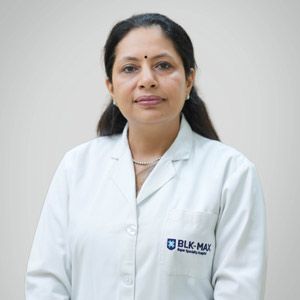
Dr. Shruti Bhatia
Director - Gynaecological Surgical Oncology
Cancer Centre, Surgical Oncology, Gynaecologic Cancer Programme
Can't find what you are looking for?
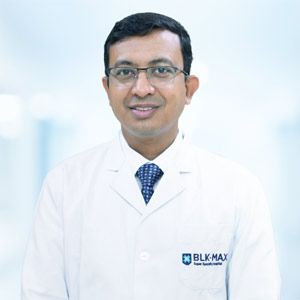
Dr. Manish Jain
Director & Unit Head - Gastrointestinal Oncosurgery
Cancer Centre, Surgical Oncology, Gastrointestinal (GI) Cancer Programme, Cancer Robotic Surgery Programme
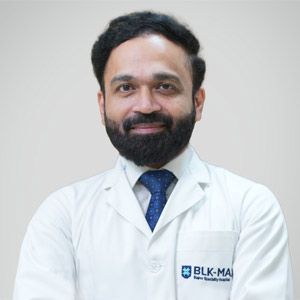
Dr. Pranjal Kulshreshtha
Director - Breast Oncological Surgery
Cancer Centre, Breast Cancer Programme
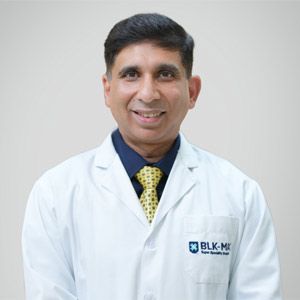
Dr. Ishan Mohan
Director - Head & Neck Oncosurgery
Cancer Centre, Head and Neck Cancer Programme, Surgical Oncology
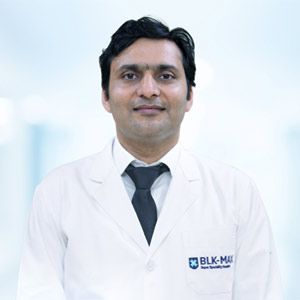
Dr. Abhishek Aggarwal
Associate Director - Gastrointestinal Oncosurgery
Cancer Centre, Surgical Oncology, Gastrointestinal (GI) Cancer Programme, Cancer Robotic Surgery Programme
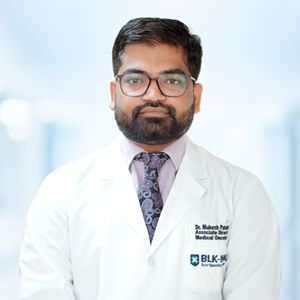
Dr. Mukesh Patekar
Associate Director - Medical Oncology
Cancer Centre, Medical Oncology, Sarcoma and Bone Cancer Programme, Head and Neck Cancer Programme, Thorax & Lung Cancer Programme, Thoracic Cancer Programme, Breast Cancer Programme, Thyroid Cancer Programme, Advance Urology Cancer Programme, Gastrointestinal (GI) Cancer Programme, Gynaecologic Cancer Programme
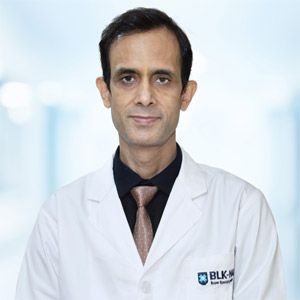
Dr. Ranjan
Senior Consultant - Medical Oncology
Medical Oncology, Cancer Centre, Sarcoma and Bone Cancer Programme, Head and Neck Cancer Programme, Thorax & Lung Cancer Programme, Breast Cancer Programme, Thoracic Cancer Programme, Advance Urology Cancer Programme, Thyroid Cancer Programme, Gastrointestinal (GI) Cancer Programme, Cancer Reconstructive Surgery Programme, Lymphoma Cancer Programme, Gynaecologic Cancer Programme
Frequently Asked Questions
1. Who is an Oncologist?
An oncologist is a cancer specialist who diagnoses and treats cancer patients. They work with other specialists to design treatment plans and provide supportive care.
Explore our blog to know: What Is an Oncologist?
2. What are the Conditions & types of disease treated by Oncologists?
Common conditions treated by Oncologists are-
- Carcinomas - Carcinomas are cancers of skin cells or the tissue lining the internal organs such as kidneys and liver. Common types of carcinomas are-
- Basal cell Carcinoma
- Squamous Cell carcinoma
- Adenocarcinoma
- Ductal Carcinoma in-situ (DCIS)
- Renal cell Carcinoma
- Invasive ductal Carcinoma
- Sarcomas - Sarcomas are cancers of soft tissue and bones. Common types of sarcomas are-
- Osteosarcoma Cancer of bone cells
- Chondrosarcoma Cancer of cartilage cells
- Liposarcoma Cancer of fat cells
- Fibrosarcoma Cancer of fibrous tissue
- Angiosarcoma Cancer of blood vessels
- Synovial sarcoma Cancer of cells of tendons and joints
- Leukaemias - Leukemias are cancers of blood cells. Common types of leukaemias are-
- Acute Lymphocytic Leukaemia (ALL)
- Chronic Lymphocytic Leukemia (CLL)
- Acute Myelogenous Leukemia (AML)
- Chronic Myelogenous Leukemia (CML)
- Lymphoma - Lymphoma is a cancer of cells of the immune system. Common lymphomas are
- Central Nervous System Cancer - Central nervous system cancers are cancers of the brain and spinal cord. Common central nervous system cancers are-
- Gliomas
- Astrocytomas
- Oligodendrogliomas
- Ependymomas
- Meningiomas
- Medulloblastomas
- Schwannomas
3. When do I need to see an oncologist?
You need to see an Oncologist if you have symptoms such as-
- A persistent lump
- Unintended weight loss
- Overwhelming fatigue
- Unexplained pain;
If you are a cancer patient or suspected case of cancer, your physician will refer you to an Oncologist.
4. How does an oncologist diagnose cancer?
Your doctor will take a note of medical history, family history and personal history such as tobacco, gutka chewing etc. Your doctor may ask you to undergo the following tests that can help in the diagnosis of cancer.
5. What are the different types of oncologists?
There are three major types of cancer specialists
- Medical Oncologists - They treat cancer using medications and use modalities such as chemotherapy, targeted therapy and immunotherapy.
- Radiation Oncologists - They use high energy X-Ray beams (radiation therapy) to kill cancer cells.
- Surgical Oncologists - They perform surgery to remove the cancerous tissue.
There are oncologists for each speciality. Some of the common cancer specialists are-
- Neuro-oncologists
- Pediatric oncologists
- Geriatric oncologists
- Hematologist-oncologists
- Thoracic oncologists
- Urologic oncologists
- Gynecologic oncologists
6. What does an oncologist do on the first visit?
In the first appointment, your cancer specialist will perform a thorough examination. The doctor will take your medical, personal and family history and ask you to undergo certain diagnostic tests.
7. How does an oncologist help?
A cancer doctor helps by -
- Confirming the initial diagnosis
- Explaining the stage of cancer and diagnosis in detail to patients.
- Preparing a personalized treatment plan
- Overseeing during the entire treatment execution
- Managing symptoms
- Managing side effects of treatment
