 +91 954 002 5025 (24/7)

To Book an Appointment
Call Us+91 954 002 5025To Book an Appointment
Call Us+91 954 002 5025Foods That Boost Heart Health: What to Eat and What to Avoid
By Dr. Subhash Chandra in Heart & Vascular Institute
Jun 18 , 2025 | 14 min read

Heart disease is one of the leading causes of illness and death worldwide, and its burden is rising rapidly in India.
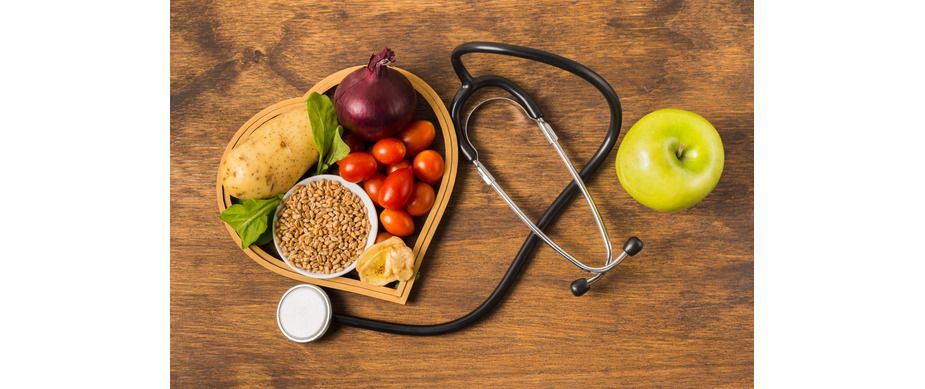
Along with medicines, regular check‑ups and lifestyle changes, a structured heart‑healthy diet is a key tool to improve cholesterol, blood pressure, weight and overall cardiovascular health.
A heart patient diet chart is not a crash or “restriction” diet; instead, it focuses on eating more protective foods and limiting items that can worsen blood pressure, cholesterol and inflammation so that the heart can work more efficiently.
This guide combines evidence‑based nutrition principles with practical Indian meal ideas to help heart patients and their families plan everyday meals safely and confidently.
What Is a Heart Patient Diet Chart?
A heart patient diet chart is a medically guided meal pattern that emphasises foods low in unhealthy fats, sodium and added sugars, and rich in fiber, antioxidants, vitamins, minerals and heart‑protective fats.
Its primary goals include:
- Reducing LDL (bad) cholesterol and non‑HDL cholesterol.
- Lowering or maintaining healthy blood pressure levels, especially in patients with hypertension.
- Controlling triglyceride levels.
- Improving blood circulation and endothelial function.
- Managing body weight and abdominal fat.
- Supporting recovery after heart events or procedures and reducing future cardiovascular risk.
Know more about - Dietitian Chart for a Healthy Diet & Goals and Constituents of a Healthy Diet: Key Nutrition Components.
Why Heart Patients Need a Specific Diet
Heart patients are more vulnerable to:
- Arterial plaque build‑up and blockages
- High cholesterol and triglycerides
- Irregular or high blood pressure
- Chronic low‑grade inflammation
- Poor circulation and stiff blood vessels,
A heart‑focused dietary pattern such as the Mediterranean or DASH diet can significantly lower major cardiovascular events and blood pressure when followed consistently along with prescribed treatment.
Diet alone cannot replace procedures, medicines or emergency care, but it can meaningfully slow disease progression and support long‑term heart health when used as part of a comprehensive treatment plan.
Learn more about - Calcium Test for Heart and Effective Lifestyle Changes to Prevent Heart Attack.
Core Principles of a Heart Patient Diet Chart
- Low sodium (salt), especially for patients with hypertension.
- Low saturated and trans fats; emphasis on unsaturated fats.
- High fiber from whole grains, legumes, fruits and vegetables.
- Adequate lean proteins from plant and animal sources.
- Healthy fats from nuts, seeds and plant oils.
- Antioxidant‑rich foods to limit oxidative stress.
- Balanced portions to support healthy weight.
- Adequate hydration, as advised by the treating doctor (particularly in those with heart failure or kidney disease).
Know more about - Chest Pain Reasons & Prevention and Heart Specialist vs Cardiologist: Key Differences.
Foods That Are Good for Your Heart
Patterns such as the Mediterranean and DASH diets, which emphasise fruits, vegetables, whole grains, legumes, nuts, seeds and fish, are consistently linked with reduced cardiovascular events and improved risk factors.
Below are heart‑supportive foods grouped into simple categories.
1. Fruits for Heart Health
Rich in antioxidants, vitamins and fiber.
- Berries (strawberries, blueberries, blackberries, raspberries) – associated with improved vascular function and reduced oxidative stress.
- Citrus fruits (orange, lemon, grapefruit) – high in vitamin C and flavonoids that support blood vessel health.
- Apple, guava, papaya, pear – provide soluble fiber that can help lower LDL cholesterol.
2. Vegetables
Low in calories, high in nutrients and fiber.
- Leafy greens (spinach, methi, sarson, kale) – naturally rich in nitrates that can improve blood flow and support blood pressure control.,
- Cruciferous vegetables (broccoli, cabbage, cauliflower) – contain compounds associated with better vascular and metabolic health.
- Colorful vegetables (carrots, beetroot, tomatoes, capsicum) – provide carotenoids and other antioxidants that help reduce oxidative damage.
3. Whole Grains
Help regulate cholesterol and stabilise blood sugar.
- Oats
- Brown rice
- Quinoa
- Whole wheat (atta)
- Barley
- Millets (ragi, jowar, bajra)
Replacing refined grains with whole grains is linked to lower cardiovascular disease risk and improved blood lipids.
Explore the expert guide about heart attack recovery and Angina Symptoms.
4. Lean Proteins
Support muscle repair, metabolism and heart function.
- Fish such as salmon, sardines and mackerel (fatty fish) – provide marine omega‑3 fatty acids that can lower triglycerides and may reduce arrhythmic risk.
- Skinless chicken (prepared with minimal oil and salt).
- Eggs – mainly egg whites; whole egg intake should be personalised based on cholesterol levels and physician advice.
- Plant‑based proteins such as tofu, tempeh and low‑fat paneer or curd provide protein with less saturated fat compared with many red meats.
Read more about - How a Dietitian Chart Can Help You Manage Your Diet and Achieve Your Health Goals and 7 Key Facts to Understand About Cardiac Stress Test.
5. Legumes & Pulses
Rich in plant protein and soluble fiber.
- Chickpeas (chole)
- Black beans, rajma (kidney beans)
- Lentils (moong dal, masoor dal, toor dal)
Higher intake of legumes is associated with lower cardiovascular disease risk in observational studies.
6. Healthy Fats
Support cholesterol control and reduce inflammation.
- Olive oil, mustard oil, groundnut oil (used in moderation)
- Flaxseeds and chia seeds
- Walnuts
- Almonds and pistachios (unsalted)
- Avocado
Replacing saturated fats with unsaturated fats from vegetable oils, nuts and seeds improves lipid profiles and cardiovascular risk.
7. Spices & Functional Foods
Add flavour and may support heart health.
- Garlic – may modestly help reduce blood pressure and cholesterol in some individuals.
- Turmeric – contains curcumin with anti‑inflammatory properties.
- Ginger – may support circulation and digestive comfort.
- Cinnamon – may help improve insulin sensitivity when used in small quantities.
These ingredients should complement, not replace, prescribed medicines or lifestyle measures.
Explore the expert guide about - Coronary Angiography & Angioplasty and Gym Heart Attack: Causes, Risks, Prevention.
Foods to Avoid or Limit in a High Cholesterol or Heart Patient Diet
To protect the heart, certain foods should be limited or avoided, especially when cholesterol, triglycerides or blood pressure are high.
1. Trans Fats
Commonly found in:
- Packaged snacks
- Commercial bakery products (pastries, cookies, doughnuts)
- Deep‑fried fast food
- Foods made with partially hydrogenated oils
These fats increase LDL and lower HDL cholesterol and are strongly linked with higher cardiovascular risk.
2. Saturated Fats
Commonly found in:
- Red meat (mutton, beef, processed meat)
- Full‑fat milk products, cream and cheese
- Butter, ghee in excess
- Cream‑based gravies and desserts
High intake of saturated fats, especially from processed meats and high‑fat dairy, is associated with higher LDL cholesterol and greater cardiovascular risk; replacing them with unsaturated fats is recommended.
3. Excess Salt (Sodium)
High sodium intake is a major contributor to raised blood pressure.,
Avoid or minimise:
- Pickles and achar
- Papad and salted snacks
- Chips and namkeen
- Instant noodles and packaged soups
- Restaurant and fast foods
- Processed meats (sausages, salami)
4. Added Sugars
High added sugar intake can raise triglycerides, promote weight gain and worsen insulin resistance.
Limit:
- Sweets, mithai, desserts
- Soft drinks and energy drinks
- Packaged juices and sugary beverages
- Flavoured coffees and teas with added sugar
5. Refined Carbohydrates
Low in fiber and quickly raise blood sugar.
Avoid or limit:
- White rice in large portions
- Maida‑based products (white bread, biscuits, bakery items)
- Sugar‑laden breakfast cereals and snacks
Replacing refined carbohydrates with whole grains and high‑fiber options supports better blood sugar and lipid control.
Is Boost Good for Heart Patients?
Many heart patients and caregivers ask whether Boost or similar commercial health drinks are safe.
In general, Boost and comparable malted drinks are not ideal for most heart patients because they often contain added sugars, calories and sometimes higher glycaemic load that can worsen triglycerides and weight if taken regularly.
They are also not specifically formulated for cardiac patients or those with fluid or sodium restrictions.
Better everyday options (if allowed by your doctor) include:
- Unsweetened or lightly sweetened almond or soy milk
- Low‑fat milk (with portion control)
- Homemade smoothies using oats, fruit and flax or chia seeds
- Plain, unsweetened curd or buttermilk
In certain situations (such as poor appetite, under‑nutrition or after major illness), a cardiologist or clinical nutritionist may prescribe specific medical nutrition supplements tailored for heart or kidney patients; these should never be started without medical advice.
Read more about - Heart Specialist vs Cardiologist: What's the Difference? and Heart Attack Symptoms.
“1 Food That Kills High Blood Pressure”: Myth vs Fact
You may come across headlines like “1 food that kills high blood pressure.”
This is misleading – no single food can cure hypertension or instantly normalise blood pressure.
However, some foods and patterns are scientifically shown to help lower blood pressure when consumed regularly as part of an overall DASH‑style diet and low‑sodium lifestyle.
Foods That Help Reduce High Blood Pressure
- Beetroot – naturally rich in nitrates that can help lower blood pressure by improving nitric oxide availability and blood vessel dilation.
- Garlic – allicin may mildly reduce blood pressure in some people.
- Banana – high in potassium, which helps balance sodium and support blood pressure control.
- Oats – provide beta‑glucan fiber that can modestly improve blood pressure and cholesterol.
- Dark chocolate (≥70% cocoa) – small amounts may improve endothelial function due to flavanols.
Meaningful blood pressure improvement usually requires a combination of low‑sodium eating, weight management, regular exercise, adequate sleep and adherence to prescribed medications, not one “magic” food.
Learn more about - Keto Diet for Weight Loss: Burn Fat Fast Without Hunger and Heart Failure Symptoms in Women vs. Men.
Foods to Boost Heart Circulation and Cardiovascular Health
Poor circulation and stiff arteries increase the workload on the heart.
Certain foods and dietary patterns can help improve endothelial function and blood flow over time.
1. Foods High in Dietary Nitrates
- Beetroot
- Spinach and other leafy greens
- Rocket (arugula)
These can increase nitric oxide production, which relaxes blood vessels and supports blood pressure control.
2. Antioxidant‑Rich Foods
- Berries
- Pomegranate
- Dark chocolate (in small portions)
Regular intake can reduce oxidative stress and help protect arteries from damage.
3. Omega‑3 Fatty Acids
- Salmon, sardines and mackerel
- Walnuts
- Flaxseeds and chia seeds
Omega‑3s can lower triglycerides and may support better vascular function.
4. Anti‑Inflammatory Spices
- Turmeric
- Ginger
- Garlic
These can complement an overall anti‑inflammatory eating pattern and may modestly support vascular health.
5. Hydrating Foods and Fluids
- Water (as permitted by your cardiologist)
- Coconut water (without added sugar, and only if potassium and fluid intake are not restricted)
- Citrus fruits, cucumbers and watery vegetables
Adequate hydration supports blood volume and flow, but in patients with heart failure or kidney disease, total fluid allowance must always be individualised by the treating team.
Sample Heart Patient Diet Chart & Meal Plan
This is a general sample for educational purposes; every heart patient’s needs differ depending on medications, kidney function, diabetes status and cultural preferences. Always discuss your final diet plan with your cardiologist or dietitian.
Morning (around 7:00 AM)
- Warm water or infused water (lemon wedge, jeera)
- 5–6 soaked almonds or walnuts (unsalted)
Breakfast (around 8:30 AM) – choose one
- Oats cooked in low‑fat milk or water with chia seeds and berries
- Vegetable poha with peas and peanuts prepared in minimal oil
- 1–2 multigrain rotis with low‑fat paneer bhurji and vegetables
- Smoothie (oats + banana + flaxseed) without added sugar
Beverage:
- Green tea or herbal tea without added sugar
Mid‑Morning Snack (around 11:00 AM)
- One seasonal fruit (apple, papaya, guava, orange, pomegranate)
- 1 tablespoon roasted mixed seeds (sunflower, pumpkin, flax)
Lunch (around 1:30 PM)
- Brown rice or 2 whole‑wheat/multigrain rotis
- 1 bowl dal (moong, masoor, toor) or beans (chole, rajma)
- 1 cup mixed vegetables (bhaji/sabzi) prepared in minimal oil
- Small salad with cucumber, tomato, carrot and a drizzle of olive/mustard oil and lemon
Evening Snack (around 4:30 PM)
- Green tea or herbal tea
- 2 multigrain crackers or khakhra, OR
- Whole‑wheat avocado toast or vegetable sandwich
Dinner (around 7:30 PM)
- Grilled or baked fish/chicken OR tofu/paneer (low‑fat)
- Sautéed or steamed vegetables
- Light dal or sambar
- Small portion of millet khichdi or quinoa pulao with vegetables
Before Bed (around 9:30 PM)
- Turmeric milk made with low‑fat milk or fortified plant milk, if tolerated and not contraindicated by fluid or calorie restriction.
Lifestyle Tips to Support Your Heart Health
Diet works best when combined with other heart‑healthy habits.
1. Exercise Regularly
- Aim for at least 150 minutes per week of moderate‑intensity aerobic activity such as brisk walking, as advised by your cardiologist or contact your doctor.
- Include light strength training and flexibility exercises if permitted.
2. Manage Stress
- Practice meditation, yoga, or deep breathing.
- Maintain social connections and consider counselling if needed.
3. Quit Smoking & Limit Alcohol
- Completely avoid tobacco in all forms; smoking significantly increases heart disease and stroke risk.
- If you drink alcohol, discuss safe limits with your doctor; many heart patients are advised to avoid or minimise alcohol.
4. Maintain Proper Sleep
- Target 7–8 hours of quality sleep per night.
- Avoid heavy, late‑night meals and excessive caffeine close to bedtime.
5. Stay Hydrated
- Typically 2–2.5 litres per day for healthy adults, but heart failure or kidney disease patients may need specific fluid targets from their doctors.
- Avoid sugary beverages and energy drinks.
6. Regular Health Check‑Ups
- Lipid profile, blood pressure and blood sugar monitoring as advised.
- ECG, echocardiography and stress tests when recommended by your cardiologist.
Know more about - PPBS Test: Why Monitoring Blood Sugar After Meals Matters and Brain Stroke Symptoms: Warning Signs & When to Seek Help.
Frequently Asked Questions About Heart Patient Diets
1. What does a heart patient diet typically consist of?
A heart‑patient diet focuses on foods low in sodium, saturated fats and added sugars, and high in fiber, antioxidants, whole grains, legumes, nuts, seeds, fruits, vegetables and healthy fats.
It is similar to well‑studied patterns such as the Mediterranean and DASH diets, which are linked with lower cardiovascular events.
Read more about - Keto vs. Mediterranean Diet: Benefits & Meal Plan.
2. Which foods are harmful for patients with heart blockage, and what are safer alternatives?
Harmful choices include fried foods, processed meats, sugary beverages, bakery items made with refined flour and trans fats, red and processed meats and high‑salt snacks.,
Safer alternatives are leafy greens, whole grains, beans and lentils, fatty fish (non‑fried), nuts, seeds and plant oils like olive or mustard oil in moderation.
3. Can heart disease be reversed by diet alone?
Diet can significantly improve risk factors such as cholesterol, blood pressure, weight and blood sugar, and may slow or partially reverse early atherosclerotic changes in some patients.
However, established heart disease usually requires a combination of medicines, possible procedures, lifestyle changes and consistent follow‑up; diet alone should never replace prescribed treatment.
4. Are dairy products safe for heart patients?
Low‑fat or skim milk, curd and paneer can fit into a heart‑healthy diet for many patients when portions and total saturated fat intake are controlled.
Patients with high cholesterol, lactose intolerance or heart failure should discuss the type and amount of dairy suitable for them with their cardiologist or dietitian.
5. Is Boost good for heart patients?
Generally, Boost and similar malted drinks are not recommended routinely for heart patients because they are often high in added sugars and calories and are not cardiac‑specific formulations.
If a supplement drink is needed due to poor intake or weight loss, it should be chosen and prescribed by a doctor or clinical nutritionist.
6. Can certain foods lower high blood pressure naturally?
Yes. Foods rich in potassium, magnesium, fiber and nitrates (such as fruits, vegetables, whole grains, legumes and beetroot) can support blood pressure reduction as part of a DASH‑style, low‑sodium diet.
These dietary changes should complement, not replace, blood pressure medicines unless your doctor advises dose changes.
7. What foods help boost heart circulation?
Foods rich in nitrates (beetroot, leafy greens), antioxidants (berries, pomegranate, dark chocolate in moderation) and omega‑3 fats (fatty fish, walnuts, flaxseeds) can support vascular health and circulation.
Overall patterns such as the Mediterranean and DASH diets are more important than single foods.
8. How can I create a daily heart patient diet chart?
Use a structure such as: high‑fiber breakfast, fruit plus nuts/seeds mid‑morning, balanced lunch with whole grains, legumes and vegetables, light evening snack and a low‑fat, protein‑rich dinner with plenty of vegetables.
Adjust portions, salt, fluid and specific foods based on your cardiologist’s and dietitian’s advice, especially if you also have diabetes, kidney disease or heart failure.
9. What makes the DASH diet ideal for heart patients?
The DASH diet limits sodium and emphasises fruits, vegetables, whole grains, low‑fat dairy, legumes, nuts and lean proteins, which has been shown to significantly lower blood pressure and improve cardiovascular risk factors.
It is flexible, culturally adaptable and can be combined with Indian foods and recipes.
10. How important is hydration in a heart patient diet?
Adequate hydration helps maintain blood volume and circulation and supports kidney function.
In patients with heart failure or kidney impairment, both excess and very low fluid intake can be harmful, so fluid targets must be individualised by the treating team.
11. What’s the best food to eat daily for heart health?
Leafy greens, whole grains, nuts, berries, and fatty fish like salmon are heart-healthy. These foods support cholesterol balance, reduce inflammation, and improve blood pressure when eaten regularly.
12. Are eggs bad for the heart?
Eggs in moderation are generally safe for heart health. They contain nutrients like protein and choline. Limit intake if you have high cholesterol or diabetes—consult your doctor for personalised advice.
13. Can I drink coffee for heart health?
Moderate coffee intake is fine. But it is better to avoid excess caffeine and added sugars.
14. Is dark chocolate good for the heart?
Yes, in moderation. Dark chocolate (70% cocoa or more) contains flavonoids that improve blood flow and lower blood pressure. Avoid varieties with high sugar or milk content.
15. How fast can dietary changes improve heart health?
Positive changes can improve blood pressure and cholesterol in a few weeks. Consistent, healthy eating shows measurable heart health benefits within 3 to 6 months in most people.
Read more about - 7 Myths About Hypertension and Types of Cardiovascular Accidents.
Medical Disclaimer
This article is for educational and informational purposes only and does not replace professional medical advice, diagnosis or treatment. Always consult your cardiologist, physician or a registered dietitian before making any changes to your diet, fluid intake, medicines or lifestyle, especially if you have existing heart disease, kidney disease, diabetes or are on regular prescription medication. In an emergency (such as chest pain, breathlessness, fainting or stroke‑like symptoms), seek immediate medical care rather than relying on diet or home remedies.
References
- American Heart Association. (2024). Diet and lifestyle recommendations. https://www.heart.org
- World Health Organization. (2023). Cardiovascular diseases (CVDs) fact sheet. https://www.who.int
- Liyanage, T., Ninomiya, T., Wang, A., & Hillis, G. (2016). Effects of the Mediterranean diet on cardiovascular outcomes: A systematic review and meta‑analysis. PLOS ONE, 11(8), e0159252. https://doi.org/10.1371/journal.pone.0159252
- Juraschek, S. P., Miller, E. R., Weaver, C. M., & Appel, L. J. (2017). Effects of sodium reduction and the DASH diet in relation to baseline blood pressure. Journal of the American College of Cardiology, 70(23), 2841–2848. https://doi.org/10.1016/j.jacc.2017.10.011
- Doundoulakis, I., Kourlaba, G., & Kalogeropoulos, A. (2024). Effects of dietary interventions on cardiovascular outcomes: An umbrella review. Nutrition Reviews, 82(6), 715–729. https://doi.org/10.1093/nutrit/nuad130
- National Heart, Lung, and Blood Institute. (2022). Heart‑healthy lifestyle changes. https://www.nhlbi.nih.gov
- Lundberg, J. O., Weitzberg, E., & Gladwin, M. T. (2008). The nitrate–nitrite–nitric oxide pathway in physiology and therapeutics. Nature Reviews Drug Discovery, 7(2), 156–167. https://doi.org/10.1038/nrd2466
- Reynolds, A., Mann, J., Cummings, J., Winter, N., Mete, E., & Te Morenga, L. (2019). Carbohydrate quality and human health: A series of systematic reviews and meta‑analyses. The Lancet, 393(10170), 434–445. https://doi.org/10.1016/S0140-6736(18)31809-9
- Imamura, F., Micha, R., Wu, J. H. Y., et al. (2016). Effects of saturated fat, polyunsaturated fat, monounsaturated fat, and carbohydrate on blood lipids: A systematic review and meta‑analysis of randomized controlled feeding trials. PLoS Medicine, 13(12), e1002087. https://doi.org/10.1371/journal.pmed.1002087

Written and Verified by:

Related Blogs


Medical Expert Team
Feb 26 , 2019 | 3 min read

Blogs by Doctor

Heart Attack Symptoms: Guide to Recognize Vital Signs of Myocardial Infarction
Dr. Subhash Chandra In Heart & Vascular Institute
Dec 26 , 2023 | 13 min read

Angina Symptoms: Your Essential Guide
Dr. Subhash Chandra In Heart & Vascular Institute
Sep 26 , 2024 | 6 min read

Types of Cardiovascular Accidents: Key Facts Explained
Dr. Subhash Chandra In Heart & Vascular Institute , Interventional Cardiology
Dec 24 , 2024 | 5 min read
Most read Blogs


Related Blogs
Medical Expert Team
Feb 26 , 2019 | 3 min read
Blogs by Doctor
Heart Attack Symptoms: Guide to Recognize Vital Signs of Myocardial Infarction
Dr. Subhash Chandra In Heart & Vascular Institute
Dec 26 , 2023 | 13 min read
Angina Symptoms: Your Essential Guide
Dr. Subhash Chandra In Heart & Vascular Institute
Sep 26 , 2024 | 6 min read
Types of Cardiovascular Accidents: Key Facts Explained
Dr. Subhash Chandra In Heart & Vascular Institute , Interventional Cardiology
Dec 24 , 2024 | 5 min read
Most read Blogs
