 +91 954 002 5025 (24/7)

To Book an Appointment
Call Us+91 954 002 5025To Book an Appointment
Call Us+91 954 002 5025PPBS Test: Why Monitoring Blood Sugar After Meals Matters
By Dr. Ajay Kumar Ajmani in Centre For Diabetes, Thyroid, Obesity & Endocrinology
Oct 10 , 2025 | 5 min read
6

If you have diabetes or you're at risk, checking your blood sugar after meals is a smart move. It shows how your body handles food and especially carbohydrates. That’s where the PPBS test comes in. This test gives you insight into what your sugar levels look like two hours after eating.
What is the PPBS Test?
The full form of PPBS is Postprandial Blood Sugar. “Postprandial” just means “after eating.” A PPBS test measure the amount of glucose in your blood exactly two hours after a meal begins. This test helps doctors figure out how your body processes sugar a and carbohydrates, which is important for diagnosing and managing diabetes.
This is different from fasting blood sugar, which measures your blood sugar after skipping food for 8-10 hours. PPBS tells you how high your blood sugar levels rise after meals, which is often when the biggest changes occur.
How the PPBS Test is Conducted
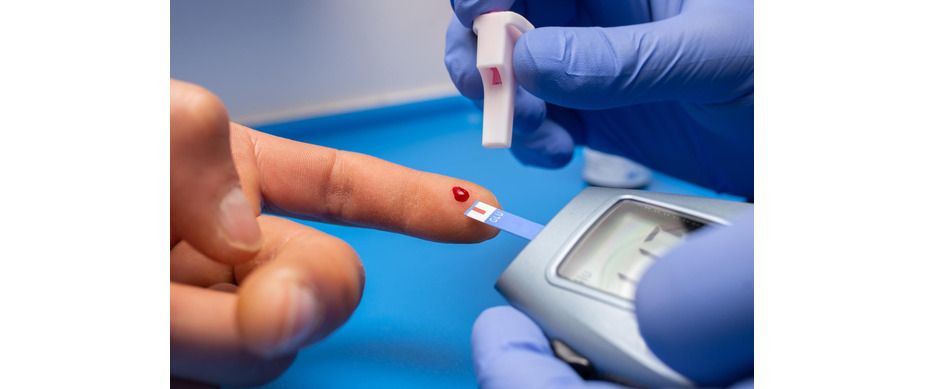
You eat a regular meal and nothing fancy or high-carb on purpose. Then, two hours after you take the first bite, a blood sample is collected and that’s it.
You don’t need to fast before this test. Just eat like you normally do. What matters is the exact timing. Delaying the test or doing it too soon can mess with the result.
PPBS Test vs. Fasting Blood Sugar Test
| Parameter | Fasting Blood Sugar (FBS) | PPBS (Postprandial Blood Sugar) |
| Timing | After 8–10 hours of fasting | 2 hours after a meal |
| Purpose | Checks baseline glucose levels | Assesses how the body handles glucose after food |
| Normal Range | <100 mg/dL | <140 mg/dL |
| Detects | Insulin secretion baseline | Insulin response efficiency |
Why is the PPBS Test Important?
Helps in Diabetes Management
The PPBS test shows how much your blood sugar rises after meals. It helps check whether your insulin or diabetes meds are working well, especially if your sugar seems normal when fasting but increases after eating.
Doctors use PPBS results to decide if you need dose changes or if your eating habits need tweaking. It also helps in adjusting insulin timing.
Helps in Identifying Blood Sugar Spikes
Big sugar spikes after meals can make you feel tired, dizzy, or sluggish. Over time, they can damage your nerves and blood vessels.
The test helps catch these spikes. If your PPBS levels are on the higher side constantly, it's a sign that your body isn't handling sugar well, even if your fasting sugar is okay.
Indicates Insulin Resistance
If your PPBS test shows high numbers, it might mean your cells aren't responding well to insulin; this is called insulin resistance. It’s common in the early stages of type 2 diabetes. If you spot it early, you can usually bring it under control with food, exercise and sometimes medicine.
When Should You Get a PPBS Test?
Recommended Testing Frequency
If you already have diabetes, your doctor may ask you to test your PPBS a few times a week or even daily, especially if your sugar has been hard to manage.
If you’re not diabetic but are overweight, have a family history, or feel unusually sleepy after meals, a one-time PPBS test can help catch problems early.
Ideal Timing After Meals
Timing is everything. You should take the test exactly two hours after your meal.
That’s when sugar usually peaks. Testing at the wrong time can show false results. Set a timer if needed.
What Does a Normal PPBS Level Look Like?
Normal Range for Healthy Individuals
For people without diabetes, a PPBS level under 140 mg/dL is considered normal. If it’s above this occasionally, that’s not always a big deal, but it’s something to keep an eye on.
PPBS Levels in Diabetics
If you have diabetes, doctors generally want your post-meal sugar to stay under 180 mg/dL. If it regularly goes above that, it’s time to rethink your meals or medicine.
These numbers help doctors decide what needs to change. Sometimes it’s as simple as adjusting portion size or swapping out one ingredient.
| RBS Level | 2-Hour Post-Meal Level (mg/dL) | 2-Hour Post-Meal Level (mmol/L) | Interpretation |
| Normal Range | Less than 140 | Less than 7.8 | Normal blood sugar response. |
| Prediabetes | 140 – 199 | 7.8 to 11.0 | Indicates prediabetes |
| Diabetes | 200 or above | 11.1 or higher | Suggests diabetes mellitus |
How to Interpret PPBS Test Results?
Understanding High PPBS Levels
If your PPBS test comes back high, don’t panic. It could be due to reasons like a carb-heavy meal or skipping your medication. Stress and lack of sleep can also push your sugar up.
Consistently high numbers need action. Your doctor will look at the trend, not just one reading.
Managing Low PPBS Levels
Low PPBS levels can also be a problem, especially if you’re on insulin or sugar-lowering meds. You might feel dizzy, sweaty, shaky, or confused. These are signs of hypoglycaemia.
If your level drops below 70 mg/dL, have a small snack like fruit juice or glucose tablets and then talk to your doctor. You may need a dose adjustment.
The Role of PPBS in Preventing Complications
Preventing Long-Term Diabetes Complications
If your blood sugar keeps spiking after meals and you don’t catch it early, it can slowly affect other parts of your body. High post-meal sugar over time can lead to issues like nerve damage, eye problems, or kidney trouble. These complications build up quietly. You may not feel anything until it becomes serious.
That’s why monitoring PPBS is useful. It lets you spot small problems before they become big ones. You don’t need to test after every meal forever, but checking regularly gives your doctor a better view of what’s going on.
Your doctor can also use your PPBS results to change your medication or suggest a new routine. Not everyone responds the same way, so the test helps personalise your plan.
Conclusion
A simple blood test called the PPBS test can tell you a lot about how your body processes food. This helps you stay in charge and make better decisions about what to eat, take, and exercise if you already have diabetes or are at risk for getting it change in treatment.
Monitoring your sugar after meals isn’t about chasing perfect numbers. It’s about watching patterns, avoiding surprises, and staying ahead of any complications.
We provide full diabetes care at BLK-Max Super Speciality Hospital, from tests and diagnosis to personalised care and follow-up. We can set up a PPBS test for you if you're not sure how well you're controlling your sugar or if you've never checked your levels after a meal. We’ll help you understand the results and plan your next steps, clearly and simply.
Frequently Asked Questions
1. What is the difference between Fasting Blood Sugar and PPBS?
Fasting blood sugar is measured after not eating for 8-10 hours. PPBS is done two hours after eating. Both help track blood sugar control in different ways.
2. Can I perform the PPBS test at home?
Yes. If you have a glucometer, you can test at home. Just eat a normal meal, and check your blood sugar exactly two hours after you start eating.
3. How often should someone with diabetes check their PPBS levels?
Depends on your treatment plan. Some people test daily. Others may do it a few times a week or when adjusting their food or medication. Always follow your doctor’s advice.
Such multiple norms of the moment need to be more functioning.

Written and Verified by:

Related Blogs


Blogs by Doctor


Most read Blogs


Related Blogs
Blogs by Doctor
Most read Blogs
