 +91 954 002 5025 (24/7)


To Book an Appointment
Call Us+91 954 002 5025To Book an Appointment
Call Us+91 954 002 5025Hypoglycaemia: Overview, Causes, Symptoms, and Management
By Dr. Ajay Kumar Ajmani in Centre For Diabetes, Thyroid, Obesity & Endocrinology
Jan 24 , 2025 | 5 min read

Hypoglycaemia, commonly known as low blood sugar, happens when glucose levels in the blood drop below the normal range. Glucose is what fuels your body and keeps your brain functioning. When levels dip too low, your body struggles to work properly. For people with diabetes, it’s a common issue linked to medication or diet. But even those without diabetes can experience it under certain conditions. Hypoglycaemia can range from mild to severe, and knowing what it looks like and how to handle it is crucial.
Causes of Hypoglycaemia
There are many causes of hypoglycaemia, most of which are lifestyle or health-related. The most common cause for those with diabetes is an incorrect dose of medication, usually insulin or sulfonylureas. These medications work well at lowering blood sugar levels but can sometimes lower them too low.
Excessive alcohol consumption can also trigger hypoglycaemia, especially when alcohol is consumed on an empty stomach. Alcohol inhibits the liver's ability to release stored glucose, making it harder for the body to maintain stable sugar levels. Similarly, prolonged fasting, skipping meals, or engaging in intense physical activity without adequate food intake can deplete glucose stores, leading to symptoms of low blood sugar.
Rare medical conditions like insulinoma (a tumour in the pancreas), liver disease, or disorders affecting metabolism can also cause hypoglycaemia. While these are less common, they highlight the importance of identifying and addressing underlying health issues.
Symptoms of Hypoglycaemia
Recognising the symptoms of hypoglycaemia is key to preventing complications. Symptoms are typically categorised as early, moderate, or severe, based on their intensity and impact.
Early Symptoms
Mild symptoms of hypoglycaemia often include shakiness, sweating, dizziness, and sudden hunger. These warning signs signal the body’s initial response to low blood sugar and should be acted upon promptly to prevent escalation.
Moderate Symptoms
If untreated, symptoms may progress to moderate levels, characterised by headache, irritability, confusion, and blurred vision. These symptoms can affect daily activities and cognitive functions, requiring immediate intervention.
Severe Symptoms
In extreme cases, hypoglycaemia can lead to severe outcomes such as loss of consciousness, seizures, or even a coma. These require emergency medical attention to avoid life-threatening consequences. Understanding these symptom stages helps individuals manage their condition proactively.
Risk Factors of Hypoglycaemia
Some people are more prone to hypoglycaemia than others. If you’re managing diabetes, especially with insulin, you’re already at a higher risk. Age can play a role too—older adults may be more vulnerable due to slower metabolism or less consistent eating habits.
Nutritional deficiencies, such as a lack of complex carbohydrates, can also increase risk, as these foods help maintain steady glucose levels. Additionally, highly active lifestyles or intense exercise routines, without adequate dietary compensation, can result in hypoglycaemia. Recognising these risk factors is essential for prevention and effective management.
Diagnosis of Hypoglycaemia
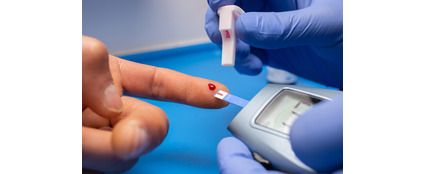
Diagnosing hypoglycaemia typically involves a combination of blood tests, medical history, and symptom assessment. Blood glucose testing during a symptomatic episode provides immediate confirmation of low sugar levels. Readings below 70 mg/dL are generally considered hypoglycaemic.
Medical history and symptom evaluation are crucial in understanding the root cause. If there are recurring episodes, doctors may perform additional tests, such as a glucose tolerance test or insulin level measurement, to identify underlying conditions. Laboratory testing can further rule out metabolic disorders or rare causes like pancreatic tumours.
Hypoglycaemia Treatment and Management
Addressing hypoglycaemia requires both immediate action and long-term management strategies.
Immediate Treatment
Fast-acting carbohydrates like glucose tablets, fruit juice, or a spoonful of sugar are the first line of defence. These quickly raise blood sugar levels, alleviating symptoms within minutes.
Long-Term Management
For individuals with recurrent hypoglycaemia, monitoring blood sugar levels is vital. Maintaining a balanced diet that includes regular meals with complex carbohydrates, proteins, and healthy fats can stabilise glucose levels. Medication adjustments, as prescribed by a doctor, are equally important to avoid overcorrection.
Emergency Interventions
In severe cases, where oral treatment isn’t possible, intravenous glucose or glucagon injections may be administered by healthcare professionals. These emergency measures are lifesaving and highlight the importance of swift medical attention in critical situations.
Hypoglycaemia Prevention Tips
Preventing hypoglycaemia often involves simple but effective lifestyle changes. Regular meal timings help maintain consistent blood sugar levels. Including balanced meals with a mix of macronutrients supports prolonged glucose availability.
Monitoring blood sugar levels is particularly crucial for those with diabetes. This helps in identifying patterns and making informed adjustments to medications or dietary habits. Managing alcohol consumption, especially when paired with food, reduces the risk of alcohol-induced hypoglycaemia. These prevention tips ensure that glucose levels remain stable, promoting overall well-being.
When to Seek Medical Attention
While mild hypoglycaemia can often be managed at home, certain situations require professional care. Persistent or severe symptoms, such as fainting or seizures, demand immediate medical attention. Episodes of hypoglycaemia unawareness, where symptoms don’t present despite low glucose levels, are particularly concerning and warrant consultation with a healthcare provider.
Recurrent episodes that disrupt daily life or affect the overall quality of life should also be addressed with a specialist. Early intervention can help prevent complications and improve long-term outcomes.
Learn more about - Sugar: The Sweet But Silent Killer and PPBS Test: Why Monitoring Blood Sugar After Meals Matters
Conclusion
Managing hypoglycaemia effectively is about recognising the symptoms early, understanding the causes, and adopting preventive measures. At BLK-Max Super Speciality Hospital, our team of specialists is dedicated to providing personalised care for individuals managing low blood sugar levels. Whether you’re seeking guidance on diagnosis, treatment, or prevention, we’re here to help you stay healthy and safe. Reach out to us for expert advice and comprehensive care.
Frequently Asked Questions About Hypoglycaemia
1. What is the most common cause of hypoglycaemia in diabetes?
The most common cause is the incorrect dosage of diabetes medications, particularly insulin or sulfonylureas, combined with irregular meal patterns.
2. Can hypoglycaemia happen to non-diabetics?
Yes, it can occur in non-diabetics due to excessive alcohol consumption, prolonged fasting, intense physical activity, or underlying medical conditions.
3. How quickly should hypoglycaemia be treated?
Hypoglycaemia should be treated as soon as symptoms appear. Anything that can help raise blood sugar levels quickly should be consumed.
4. Is type 2 diabetes hypo or hyper?
Type 2 diabetes is primarily associated with hyperglycaemia (high blood sugar), but hypoglycaemia can also occur due to certain medications or treatment regimens.
5. Who specialises in hypoglycaemia?
Endocrinologists are specialists in managing conditions like hypoglycaemia. They focus on hormonal imbalances and metabolic disorders affecting glucose levels.

Written and Verified by:

Related Blogs


Blogs by Doctor


Most read Blogs


Related Blogs
Blogs by Doctor
Most read Blogs
