 +91 954 002 5025 (24/7)


To Book an Appointment
Call Us+91 954 002 5025To Book an Appointment
Call Us+91 954 002 5025RSV (Respiratory Syncytial Virus) Season: What Parents Should Watch For?
By Dr. Sandeep Nayar in Centre For Chest & Respiratory Diseases
May 12 , 2025 | 5 min read

RSV (Respiratory Syncytial Virus) is a common infection that hits hardest during colder months. It’s highly contagious and mainly affects young children, especially infants and toddlers. If you’re a parent, it’s important to know how RSV works, what symptoms to look out for, and how to prevent it.
This article will focus on what RSV is, why it’s seasonal, and the steps you can take to keep your child safe. It will also equip you with the right knowledge to handle the RSV season confidently.
What is RSV (Respiratory Syncytial Virus) and Why is it Seasonal?
RSV is a virus that infects the respiratory system, mainly the lungs and airways. It spreads easily through coughs, sneezes, or touching contaminated surfaces. Kids under two are the most vulnerable, especially those born prematurely or with health conditions like asthma or heart problems. For most children, it feels like a bad cold. But for some, it can turn severe quickly, leading to breathing trouble.
RSV is highly seasonal, with peak activity typically occurring during colder months. In India, cases generally rise between October and February, aligning with cooler and drier weather. The seasonal spike is linked to the virus's ability to survive longer on surfaces in lower temperatures, as well as increased indoor gatherings during these months, which facilitate its spread.
Read more about - The Role of Inhalers in Asthma Management.
Key Symptoms of RSV to Watch For
Early Signs in Children
RSV starts out looking like a regular cold. Watch for symptoms like:
- Runny nose
- Mild cough
- Sneezing
- Fever
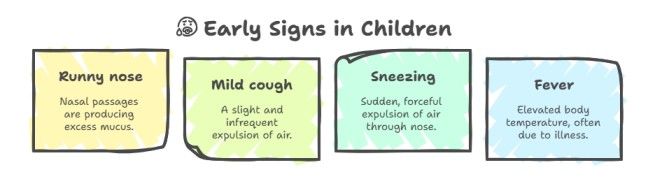
Your child might also seem fussier than usual or eat less. These are signs to keep an eye on but not panic over.
Severe Symptoms Requiring Immediate Attention
Things get more serious if your child:
- Struggles to breathe
- Has wheezing sounds while breathing
- Shows bluish lips or nails (a sign of low oxygen)
- Seems very tired or dehydrated (dry mouth, fewer wet nappies)
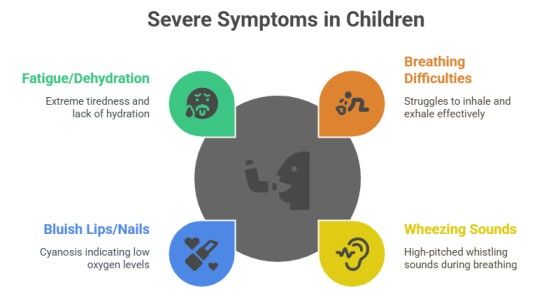
These symptoms mean it’s time to see a doctor right away.
How RSV is Diagnosed and Treated?
Let’s look at the diagnostic and treatment methods for RSV.
Diagnostic Methods
Here are the methods used to diagnose RSV.
- Clinical evaluation: Doctors will assess symptoms such as wheezing, fever, and respiratory rate.
- Nasal swab test: This is a quick and accurate method to detect the RSV virus.
- Chest X-rays: In severe cases, imaging may be required to rule out pneumonia or other complications.
Read more about - 5 Symptoms of Pneumonia and Typhoid Fever Symptoms, Causes & Stages.
Treatment Options
There’s no magic cure for RSV, but most kids recover with supportive care. This includes:
- Keeping them hydrated with small, frequent sips of water or oral rehydration solutions.
- Using a humidifier to make breathing easier.
- Giving them plenty of rest.
For severe cases, hospital treatment might be necessary. This could include oxygen therapy or even a ventilator for very severe breathing issues.
Preventing RSV During Peak Season
Prevention is the best way to protect children during the RSV season. Simple practical prevention tips for parents include:
- Hand hygiene: Encourage frequent hand washing with soap and water for at least 20 seconds.
- Surface cleaning: Disinfect frequently touched surfaces like toys, doorknobs, and mobile phones regularly.
- Avoiding crowded places: Limit your child’s exposure to public gatherings during peak season.
- Keeping sick children at home: This reduces the spread of infection to others, especially in daycare or school settings.
Vaccines and Monoclonal Antibodies
There’s no general vaccine for RSV yet, but high-risk children might benefit from monoclonal antibodies like Palivizumab. It’s a preventive injection given monthly during RSV season, especially for premature babies or those with chronic health conditions.
Related Concerns for Parents During RSV Season
High-Risk Infants
The risk is much higher for premature babies and children with underlying medical conditions like congenital heart defects or chronic lung disease. It is harder for them to fight off the virus due to their developing immune systems, leading to complications such as bronchiolitis or pneumonia.
Learn more about - Warning Signs of Lung Disease and Manage Bronchiolitis in Children.
Managing Anxiety About RSV
Worrying about RSV is normal, but staying informed helps ease that anxiety. Focus on what’s in your control—hygiene, early symptom spotting, and knowing when to seek help from doctors. Avoid overloading yourself with information that makes you more stressed than prepared.
When to Call a Doctor for RSV Symptoms
Don’t wait to seek medical advice if your child:
- Has a fever that won't come down with medication
- Breathes rapidly or uses extra muscles to breathe (you'll see their ribs pulling in)
- Isn’t drinking enough fluids or looks dehydrated
These signs indicate that medical care is necessary. If you experience severe symptoms, it is crucial to seek immediate attention from a specialist at BLK Max Super Speciality Hospital to ensure timely and proper treatment.
Frequently Asked Questions
1. What age group is most affected by RSV?
Infants and toddlers under two years of age are most commonly affected by RSV. Those who are born prematurely and children with pre-existing health conditions are at a higher risk.
2. How long does RSV typically last in children?
RSV usually lasts one to two weeks. Mild cases may resolve faster, but severe infections could take longer to recover from, especially in vulnerable children.
3. What can parents do to prevent RSV infections at home?
Parents can minimise the risk by proper hygiene, frequent cleaning of contact surfaces, and avoiding crowded places during the RSV season.
4. Are there vaccines available for RSV?
So far, there is no universal RSV vaccine; however, certain monoclonal antibodies are available, such as Palivizumab, for high-risk infants.
5. How is RSV different from a common cold?
Though RSV and the common cold may present with symptoms such as a runny nose and cough, RSV can lead to severe breathing problems in young children and other high-risk groups.
Know more about - Effective Home Remedies for Cough & Dry Cough and What is Whooping Cough?.
6. When should I take my child to the ER for RSV?
You can bring your child to the ER at BLK Max Super Speciality Hospital immediately if they have any of the following:
- Difficulty breathing
- Blue lips or nails (cyanosis)
- Severe dehydration
Know more about - Understanding Breathing Difficulty: Common Symptoms and Causes.
7. How is RSV treated?
RSV treatment is mainly supportive, involving rest, hydration, and symptom management. Severe cases which include a mix of all the symptoms or aggravated versions of one may require hospitalisation for oxygen therapy or mechanical ventilation.

Written and Verified by:

Related Blogs


Medical Expert Team
May 13 , 2019 | 5 min read

Blogs by Doctor

Tuberculosis of Lymph Nodes: Is It Curable?
Dr. Sandeep Nayar In Centre For Chest & Respiratory Diseases
Mar 30 , 2022 | 1 min read

Most read Blogs


Related Blogs
Medical Expert Team
May 13 , 2019 | 5 min read
Blogs by Doctor
Tuberculosis of Lymph Nodes: Is It Curable?
Dr. Sandeep Nayar In Centre For Chest & Respiratory Diseases
Mar 30 , 2022 | 1 min read
Most read Blogs
