 +91 954 002 5025 (24/7)

To Book an Appointment
Call Us+91 954 002 5025To Book an Appointment
Call Us+91 954 002 5025Top 5 Symptoms of Pneumonia You Should Not Ignore
By Dr. Sandeep Nayar in Centre For Chest & Respiratory Diseases
Mar 19 , 2025 | 5 min read

Pneumonia symptoms often look like a regular cold or flu, so many people ignore them until things worsen. The sooner you spot the signs, the better your chances of getting the right treatment.
In this article, let’s explore everything from what pneumonia is, its types to when you should take the symptoms seriously. Knowing all these can help you act fast before it becomes a bigger problem.
What is Pneumonia?
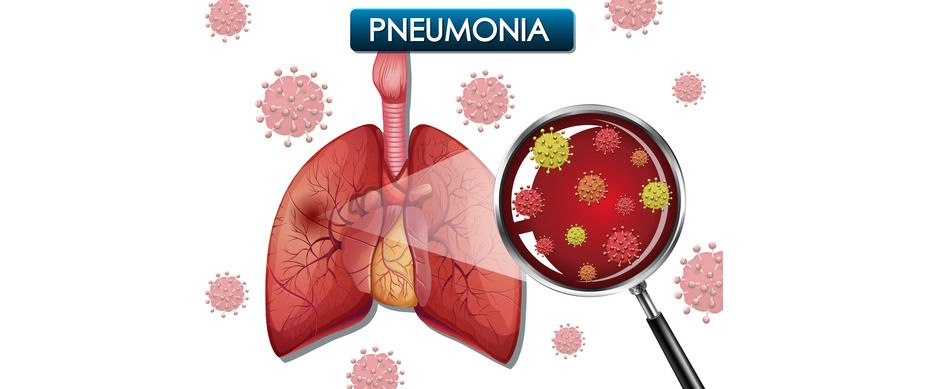
Pneumonia is an infection caused in the lungs, which fills up the air sacs with inflammation, fluid or pus, making breathing challenging or getting enough oxygen. Bacteria, viruses, or fungi are the causes of pneumonia.
Types of Pneumonia
Not all pneumonia is the same. Some of the types are:
1. Bacterial Pneumonia
Caused by bacteria like Streptococcus pneumoniae. Usually more serious and needs antibiotics.
2. Viral Pneumonia
Caused by viruses like influenza or COVID-19. Generally milder, but can still make breathing tough.
Know more about - COVID-19 in India 2025
3. Fungal Pneumonia
Common in people with weak immune systems, like those with chronic illnesses.
Understanding the types of pneumonia can help determine the best treatment plan.
Learn how Exploring Influenza & Respiratory Complications in Children can help you recognize early signs and protect your child’s health effectively.
Top 5 Symptoms of Pneumonia You Should Not Ignore
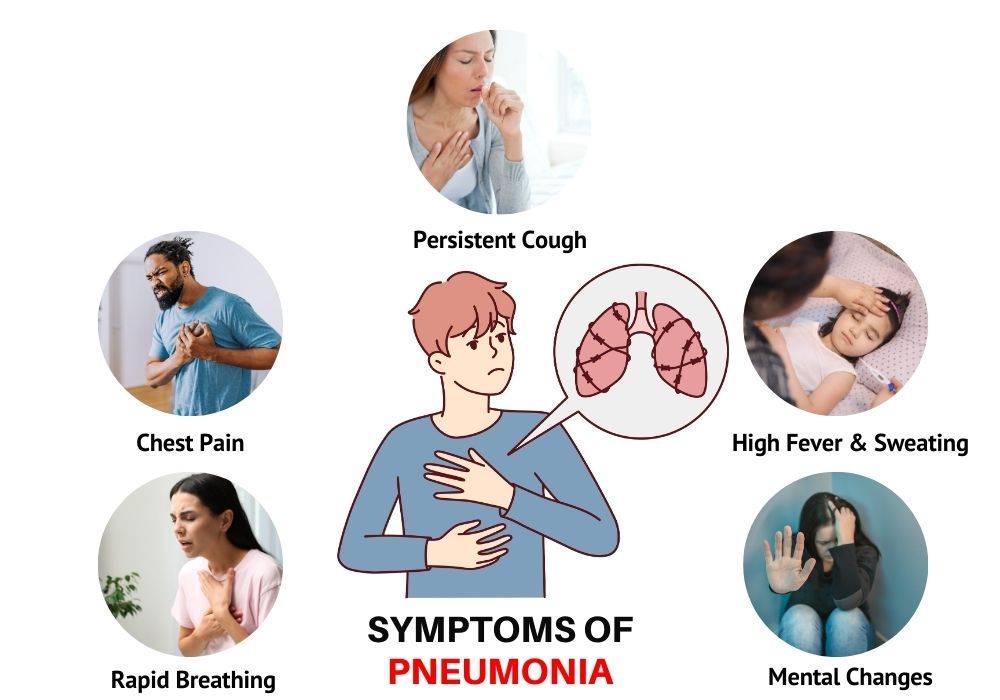
1. Persistent Cough
Coughing is common with colds, but a pneumonia cough is different. It doesn’t go away after a few days and gets progressively worse. It usually produces thick mucus, which can be yellow, green, or even blood-tinged.
Unlike a normal cough, this one sticks around for weeks. It might also get worse at night, making it hard to sleep. If your cough feels deeper and heavier than usual, it’s worth getting checked.
Learn more about - Cough Causes, Symptoms & Treatments
2. Shortness of Breath or Rapid Breathing
Breathing should be easy. If you start feeling shortness of breath doing simple things, like walking a short distance or climbing stairs; it could be a sign of pneumonia.
Pneumonia reduces oxygen flow, making it harder for your body to function properly. Some people breathe faster than usual to compensate. If you feel like you can’t take a full breath or you’re constantly gasping for air, see a pulmonologist doctor.
Read more about - How Pulmonologists Help Manage Asthma, COPD and Other Lung Diseases.
3. Chest Pain or Tightness
Chest pain with pneumonia isn’t random. It’s often sharp and gets worse when you cough or take deep breaths. It might feel like pressure on your chest, making breathing uncomfortable.
Some people mistake this for heart-related pain, but pneumonia-related chest discomfort is due to lung inflammation. If your chest hurts while breathing, don’t ignore it.
Understanding Chest Pain Reasons & Prevention is crucial, but knowing the right Chest Pain Treatment can make all the difference—explore expert insights in this guide.
4. High Fever and Sweating
Fever is your body’s way of fighting an infection. With pneumonia, the fever can go above 101°F (38.5°C) and cause chills, sweating, and extreme fatigue.
A high fever that doesn’t come down with medication is a sign the infection is spreading. If you feel weak, dehydrated, or notice persistent shivering, it’s time to seek help.
5. Confusion or Mental Changes
Pneumonia doesn't just affect the lungs; sometimes it can even mess up your brain functioning. This happens especially in the elderly. Sometimes they get confused, disorientated, or forgetful when they were never memory-compromised even before.
This is because pneumonia may lower oxygen levels in the body, which may impair the working of the brain. If someone suddenly appears to be drowsy or confused, do not attribute it to being tired. It could be a serious sign that needs urgent care.
When to Seek Medical Help for Pneumonia
Pneumonia can worsen fast, so don’t wait too long. Get checked if you notice:
- Severe difficulty breathing or feeling like you’re not getting enough air.
- A high fever that won’t break, even with medication.
- Bluish lips or fingertips, which can mean oxygen levels are dangerously low.
- Confusion or sudden mental fog, especially in older adults.
- Feeling extremely weak, to the point of struggling to stand or move.
Ignoring these warning signs could lead to complications like lung failure or hospitalisation. Early treatment makes recovery easier and prevents long-term damage.
Conclusion
Pneumonia is serious, but it’s treatable. The key is catching it early. If you have a persistent cough, difficulty breathing, chest pain, or fever – don’t ignore it.
At BLK-Max Super Speciality Hospital, we have an advanced diagnosis process and treatment options to help you recover faster. If you or someone in your family is showing symptoms, book an appointment with us today. Getting the right care at the right time can make all the difference.
Frequently Asked Questions
1. How do I know if my cough is a sign of pneumonia?
A cough lasting over a week, which produces mucus and is accompanied by fever or shortness of breath, might be pneumonia.
Explore the experts guide about - Tips for Avoiding Colds and Understanding Breathing Difficulty: Common Symptoms and Causes.
2. Is shortness of breath always a sign of pneumonia?
Not always. But if you feel out of breath even while resting, it’s best to get checked. Pneumonia affects oxygen levels, making breathing harder.
3. What is the best treatment for pneumonia?
It depends on the cause. Bacterial pneumonia needs antibiotics, while viral pneumonia is managed with rest, fluids, and fever control. Severe cases may require hospitalisation.
4. Which doctor will treat pneumonia?
A pulmonologist or a general physician can diagnose and treat pneumonia.
5. What are the ways to prevent pneumonia?
- Get vaccinated for flu and pneumococcal infections.
- Quit smoking to enhance lung health.
- Wash hands frequently to prevent infections.
- Avoid polluted environments as much as possible.
6. Can pneumonia cause chest pain and tightness?
Yes, pneumonia causes inflammation of the lungs, which causes chest pain—especially when coughing or taking deep breaths.
Learn all about COPD: Causes, Symptoms, Treatment & Prevention to manage the condition effectively and improve your respiratory health.
7. How is pneumonia diagnosed?
Doctors use chest X-rays, blood tests, and sputum analysis to confirm pneumonia.
8. Who is at risk of pneumonia?
For those who have compromised immunity, people who smoke, elders, infants, and people with chronic lung diseases are more susceptible.
Recognizing the Warning Signs of Lung Disease early can help with timely intervention—learn more in this detailed guide.

Written and Verified by:

Related Blogs


Medical Expert Team
May 13 , 2019 | 5 min read

Blogs by Doctor

Tuberculosis of Lymph Nodes: Is It Curable?
Dr. Sandeep Nayar In Centre For Chest & Respiratory Diseases
Mar 30 , 2022 | 1 min read

Most read Blogs


Related Blogs
Medical Expert Team
May 13 , 2019 | 5 min read
Blogs by Doctor
Tuberculosis of Lymph Nodes: Is It Curable?
Dr. Sandeep Nayar In Centre For Chest & Respiratory Diseases
Mar 30 , 2022 | 1 min read
Most read Blogs
