 +91 954 002 5025 (24/7)

To Book an Appointment
Call Us+91 954 002 5025To Book an Appointment
Call Us+91 954 002 5025Hemoptysis (Coughing Up Blood): Causes, Symptoms, and Treatment Options
By Dr. Sandeep Nayar in Centre For Chest & Respiratory Diseases
Apr 07 , 2025 | 6 min read
1

Hemoptysis is coughing up blood in streaks within mucus or in large quantities. Alarming and possibly indicative of a serious illness, it necessitates an early understanding of this symptom to facilitate appropriate treatment and, hence, prevent complications. Whether resulting from infections, chronic conditions, or something potentially worse, detection and treatment in its early stage are critical and could mean all the difference for an outcome.
Causes of Hemoptysis
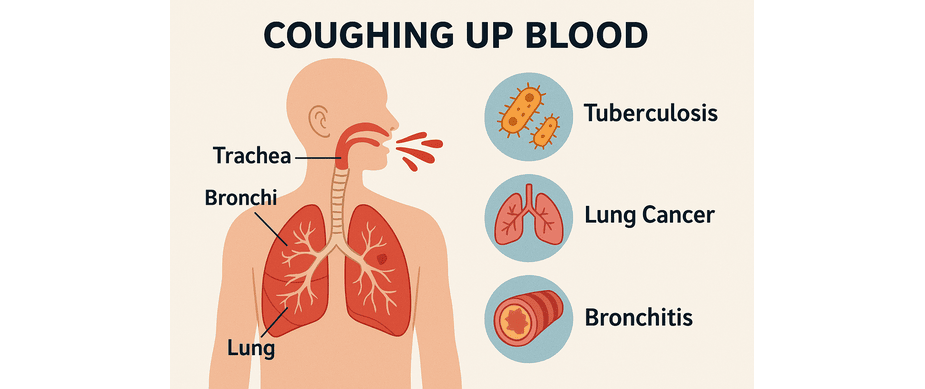
Hemoptysis occurs due to various conditions affecting the lungs and surrounding structures. Identifying the root cause is crucial for proper management. Some of the common causes include -
1. Infections
Tuberculosis (TB) and pneumonia are some of the common causes. Infections cause inflammation in lung tissue, which may damage blood vessels, leading to blood in the cough. Tuberculosis is still a major problem in India, especially in neglected areas.
Read more about - Top 5 Symptoms of Pneumonia & Tuberculosis of Lymph Nodes: Is It Curable?
2. Lung Cancer
The tumours in the lungs can break through the walls of nearby blood vessels which will cause bleeding. Symptoms of cancer such as weight loss, persistent cough and shortness of breath are also common with hemoptysis.
Learn more about - Lung Cancer Causes & Lung Cancer Symptoms
3. Chronic Bronchitis
Bronchitis is a kind of Chronic Obstructive Pulmonary Disease (COPD), which leads to chronic inflammation and micro tears of the airway surface, thus causing streaked sputum with blood.
4. Pulmonary Embolism
Pulmonary Embolism is a very serious condition which takes place when a clot develops in the blood stream and gets lodged in a lung artery thereby leading to chest pain and haemoptysis.
5. Autoimmune Diseases
Other diseases that can also cause blood in the cough include vasculitis which is an inflammation of the blood vessels. These cases are not very frequent and need a specific approach.
Symptoms of Hemoptysis
Symptoms of hemoptysis vary with the underlying cause but typically include visible blood in sputum.
The blood can be streaky, clot-like, or even in significant quantities. Its colour varies from bright red to rusty brown, depending on the cause. Hemoptysis may also present with chest pain, shortness of breath, fever, and weight loss, especially in cases of infections or cancer.
In mild cases, light streaks of blood may be visible, whereas heavy hemoptysis may include large amounts of blood and require urgent medical care.
Explore the guide of type of cancer and chest pain reasons & prevention.
Risk Factors for Hemoptysis
There are certain factors which increase the risk of hemoptysis. Knowing these will help the people to take necessary precautions.
Smoking
It causes damage to the lungs thus making the person more prone to chronic bronchitis, emphysema, and lung cancer all of which are associated with hemoptysis.
Chronic Respiratory Diseases
These include COPD and asthma which worsen the inflammation of the lungs thereby increasing the chances of bleeding in the airways.
Learn more about - Asthma Causes & Asthma Types, Symptoms, and Natural Remedies.
Underlying Heart Conditions
Conditions such as pulmonary embolism or heart failure can lead to hemoptysis indirectly by affecting blood flow and lung pressure.
Read more about - Heart Failure Symptoms in Women vs. Men.
Other Risk Factors
Other factors that may raise the risk include; increased age, history of respiratory or autoimmune diseases in the family and exposure to substances that are hazardous to health such as asbestos.
Diagnosis of Hemoptysis
The treatment of hemoptysis needs to have an early diagnosis. To determine the cause, doctors perform several tests and use different tools. The first phase, analogous to other diseases, is to know a patient’s signs and symptoms as well as his or her behaviours (e. g. smoking history). This is the first step for the attending physician to work on. It can also be coupled with listening to the lungs to identify other problems such as fluid accumulation or infection.
Diagnostic Tests include -
1. Chest X-ray
It is commonly used as one of the initial investigations and can depict changes in the lungs, such as infections or neoplasms.
2. CT Scan
A better form of imaging which gives a better view of the lung structures which helps in detecting small tumors or clots.
3. Bronchoscopy
This entails putting a thin tube with a camera at the end into the airways to examine and take samples of tissues if need be.
4. Sputum Test
Microscopic analysis of the matter expectorated can help in establishing the causative organism like tuberculosis or any other pathogens.
Treatment for Hemoptysis
Treatment for hemoptysis depends on its cause and severity. Approaches can range from simple remedies to more intensive interventions.
- Rest and adequate hydration are the first steps for mild cases. Warm fluids and cough suppressants can also ease symptoms.
- Antibiotics effectively manage bacterial infections like pneumonia or tuberculosis. If cancer is the cause, chemotherapy or radiotherapy can target tumours causing hemoptysis. Anticoagulants may be prescribed for pulmonary embolism, although their use requires careful monitoring.
- Surgical Treatments include Bronchial Artery Embolisation or lung resection surgeries. This minimally invasive procedure stops bleeding by blocking problematic blood vessels. For severe cases or large tumours, lung resection surgery may be necessary.
Prevention of Hemoptysis
While not all cases of hemoptysis are preventable, certain habits can reduce the risk significantly. These include -
- Avoid Smoking: Quitting smoking reduces the risk of lung diseases like chronic bronchitis and cancer.
Know more about - Cancer Treatment Hospital in Delhi, India.
- Vaccination: Staying up-to-date on vaccinations like the BCG (for tuberculosis) can prevent infections.
- Manage Chronic Respiratory Conditions: Regular monitoring and proper medication for conditions like asthma and COPD can prevent complications leading to hemoptysis.
Read more about - The Role of Inhalers in Asthma Management.
Complications of Hemoptysis
Untreated or severe hemoptysis can lead to serious complications. Hence, early detection and speedy prognosis are very important in determining the success rate. Some of the common complications of this condition include the following -
- Hemorrhagic Shock: Losing significant amounts of blood through the lungs can result in life-threatening shock, requiring immediate medical intervention.
- Respiratory Failure: Severe bleeding can block airways, making it hard to breathe.
- Impact on Daily Life: Recurrent episodes of hemoptysis can cause anxiety, disrupt daily routines, and affect mental health, especially if the underlying cause is chronic.
Conclusion
Hemoptysis, though alarming, is often manageable with timely medical care. Early diagnosis and treatment can prevent complications and improve outcomes. Whether caused by an infection, chronic disease, or a more serious condition, recognising symptoms early is key to effective care.
At BLK-Max Super Speciality Hospital, we have a team of specialists offering personalised care and advanced diagnostic tools to address hemoptysis and its underlying causes. If you’re experiencing symptoms, reach out to us for expert advice and comprehensive treatment plans.
Frequently Asked Questions
1. What should I do if I cough up blood?
Stay calm and contact a doctor immediately, especially if it’s more than a small amount or happens repeatedly.
2. Is hemoptysis always a sign of a serious condition?
It can result from mild issues like respiratory infections, but it may also indicate severe underlying conditions. Consult a doctor for an accurate diagnosis.
3. Can hemoptysis be prevented?
While not all cases of hemoptysis can be prevented, reducing risk factors like smoking, managing chronic respiratory diseases, and seeking timely treatment for infections can help lower the chances.
4. How is hemoptysis treated?
Treatment depends on the underlying cause and may include medications for infections, procedures to stop bleeding, or surgery in severe cases.
5. Who treats hemoptysis?
Hemoptysis is treated by pulmonologists, respiratory specialists, or general physicians.
Read more about - How Pulmonologists Help Manage Asthma, COPD and Other Lung Diseases.

Written and Verified by:

Related Blogs


Medical Expert Team
May 13 , 2019 | 5 min read

Blogs by Doctor

Tuberculosis of Lymph Nodes: Is It Curable?
Dr. Sandeep Nayar In Centre For Chest & Respiratory Diseases
Mar 30 , 2022 | 1 min read

Most read Blogs


Related Blogs
Medical Expert Team
May 13 , 2019 | 5 min read
Blogs by Doctor
Tuberculosis of Lymph Nodes: Is It Curable?
Dr. Sandeep Nayar In Centre For Chest & Respiratory Diseases
Mar 30 , 2022 | 1 min read
Most read Blogs
