Migraine
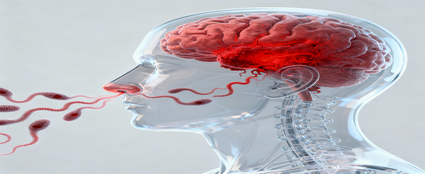
A migraine is a severe headache that causes a pulsing sensation or extreme throbbing pain on one side of the head. Migraine is a complex neurological disease accompanied by symptoms like vomiting, nausea, and acute sensitivity to sound and light. Migraine attacks are intense enough to interfere with your daily chores and can confine you to bed for days.
Associated Anatomy
The brain.
Types of Migraines
Migraine Without Aura (Common Migraine)
Migraine With Aura (Classic Migraine)
Other types of migraines
Chronic Migraine
Menstrual Migraine
Basilar Migraine
Vestibular Migraine
Abdominal Migraine
Retinal (Ocular) Migraine
Hemiplegic Migraine
Silent (Acephalgic) Migraine
Status Migrainosus
Migraine Headache Causes
Migraines seem to be related to genes and the brain, and their exact cause remains unknown. They can be genetically transferred.
Currently, studies are of the opinion that migraines start when your trigeminal nerve is triggered, and receives signals from overactive nerve cells. This causes sensations in the face, and head, and gives your body cues to release certain chemicals like calcitonin gene-related peptide (CGRP) and serotonin.
CGRP acts on the blood vessels on the lining of the brain to make them swell, and then, the neurotransmitters lead to pain and inflammation.
Migraine Headache Symptoms
Migraines can give you trouble for around four hours, and severe migraines can last much longer. As migraines attack in phases or stages, each phase has different signs and symptoms.
Common Symptoms of Migraine
Sensitivity to noise, light, and odors
Upset stomach
Abdominal pain
Loss of appetite
Nausea and vomiting
Feeling tired
Tender scalp
Feeling cold (chills) or warm (sweating)
Pale skin color
Blurred vision
Fever (rare)
Diarrhea (rare)
Prodrome Symptoms
Irritability
Depression
Problems concentrating
Difficulty reading and speaking
Difficulty sleeping
Fatigue
Nausea
Muscle stiffness
Sensitivity to sound and light
Food cravings
Increased urination
Aura Symptoms
Speech changes
Numbness and tingling
Weakness on either side of the body
Visual disturbances (one might see blurry spots, lines, or sparkles)
Headache Symptoms
Stiffness or neck pain
Giddiness
Anxiety
Insomnia
Nausea and vomiting
Sensitivity to smell, light, and sound
Nasal congestion
Postdrome Symptoms
Depression
Mood swings (euphoric mood)
Fatigue
Inability to concentrate
Lack of comprehension
Stages of Migraine
Migraines can typically progress through four stages or phases: prodrome, aura, attack, and post-drome. However, every person with migraines would not necessarily experience all the stages.
1. Prodrome (Pre-headache phase)
A day or two before a migraine attack you can notice subtle changes in your behavior (mood swings, food cravings) and health (constipation, fluid retention, increased urination) which indicates an upcoming migraine attack.
2. Aura (Warning phase)
Some people can visualize aura before or during migraines. This phase can include other disturbances (speech changes, numbness, and tingling) along with visualizing aura. The symptoms gradually build up within a few minutes of the start of migraines and can last up to an hour.
3. Headache (Attack phase)
A migraine attack or acute headache generally begins as a mild ache and develops into throbbing pain. If you indulge in any physical activity, the pain might get worse. Furthermore, the pain can begin in the forehead, travel from one side of the head to another, or affect your entire head. While a migraine headache lasts for about 3 to 4 hours, the severe ones can last over three days.
4. Postdrome (Recovery phase)
Post the attack phase, you might feel confused and drained. Sudden head movements can bring back a brief pain.
Migraine Headache Diagnosis
Migraines are diagnosed based on factors like family history, medical history, symptoms, and neurological examination. If your migraine doctor observes any unusual or complex headache patterns, a few tests including
Magnetic Resonance Imaging (MRI)
Computerized Tomography (CT) Scan
Scan may be recommended to rule out other illnesses. Both these tests will help doctors diagnose bleeding in the brain tumors, infections, strokes, and other brain and neurological conditions.
Migraine Headache Treatment
Migraines cannot be cured completely. Therefore the migraine treatment has two main aims
Stopping or reducing symptoms
Preventing future attacks
A few medications that are used to treat migraines include:
1. Pain Relievers Medicines
Over-the-Counter (OTC) Pain Relievers: A few prescription medications or over-the-counter painkillers include paracetamol (acetaminophen) and ibuprofen, aspirin or naproxen. Other migraine relief pills with the combination of aspirin, caffeine, and acetaminophen work well in mild migraine attacks.
Triptans: Prescription drugs such as rizatriptan (Maxalt-MLT, Maxalt) and sumatriptan (Tosymra, Imitrex) block the pain pathways to the brain and are used in the treatment of migraines. Administered in the form of shots, pills, and nasal sprays, they provide relief from the symptoms of migraines. However, these are not safe options for heart patients.
Dihydroergotamine (D.H.E. 45, Migranal): Administered as an injection or a nasal spray, this drug is effective when taken when migraine symptoms are experienced.
Lasmiditan (Reyvow): Lasmiditan is an oral pill that significantly improves headaches, but it can cause dizziness.
Intranasal zavegepant (Zavzpret).
Anti-nausea (Antiemetic) medicines: Metoclopramide, chlorpromazine, prochlorperazine (Compro), and metoclopramide (Reglan) can help combat migraine symptoms that are accompanied by vomiting and nausea. They are usually prescribed pain relievers.
Opioid and barbiturate medications: These medications are highly addictive and are allowed only when no other treatments are working for a migraine patient.
2. Preventive Medicines
Blood pressure-lowering medicines
Antidepressants
Antiseizure medicines
Botox injections
Atogepant (Qulipta)
Rimegepant (Nurtec ODT)
Calcitonin gene-related peptide (CGRP), monoclonal antagonists: Drugs from this class relieve migraine symptoms such as pain, nausea, and sensitivity to sound and light.
3. Neuromodulation devices
These devices act on the trigeminal nerve and the vagus nerve to provide relief from migraines.
4. Alternative Treatment Care
Alternative treatments like acupuncture, biofeedback therapy, cognitive behavioral therapy (CBT), magnesium or riboflavin supplements, meditation, yoga, or acupressure can be considered for relieving migraine symptoms.
Risk Factors Associated with Migraine
Factors that make you more prone to getting migraines are:
Family History: If any of your family members suffer from migraines, then your chances of developing it increase.
Age: Migraines can be experienced at any age, but in many cases, the first attack is experienced during adolescence. It peaks in the 30s and gradually subsides in the following decades.
Sex: Women are three times more prone to migraines than men.
Hormonal Changes: Migraine headaches among women can begin before or after the onset of their period cycles. The symptoms tend to change during pregnancy and improve after menopause.
Migraine Prevention
Since the exact cause of migraine attacks remain unknown, primary prevention is not possible. However, secondary preventive medication can reduce the intensity of migraines. A few options include:
Blood pressure-lowering medications
Antidepressants
Anti-seizure drugs
Botox injections
CGRP monoclonal antibodies
Possible Complications of Migraine
Medication overuse remains the biggest complication in case of migraines. Drugs like acetaminophen, aspirin, and the ones with caffeine combinations come with a great risk of overuse.
Epidemiology of Migraine Headache
Migraines affect children, teenagers, and adults. In adults, the peak of migraines is observed in the 30s and it gradually lessens in the following decades. Women are more prone (three times more than men) to migraines.
Expected Prognosis of Migraine Headache
Migraines affect different people in different ways, therefore its management also varies from person to person. The best outcomes can be achieved by following your doctors’ advice, managing symptoms, avoiding personal migraine triggers, practicing preventive methods, and reporting any vital changes in normal patterns as they occur.
Natural Progression of Migraine Headache
An untreated migraine can lead to health ailments like panic disorders, depression, and anxiety. It could also lead to sensory problems like photophobia and cardiovascular diseases such as stroke, hypertension, and coronary heart diseases.
Pathophysiology of Migraine Headache
A migraine is a primary sensory processing disturbance that involves neurovascular headaches. During the attack or neural events, the blood vessels are dilated which results in further nerve activation and pain aggravation.
Frequently Asked Questions
1. Is migraine a serious problem?
Yes, migraine can be a serious problem due to its debilitating symptoms and impact on daily life.
2. Is migraine a lifetime disease?
Migraine is a chronic condition, often lasting a lifetime, but its severity and frequency can vary.
3. Is migraine a mental illness?
Migraine is not a mental illness; it's a neurological disorder characterised by severe headaches and other symptoms.
4. How long does a migraine last?
Migraine duration varies, typically lasting a few hours to a couple of days.
5. Is a migraine painful?
Yes, migraine is known for causing intense and painful headaches, often accompanied by other distressing symptoms.
Related Blogs
Migraine headache: Symptoms, Home Remedies, and Treatment
Understanding Migraine Causes and Lifestyle Modifications for Prevention
How to Handle Migraines at Home?
Frequently Asked Questions about Migraine Headaches: Causes Diagnosis, and Treatments
Headache Types: What You Need to Know
Ways To Get Rid Of A Headache Quickly
Top Reasons You Have a Headache
Cluster Headaches - Causes, Symptoms and Treatment
Know More
 +91 954 002 5025 (24/7)