 +91 954 002 5025 (24/7)

To Book an Appointment
Call Us+91 954 002 5025To Book an Appointment
Call Us+91 954 002 5025Brain-Eating Amoeba (Naegleria Fowleri): Symptoms, Risks and Treatment
By Dr. Atul Prasad in Centre For Neurosciences
Sep 26 , 2025 | 5 min read

The brain-eating amoeba, scientifically known as Naegleria fowleri, is a free-living microorganism that naturally exists in warm freshwater sources, including lakes, rivers, and hot springs. While it rarely causes illness, when it enters the human body, it can lead to a condition called primary amebic meningoencephalitis (PAM).
Understanding how this infection occurs, its symptoms, treatment, and ways to prevent exposure is essential for awareness and timely medical care.
What is Brain-Eating Amoeba?
Naegleria fowleri is a single-celled organism classified as a free-living amoeba. Unlike parasites that depend on a host, this amoeba thrives in natural environments, requiring neither humans nor animals for survival. The name "brain-eating amoeba" originates from its ability to infect and affect brain tissue.
How Brain-Eating Amoeba Infection Occurs
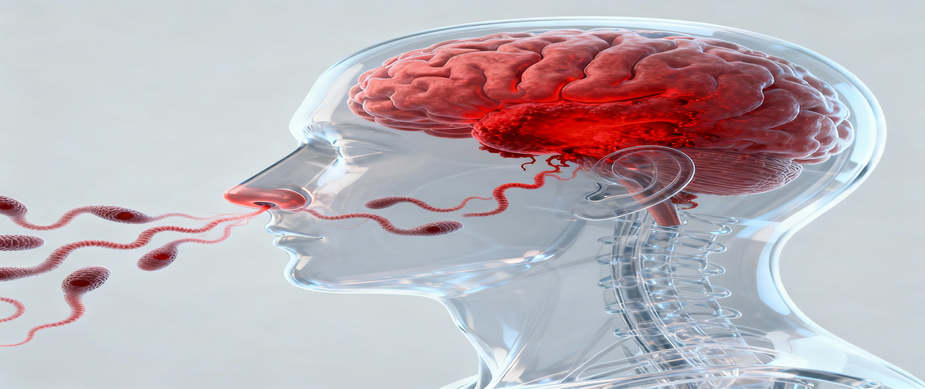
A brain-eating amoeba infection does not happen from casual contact or by drinking contaminated water. It usually occurs when water containing Naegleria fowleri enters the nose. From there, the amoeba can travel to the brain, leading to primary amebic meningoencephalitis (PAM).
Common exposure situations include:
- Swimming or diving in warm freshwater bodies
- Using untreated water for nasal rinsing
- Activities where water is forcefully pushed up the nose
Every day contact, such as drinking tap water or showering, does not usually result in infection. The risk arises mainly when contaminated water reaches the nasal passages.
Symptoms of Brain-Eating Amoeba Infection
The infection, known as primary amebic meningoencephalitis (PAM), affects the brain and spinal cord. Early symptoms often resemble those of common viral or bacterial infections, which makes early recognition challenging. Over time, the infection progresses and neurological symptoms become more noticeable.
Commonly, brain infection symptoms include:
- Headaches that worsen over time
- Stiff neck and sensitivity to light
- Fever and nausea
- Confusion or difficulty concentrating
- Loss of balance
Recognising these signs early and seeking medical care immediately is important, as early intervention can improve outcomes.
Read more about - Headache Types and Top Reasons You Have a Headache and What You Can Do.
Diagnosis of Brain-Eating Amoeba Infection
The diagnosis of brain-eating amoeba infection requires laboratory testing. Because symptoms resemble those of other brain infections, accurate and timely testing is crucial.
Diagnostic methods may include:
- Testing cerebrospinal fluid obtained through lumbar puncture
- Microscopic examination to identify the presence of an amoeba
- Molecular methods, such as PCR, for faster and more reliable results
Advances in laboratory diagnostics are helping doctors identify PAM cases more efficiently, which supports earlier treatment.
Treatment Options for Brain-Eating Amoeba
Brain-eating amoeba treatment involves a combination of medications aimed at controlling the infection and reducing inflammation in the brain. Some medicines traditionally used to treat other infections may be useful in managing Naegleria fowleri infections.
Doctors may prescribe antifungal drugs, antimicrobials, and supportive therapies to help stabilise the patient. Research into newer treatment options is ongoing, and experimental approaches are being studied to improve recovery chances.
Prognosis and Survival Rates
The prognosis for brain-eating amoeba depends on how quickly the infection is identified and treated. The condition progresses rapidly, so early medical attention is key.
While the PAM survival rate has historically been very low, there have been instances where patients have survived with early diagnosis, aggressive treatment, and supportive care. Ongoing research continues to explore therapies that may improve long-term outcomes.
Prevention of Brain-Eating Amoeba Infection
Since there is no vaccine yet, prevention plays a vital role. Individuals can prevent exposure to brain-eating amoebas by reducing nasal contact with untreated warm freshwater.
Helpful precautions include:
- Using nose clips or avoiding submersion when swimming in freshwater lakes or rivers
- Avoiding water activities in warm freshwater during very hot weather
- Using only sterile or boiled and cooled water for nasal rinsing or neti pots
- Ensuring swimming pools and recreational water sources are properly chlorinated and maintained
Simple awareness of these measures can significantly lower the risk of infection.
Brain-Eating Amoeba in India
In recent years, reports of brain-eating amoeba in India have increased public attention. Many cases are linked to swimming in untreated water sources or performing religious or cultural nasal cleansing with contaminated water.
Awareness among communities is vital. By spreading information on safe water practices and encouraging medical attention for unusual symptoms, people can reduce risks linked with Naegleria fowleri in India.
Life Cycle and Biology of Naegleria fowleri
The Naegleria fowleri life cycle has three stages: cyst, trophozoite, and flagellate. Among these, the trophozoite stage is the active feeding form that can infect humans.
This amoeba thrives in warm freshwater and moist soil. It adapts quickly to environmental changes, which enables it to survive in various conditions. Understanding amoeba biology enables researchers to develop more effective diagnostic and preventive methods.
Conclusion
The brain-eating amoeba, Naegleria fowleri, is a rare but clinically important cause of brain infection. Awareness of how the infection occurs, its symptoms, and preventive steps can make a significant difference in outcomes. While research continues to improve diagnosis and treatment, avoiding high-risk exposures and seeking prompt medical care remain the most effective strategies. With proper awareness, safe practices, and medical guidance, individuals can continue to enjoy water activities and daily routines with confidence.
Frequently Asked Questions
1. What is primary amebic meningoencephalitis (PAM)?
PAM is a brain infection caused by Naegleria fowleri. It affects the brain and spinal cord, leading to neurological symptoms that progress rapidly.
Explore the Neurology/Neurosciences Treatment Hospital in Delhi.
2. How fast do symptoms progress after infection?
Symptoms usually appear a few days after exposure. They progress quickly, which is why timely medical care is crucial.
3. Can drinking contaminated water cause brain-eating amoeba infection?
No, infection does not occur from drinking water. It happens only when contaminated water enters the nose.
4. Is survival possible from brain-eating amoeba infection?
Yes, survival is possible. Although rare, some patients have recovered when the infection was detected and treated early.
5. Who is most at risk for Naegleria fowleri infection?
People who swim or dive in untreated warm freshwater are more likely to be exposed. Nasal rinsing with contaminated water can also pose a risk.
6. Can Naegleria fowleri live in swimming pools or tap water?
If swimming pools are properly chlorinated, the amoeba does not survive. Tap water treated with standard municipal methods is generally safe.
7. What should I do if I suspect exposure?
If you experience symptoms such as severe headache, fever, or balance issues after being exposed to warm freshwater, consult a neurologist or an internal medicine doctor.
8. When should I see a doctor if I suspect a brain infection?
Any sudden neurological symptoms, such as confusion, a stiff neck, or an unexplained fever, after freshwater exposure should prompt an immediate medical evaluation.

Written and Verified by:

Related Blogs


Medical Expert Team
Sep 30 , 2019 | 3 min read

Medical Expert Team
Nov 17 , 2020 | 3 min read
Blogs by Doctor

How to Handle Migraines at Home?
Dr. Atul Prasad In Centre For Neurosciences
Jan 24 , 2023 | 4 min read

Blood Clot in Brain (Cerebral Thrombosis): Symptoms, Diagnosis, Treatment
Dr. Atul Prasad In Centre For Neurosciences
Jan 02 , 2023 | 8 min read

Frequently Asked Questions about Migraine Headaches: Causes Diagnosis, and Treatments
Dr. Atul Prasad In Centre For Neurosciences
Mar 21 , 2023 | 5 min read
Most read Blogs


Related Blogs
Medical Expert Team
Sep 30 , 2019 | 3 min read
Medical Expert Team
Nov 17 , 2020 | 3 min read
Blogs by Doctor
How to Handle Migraines at Home?
Dr. Atul Prasad In Centre For Neurosciences
Jan 24 , 2023 | 4 min read
Blood Clot in Brain (Cerebral Thrombosis): Symptoms, Diagnosis, Treatment
Dr. Atul Prasad In Centre For Neurosciences
Jan 02 , 2023 | 8 min read
Frequently Asked Questions about Migraine Headaches: Causes Diagnosis, and Treatments
Dr. Atul Prasad In Centre For Neurosciences
Mar 21 , 2023 | 5 min read
Most read Blogs
