 +91 954 002 5025 (24/7)

To Book an Appointment
Call Us+91 954 002 5025To Book an Appointment
Call Us+91 954 002 5025Types of Bladder Stones: Causes, Composition, and Symptoms
By Dr. Yajvender Pratap Singh Rana in Urology
Oct 28 , 2025 | 6 min read

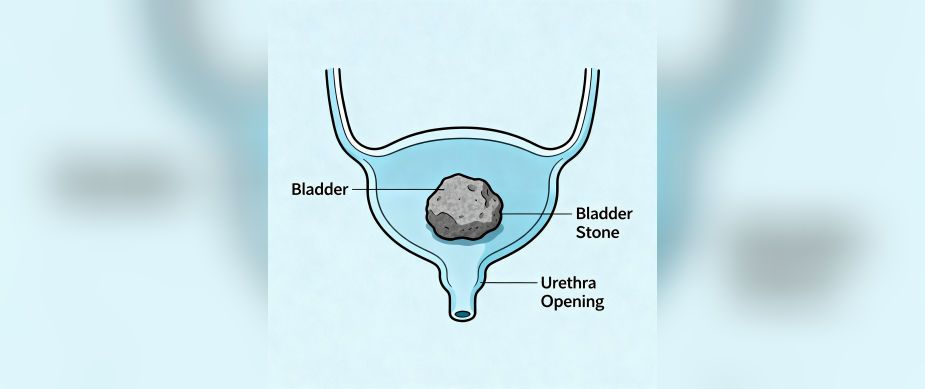
Small, hard lumps called bladder stones build up in the bladder. They are made up of minerals and waste that accumulates when the bladder doesn't empty completely. Things like these can change into crystals and stones over time. They come in different shapes, sizes, and numbers. Some are small and go away on their own, while some get stuck and hurt or infect people.
Not all bladder stones are the same. Knowing the types of bladder stones helps doctors treat them better. Each type has its own cause, symptoms, and risk factors. A treatment that works for one person may not work for another. That’s why it’s important to understand what kind of stone you’re dealing with.
Different Types of Bladder Stones
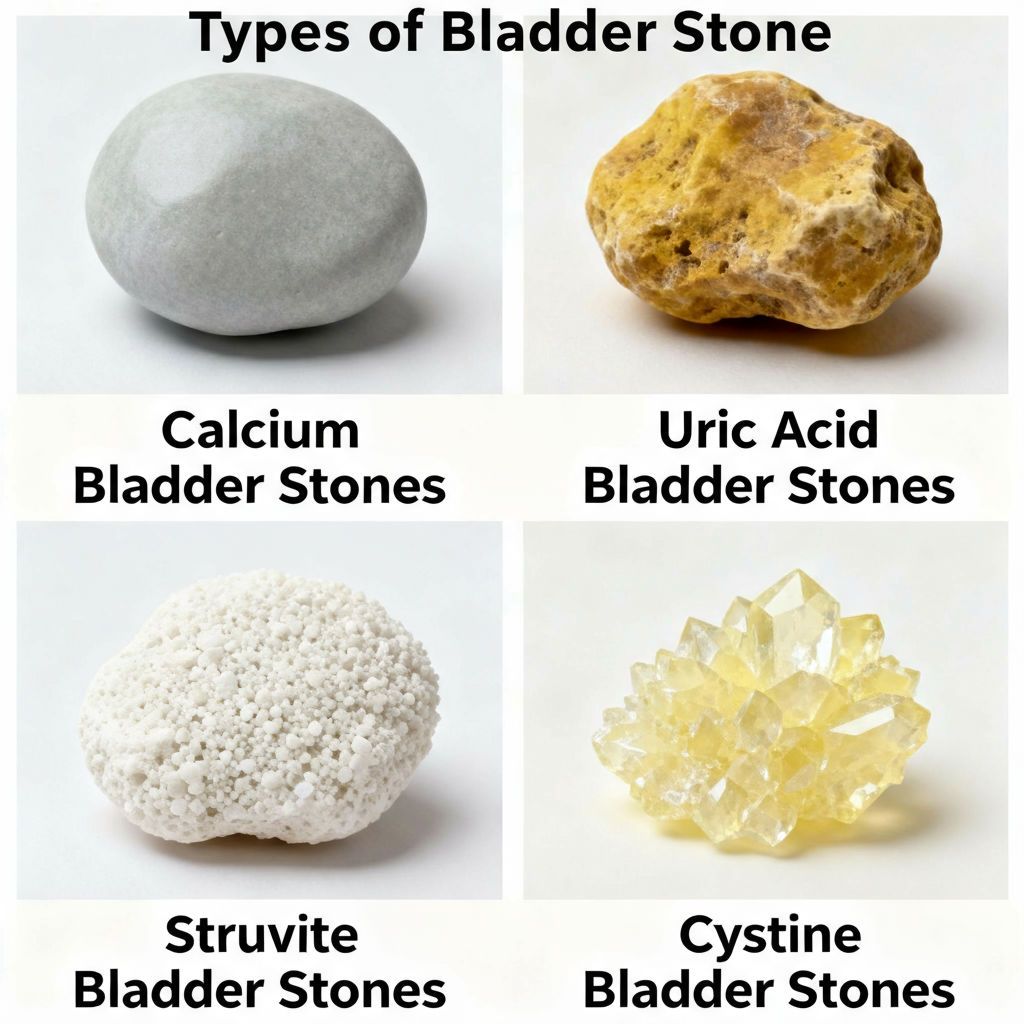
1. Calcium Bladder Stones
Calcium stones are the most common. They form when there is too much calcium in the urine. Low water intake, certain medications, and medical issues like hyperparathyroidism or repeated urinary tract infections (UTIs) can raise the chances.
A lot of the time, they hurt when you urinate. Some people see blood in their urine or feel the need to go to the toilet a lot. If the stone is big, it might stop the urine from flowing through.
2. Uric Acid Bladder Stones
When urine is too acidic, uric acid stones often form. They are more likely to happen to people who eat a lot of red meat, shellfish, or foods high in protein. The risk can also go up if you are dehydrated or have certain metabolic conditions, like gout.
Pain, burning during urination, and dark or cloudy urine are common. Some may feel pain in the lower abdomen.
3. Struvite Bladder Stones
Struvite stones often come from chronic UTIs. These infections are more common in women. The bacteria produce ammonia, which raises urine pH and causes these stones to form.
People may experience fever, chills, and cloudy urine with a bad smell. These stones can grow large quickly, sometimes without early symptoms.
4. Cystine Bladder Stones
These are rare and caused by a genetic condition called cystinuria. The body leaks cystine (a type of amino acid) into the urine. When cystine builds up, it forms stones.
They tend to form early in life. Common symptoms include pain, blood in the urine, and frequent UTIs.
Causes of Bladder Stones
Dietary Factors
Diets that are high in salt, sugar, and animal protein can make it more likely for stones to form. It gets worse when you don't eat enough fruits and vegetables, especially if you don't get enough citrate or potassium, which help keep stones from forming.
Dehydration and Low Fluid Intake
This is a major reason for bladder stones. When you don’t drink enough water, the urine becomes more concentrated. That means there’s less fluid to flush out waste, making it easier for crystals to form.
Medical Conditions Leading to Bladder Stones
Being sick in some ways increases the chance of getting bladder stones. Having a neurogenic bladder, prostate enlargement, or an infection in your bladder can all make it harder for your bladder to empty. Urine that stays behind increases the risk of developing stones.
Composition of Bladder Stones
The type of stone depends on what’s in your urine. When minerals or acids are present in high amounts, they begin to stick together. Over time, they become crystals and then stones.
Minerals like calcium, oxalate, uric acid, phosphate, and cystine are usually behind most stones. A healthy bladder flushes these out. But when the balance is off, like too little fluid or too many minerals, that’s when stones start to form.
Symptoms of Bladder Stones
Having a bladder stone can be painful. There are signs like pain when you urinate, pain in your lower belly, cloudy or bloody urine, and the need to go to the toilet a lot. Sometimes, urine flow stops or becomes weak. Small stones may go away on their own.
Symptoms Specific to Different Types
- Calcium Stones: May cause sharp pain and appear on imaging easily.
- Uric Acid Stones: Often come with reddish urine and are harder to detect on regular X-rays.
- Struvite Stones: Linked to infection symptoms like fever and cloudy urine.
- Cystine Stones: Show up early in life and tend to come back repeatedly.
Diagnosis of Bladder Stones
Physical Examination and Medical History
The doctor will ask about your symptoms, eating habits, medical history, and any past infections. A physical check-up can give clues. For example, swelling or tenderness in the lower abdomen.
Imaging and Tests for Bladder Stones
To be sure of the diagnosis, doctors often do tests like X-rays or ultrasounds to look for stones. Some other ways include:
- CT scans to get more accurate information.
- Urine test to see if there is any blood, infection, or crystals in it.
- As needed, a cystoscopy (a scope put into the bladder) is performed to get a better look.
Treatment Options for Bladder Stones
Conservative Treatment
For small stones, the doctor may tell you to drink more water to help the body flush them out. Painkillers and medicines can also help get rid of some types of stones, like uric acid stones.
Surgical Options for Bladder Stones
When the stone is large or stuck, surgery may be needed.Cystoscopy plus laser lithotripsy laser is used Common methods include:
- Cystolitholapaxy: A scope breaks the stone into pieces that are flushed out.
- Open surgery: Used rarely, only when other methods won’t work or if there are complications.
- Percutaneous CLT: Small hole is made in the bladder and by urinary endoscopy and laser stone fragmentation and cleared.
Preventive Measures for Bladder Stones
To make it less likely that bladder stones will come back, make sure to drink enough water. Aim for two to three litres of water every day. You also need to maintain a healthy diet that is high in vegetables and low in processed foods. Quickly treat any infections or problems with the bladder. Seeing your doctor regularly is important, especially if you've had stones before.
Conclusion
Sometimes bladder stones don't cause any early symptoms, but if you don't treat them, they can cause infections or damage to the bladder. It's easier to treat and more successful when the problem is found early. So, do not wait for it to get worse.
Being mindful of your water intake, diet, and existing health conditions can go a long way in preventing stones. If you feel any discomfort while urinating or see changes in your urine, get checked without delay.
When you come to BLK-Max Super Speciality Hospital, we can help you with bladder stones and other urology problems. You can consult us if you are having symptoms or want a second opinion. Our staff is trained to help you get the right diagnosis and treatment of bladder stone that fits your needs.
Frequently Asked Questions About Types of Bladder Stones
1. Can someone have more than one type of bladder stone at the same time?
Yes, it’s possible for a person to have different types of stones in the bladder if multiple risk factors are present.
2. Do certain medications increase the risk of forming bladder stones?
Some medications, like diuretics or calcium supplements, can raise the chance of stone formation if not managed properly.
3. Are bladder stones more common in certain regions or climates?
Bladder stones are more common in hot climates where dehydration is frequent, and in areas with limited access to clean water.
4. Can lifestyle changes prevent the recurrence of bladder stones?
Yes, staying hydrated, following a balanced diet, and managing underlying health conditions can significantly lower the risk of recurrence.
5. Do bladder stones always cause symptoms?
Not always. Some bladder stones are small and may not cause any noticeable symptoms, but they can still lead to complications if left untreated.
6. How are types of bladder stones confirmed after initial diagnosis?
Urologist doctors may analyze the stone after removal or collect urine samples to understand its composition and determine the type.
7. Is surgery the only solution for bladder stones?
No, small stones can often be passed naturally or dissolved with medication, but larger or obstructive stones usually require surgical treatment.
8. Can diet alone reverse bladder stones?
Dietary changes can help prevent stones and dissolve certain types like uric acid stones, but they aren’t always enough for complete treatment.
9. Are bladder stones hereditary?
Certain rare types, like cystine stones, are linked to genetic conditions, but most bladder stones result from lifestyle or health factors.
10. How quickly can bladder stones develop?
The formation rate varies. Some stones grow slowly over months, while others, like struvite stones linked to infections, can form rapidly in a matter of weeks.

Written and Verified by:

Dr. Yajvender Pratap Singh Rana Exp: 14 Yr
Cancer Centre, Centre For Renal Sciences & Kidney Transplant, Kidney Transplant, Advance Urology Cancer Programme, Reconstructive Urology, Laparoscopic Urology, Female Urology, Andrology, Technology For Renal Care, Endourology, Cancer Robotic Surgery Programme
Meet the doctor


