 +91 954 002 5025 (24/7)

To Book an Appointment
Call Us+91 954 002 5025To Book an Appointment
Call Us+91 954 002 5025Lung Function Test: What It Is and How It Helps Monitor Respiratory Health
By Dr. Pramoj Jindal in Thoracic Surgery & Lung Transplant
Nov 03 , 2025 | 7 min read

What Is a Lung Function Test?
Definition and Overview
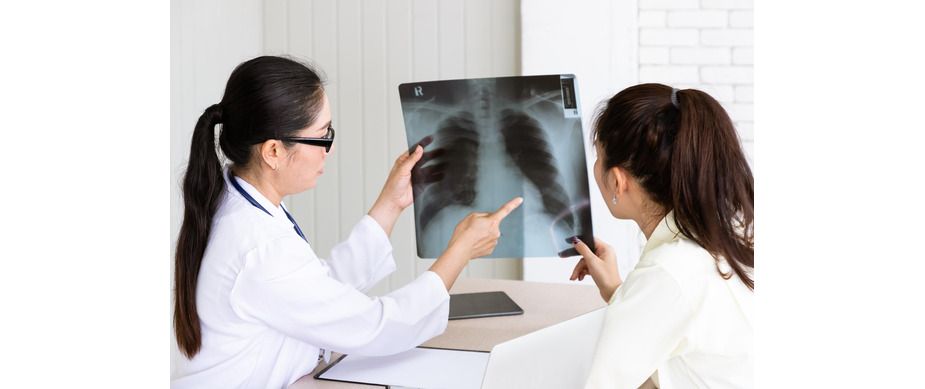
A lung function test takes a look at and diagnoses how well your lungs are working. It’s not one single test but a group of tests. They measure how much air you can breathe in and out, how quickly you can blow it out, and how well oxygen passes into your blood. The test doesn’t hurt and usually doesn’t take long.
Importance of Lung Function Testing in Healthcare
In places where air pollution is high or people smoke a lot, breathing problems are common. These tests help doctors figure out what’s going wrong inside. They can also help track how well your treatment is working, and if you’re going in for surgery, they make sure your lungs are strong enough to handle it.
Who Needs a Lung Function Test?
You might need this test if you’ve got asthma, a long-term cough, chest tightness, or if you smoke regularly. People who work in places with fumes, like factories, construction sites, or paint shops, also get tested. Sometimes, it’s done just to keep an eye on things during yearly checkups.
Read more about - Asthma Causes and Asthma Types, Symptoms, and Natural Remedies
Types of Lung Function Tests
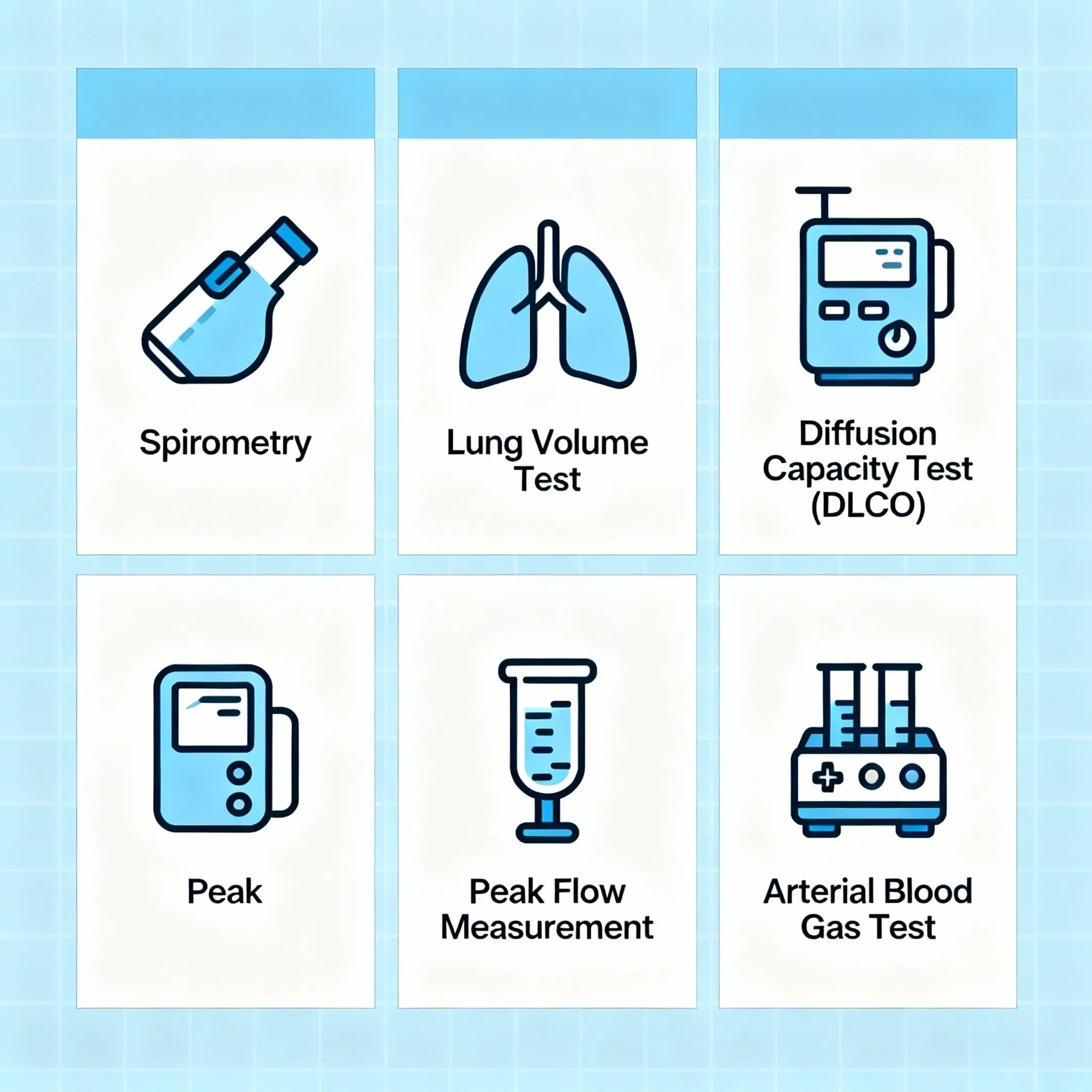
1. Spirometry
This one is done most often. You breathe in deep, then blow out hard and fast into a machine. It checks how fast and how much air you can push out. It helps diagnose asthma, COPD, and other airway blockages.
Learn more about - All You Need To Know About The Causes Of COPD and COPD: Symptoms, Causes & Prevention Tips
2. Lung Volume Test
This test checks how much air your lungs can actually hold. It’s done in a small cabin where you breathe through a mouthpiece. It helps spot issues that might not show up in simpler tests.
3. Diffusion Capacity Test (DLCO)
Here, you breathe in a small amount of gas, and the machine checks how much of it your lungs can absorb. It helps figure out if oxygen is properly passing from your lungs to your blood.
4. Peak Flow Measurement
This is a small handheld device. You blow into it to see how fast you can push air out. It’s often used at home by asthma patients to track their day-to-day condition.
5. Arterial Blood Gas Test
This test is not done all the time, but it is definitely worth mentioning. A small amount of blood is taken from an artery (usually your wrist) to measure oxygen and carbon dioxide levels. It’s usually done in hospitals.
How Lung Function Tests Are Performed
Pre-Test Preparation
There is no need to fast, but don’t eat a heavy meal just before the test. Avoid tea or coffee for a few hours before the test. Wear a loose shirt or t-shirt. If you use an inhaler, check with your doctor if you should skip it that day.
Step-by-Step Procedure
You sit on a chair with a clip on your nose. You breathe into a tube that’s connected to a machine. The technician will guide you; sometimes you’ll take a deep breath, sometimes you’ll blow out fast. They may ask you to repeat the test a few times for accuracy.
What to Expect During the Test
You might feel light-headed after blowing hard a few times. Some people start coughing, especially if they already have asthma. That’s normal. If anything feels too uncomfortable, let the technician know; they’ll pause the test.
Duration and Aftercare
The full session usually takes about 30 to 45 minutes. You can go back to your regular activities after. If you skipped medicines before the test, you can usually take them right after it’s done.
Why Lung Function Tests Are Important
Monitoring Chronic Respiratory Diseases
If you’ve got asthma, COPD, or something like chronic bronchitis, these tests help doctors track your progress. It’s not just about how you feel; it’s about the actual numbers. Maybe your cough feels better, but your lungs are still not moving air properly. That’s where the test helps.
Early Diagnosis of Lung Conditions
Sometimes breathlessness isn’t just about low stamina. If you’re healthy but still getting tired walking short distances, this test might catch something early. It could be airway inflammation or poor oxygen transfer; both are manageable if found on time.
Evaluating Treatment Effectiveness
If you’re trying a new inhaler or doing breathing therapy, this test will show if it’s actually helping. Doctors compare your old results to new ones. If there’s no change, they might tweak your treatment.
Assessing Lung Capacity Before Surgery
If you’re about to have heart surgery or something major, doctors want to make sure your lungs can handle the pressure, literally. This test gives them that confidence.
Understanding Lung Function Test Results
Normal vs. Abnormal Values
After the test, you’ll see some numbers. Don’t worry, they look technical, but your doctor will explain them. If they fall in the normal range for your age, gender, and height, it means your lungs are working fine. If they don’t, they’ll figure out why.
Interpreting Spirometry Readings
You’ll probably hear terms like
- FEV1: how much air you blow out in one second.
- FVC: how much total air you blow out after a deep breath.
- FEV1/FVC ratio: tells if your airways are blocked or restricted.
Low values could mean asthma, COPD, or another condition. But again, only a doctor should interpret the results.
What Abnormal Results May Indicate
If your numbers are off, it doesn’t always mean something serious. It might just mean mild inflammation or early signs of an issue. But abnormal readings can also point to lung conditions like fibrosis or long-term exposure damage. The test just starts the process; more steps may follow.
Risks and Limitations of Lung Function Testing
Are There Any Side Effects?
Nothing major. You might feel a bit dizzy or tired if you had to blow out forcefully. Some people with asthma may start coughing a bit, and that’s okay; clinics are ready for it.
Who Should Avoid the Test?
If you’ve just had eye or chest surgery, or if your BP is very high, your doctor might delay the test. It’s also avoided during an active chest infection or fever.
Limitations in Some Conditions
Sometimes people with mild asthma or allergy issues still get normal results. And if someone can’t follow the breathing steps well, maybe due to age or confusion, the results might not reflect the real situation.
How Often Should You Get a Lung Function Test?
Based on Age and Risk
If you’re under 40, don’t smoke, and have no symptoms, you probably don’t need it often. But if you live in a polluted city or have mild symptoms, doing this every couple of years makes sense.
For Chronic Lung Conditions
Asthma and COPD patients usually undergo a lung function test every 6 to 12 months. Sometimes more often if the doctor is adjusting medications or checking recovery.
Tips to Keep Your Lungs Healthy
Lifestyle and Breathing Exercises
Walk more or try yoga to keep yourself healthy. Practice deep breathing for 5 minutes a day, focusing on slow, deep inhales and long, slow exhales. Some people even use basic home tools like balloons to train their lungs. Playing a wind instrument helps, too!
Avoid Pollutants and Allergens
If you live in a traffic-heavy area, wear a mask, and keep windows closed on dusty days. Don’t let indoor air get too dry or smoky, and if you’re allergic to things like pollen or pet hair, stay clear.
Get Regular Checkups
If you already have a condition or your job involves dust or fumes, get tested once a year, even if you feel fine. Better safe than late.
Frequently Asked Questions (FAQs) on Pulmonary Function Test
1. Is a lung function test painful?
No, a lung function test is not painful. You only need to breathe into a device as instructed by the technician. At most, you may feel slightly light-headed or cough during the test, but it is safe and non-invasive.
2. Can I eat before a lung function test?
Yes, you can eat before a lung function test, but it’s best to avoid a heavy meal right before the procedure. Eating too much may make it difficult to breathe deeply. Also, avoid caffeinated drinks like tea or coffee a few hours before the test.
3. How long does a lung function test take?
A standard lung function test session usually takes 30 to 45 minutes. Spirometry alone may take just a few minutes, but when multiple tests are combined, the duration can be longer.
4. Can I do a lung function test at home?
Some basic lung function monitoring, like using a peak flow meter, can be done at home, especially for asthma patients. However, a complete lung function test requires specialised machines and must be performed in a clinic or hospital for accurate results.
5. What diseases can be detected by a lung function test?
A lung function test helps detect and monitor conditions such as asthma, COPD, chronic bronchitis, pulmonary fibrosis, interstitial lung disease, and other respiratory disorders. It also identifies reduced oxygen transfer in the lungs.
6. Is it safe to take the test during pregnancy?
Yes, most lung function tests, like spirometry and diffusion capacity tests, are considered safe during pregnancy since they are non-invasive and drug-free. However, if you are pregnant, always inform your doctor so they can choose the most suitable tests for you.
Know more about - High-Risk Pregnancy: Causes, Symptoms, and Prevention Tips

Written and Verified by:


