 +91 954 002 5025 (24/7)

To Book an Appointment
Call Us+91 954 002 5025To Book an Appointment
Call Us+91 954 002 5025Causes of Gallbladder Stones: Understanding the Risk Factors
By Dr. Rajan Madan in General & Minimal Access Surgery
Nov 08 , 2024 | 11 min read

Gallbladder stones, medically known as cholelithiasis, are hardened deposits that form inside the gallbladder, a small, pear-shaped organ located beneath the liver. The gallbladder's main job is to store and concentrate bile, a digestive fluid produced by the liver, which is essential for breaking down fats in the small intestine.
These hardened deposits, which can range in size from a grain of sand to a golf ball, are a common gastrointestinal issue worldwide. While many individuals have "silent" gallstones that cause no symptoms, a migrating or obstructing gallstone can lead to severe pain and serious complications.
What Are Gallbladder Stones? (Types & Composition)
Gallstones form when there is a chemical imbalance in the bile, causing substances to precipitate out as crystals which then grow into stones.
The two main types of gallstones are:
1. Cholesterol Stones:
- Composition: These are the most common type, composed mainly of undissolved cholesterol.
- Appearance: They often appear yellow or yellow-green in color.
- Formation: They form when the liver excretes more cholesterol than the bile can dissolve with its bile salts and other chemicals, leading to the formation of crystals.
2. Pigment Stones:
- Composition: These dark brown or black stones are made of bilirubin. Bilirubin is a yellow pigment produced when the body breaks down old red blood cells.
- Formation: They form when there is too much bilirubin in the bile, often linked to conditions like liver cirrhosis, certain blood disorders, or biliary tract infections.
Read more about - Interpreting Bilirubin Test Results: What High and Low Levels Mean and Tips to Get Rid Liver Cirrhosis.
Symptoms and Signs of Gallbladder Stones
Most gallstones are asymptomatic ("silent") and don't require treatment. Symptoms occur when a gallstone lodges in a duct, causing a blockage or irritation.
Biliary Colic (The Gallbladder Attack)
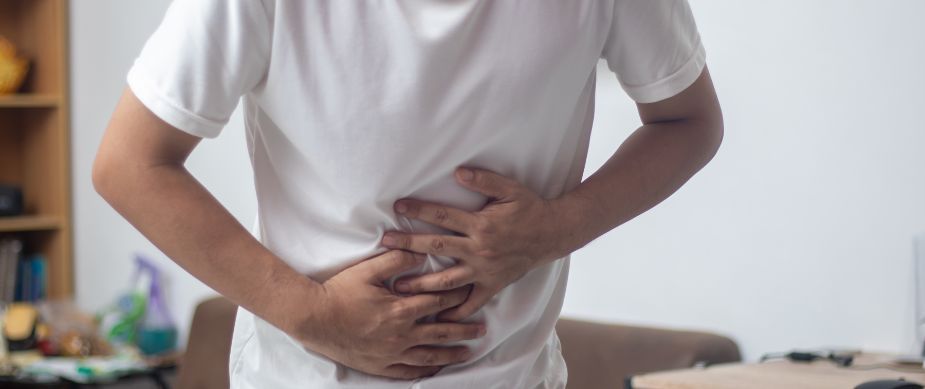
The most common symptom is a gallbladder attack, or biliary colic, a characteristic pain that is often triggered after a heavy or fatty meal.
- Pain Location: Sudden and rapidly intensifying pain in the upper right portion of the abdomen or the center of the abdomen (just below the breastbone).
- Pain Radiation: The pain may spread to the right shoulder or the back between the shoulder blades.
- Duration: The attack can last from several minutes to a few hours and usually stops when the gallstone moves or dislodges.
Other Common Symptoms
- Nausea and Vomiting.
- Other digestive problems, such as indigestion, heartburn, and gas, may occur.
Know more about - Gallbladder Stones - Symptoms, Prevention, Myths & Facts.
Urgent Warning Signs
Seek immediate medical care if you develop signs of a severe complication, which can indicate acute inflammation or infection:
- Severe, Unrelenting Pain: Abdominal pain so intense that you cannot sit still.
- Jaundice: Yellowing of the skin and the whites of the eyes.
- High Fever with Chills.
- Dark Urine and Light/Clay-Colored Stools.
Learn more about - Home Remedies for Stomach Pain Relief , Jaundice Diet Chart: Essential Foods to Eat and Avoid, and Jaundice: Stages, Causes, Symptoms in Infants & Adults.
Causes & Risk Factors of Gallstones (Cholelithiasis)
Gallstones are caused by an interplay of factors including bile composition, gallbladder function, genetics, and lifestyle.
1. Excess Cholesterol in Bile
The most common underlying cause for cholesterol gallstones is the bile containing too much cholesterol. This often results from:
- Obesity and Overweight: Being overweight or living with obesity significantly increases the risk, as it raises the amount of cholesterol secreted into the bile.
- Diet: A diet high in fat, high in cholesterol, and low in fiber can promote cholesterol supersaturation.
- Rapid Weight Loss: Losing weight too quickly (e.g., from crash dieting or bariatric surgery) causes the liver to release extra cholesterol, increasing the risk of stone formation.
Know more about - What Are The Different Types, Procedures & Risks Of Bariatric Surgery.
2. Excess Bilirubin Production
Excess bilirubin causes pigment stones. Conditions that lead to this include:
- Hemolytic Disorders: Medical conditions that cause the body to destroy too many red blood cells, such as sickle cell anemia.
- Chronic Liver Diseases: Conditions like cirrhosis or biliary tract infections can affect bilirubin processing.
3. Poor Gallbladder Emptying (Stasis)
If the gallbladder doesn't contract or empty completely or often enough, the bile becomes overly concentrated, contributing to gallstone formation. Factors contributing to this gallbladder stasis include:
- Skipping Meals or Prolonged Fasting: Regular meals help the gallbladder contract and empty.
- Pregnancy: Hormonal changes during pregnancy can impair gallbladder motility.
4. Hormonal Influence and Female Sex
Gallstones are significantly more common in women than in men:
- Female Sex: Being female, especially between the ages of 20 and 60, is a major risk factor.
- Estrogen: Hormones like estrogen, found in oral contraceptives or hormone therapy drugs, increase cholesterol secretion into bile.
- Pregnancy: Pregnancy elevates estrogen and progesterone, which both contribute to increased stone risk.
5. Genetic and Ethnic Factors
- Family History: Having a family history of gallstones increases your personal risk.
- Ethnic Background: Certain populations, notably Native Americans and Mexican-Americans, have a genetically higher prevalence of gallstones.
6. Diabetes and Other Conditions
- Diabetes Mellitus: Having diabetes is a known risk factor for gallstones.
- Age: The risk of gallstones increases with age, particularly after 40.
How Do Gallstones Form? (Pathophysiology Simplified)
The formation of gallstones is a three-step process that occurs when bile becomes unbalanced:
- Supersaturation: Bile becomes overloaded with a substance, most commonly cholesterol, beyond what the bile salts and lecithin can keep dissolved.
- Nucleation: The excess cholesterol or bilirubin precipitates out, forming microscopic crystals. These crystals get trapped in the gallbladder mucus, creating gallbladder sludge.
- Growth: If the gallbladder doesn't empty regularly (stasis), the crystals remain in the organ, clump together, and slowly harden, eventually forming a visible stone.
Diagnosis of Gallstones
Diagnosis is essential for determining if gallstones are the source of symptoms and if any complications are present.
Primary Diagnostic Tools
- Abdominal Ultrasound: This is the most common, non-invasive test used to create images of the gallbladder and bile ducts. It can clearly show the presence of gallstones and sludge, and signs of gallbladder inflammation.
- Blood Tests: These tests measure various markers, including bilirubin and liver function tests, to check for signs of infection, inflammation, or blockage in the bile ducts.
Advanced Imaging
- CT Scan (Computed Tomography): Provides cross-sectional X-ray images that can help visualize the gallbladder and surrounding structures, especially useful for checking for complications like pancreatitis.
- MRCP (Magnetic Resonance Cholangiopancreatography): Uses a magnetic field to create detailed images of the liver, gallbladder, bile ducts, and pancreas.
- HIDA Scan (Cholescintigraphy): This functional test involves injecting a harmless radioactive material that is tracked as it moves to the liver, gallbladder, and small intestine. It helps determine if the gallbladder is functioning properly and can help distinguish acute inflammation (cholecystitis).
Read more about - What Does the Liver Do? Tips to Keep Liver Healthy.
Treatment Options for Gallbladder Stones
The decision to treat gallstones depends entirely on whether they are causing symptoms or complications.
Watchful Waiting
Gallstones that are discovered incidentally and cause no symptoms (silent gallstones) typically do not require treatment. Doctors will advise on lifestyle management and monitor for the onset of symptoms.
Non-Surgical Treatment (Symptom Management and Dissolution)
- Pain Management: During an episode of biliary colic, painkillers (such as paracetamol or ibuprofen) may be used for symptom relief. Stronger prescription pain medication may be required for severe pain.
- Oral Dissolution Medications: Medicines like ursodiol contain chemicals that can slowly dissolve small cholesterol gallstones. This treatment is rarely used as it can take months or years to work, and the gallstones often return after the medication is stopped.
- ERCP (Endoscopic Retrograde Cholangiopancreatography): This procedure is primarily used to remove a gallstone that has migrated and gotten stuck in the common bile duct, which can be an urgent necessity.
Surgical Treatment
The definitive treatment for symptomatic gallstones or complications is the surgical removal of the gallbladder, known as cholecystectomy. Since the gallbladder is not an essential organ, you can live normally without it, with bile flowing directly from the liver to the small intestine.
Complications of Gallstones
If left untreated, gallstones can lead to life-threatening complications when they obstruct the flow of bile or pancreatic juices:
- Acute Cholecystitis: This is inflammation of the gallbladder. It occurs when a gallstone becomes stuck in the cystic duct (the gallbladder's opening), causing bile to back up and irritate the organ wall. Symptoms include persistent, severe pain and fever.
- Cholangitis: This is a severe, ascending infection and inflammation of the bile ducts. It is a medical emergency that can lead to sepsis (blood poisoning) if the blockage is not cleared quickly.
- Pancreatitis (Gallstone Pancreatitis): This is inflammation of the pancreas. It occurs when a gallstone blocks the pancreatic duct, which shares an exit point with the common bile duct into the small intestine. It causes intense, constant abdominal pain and requires immediate hospitalization.
- Obstructive Jaundice: If a stone blocks the common bile duct, bile backs up into the liver and bloodstream, causing the skin and eyes to turn yellow, and potentially leading to liver damage.
- Gallbladder Cancer: Although extremely rare, people with a history of gallstones, especially very large ones, have a slightly increased risk of developing gallbladder cancer.
Read more about - 10 Advance Symptoms of Gallbladder Cancer: Early Signs, Male vs. Female Differences & When to Seek Help and What is Cancer and Its Different Types.
Prevention of Gallbladder Stones
While genetic and hormonal factors are non-modifiable, most people can significantly lower their risk of developing cholesterol gallstones through strategic lifestyle and dietary changes.
Lifestyle Changes
- Maintain a Healthy Weight: Losing weight slowly is key. Obesity and being overweight increase risk, so work to maintain a healthy BMI.
- Avoid Rapid Weight Loss: If you need to lose weight, aim for a gradual loss of 1 to 2 pounds (0.5 to 1 kg) per week. Rapid weight loss can cause gallstones to form.
- Do Not Skip Meals: Try to stick to regular mealtimes each day. Skipping meals or prolonged fasting allows bile to sit and become overly concentrated.
- Stay Active: Regular physical activity helps maintain a healthy weight and promotes better digestive function.
Dietary Recommendations
- Eat More High-Fiber Foods: Include a variety of fruits, vegetables, beans, peas, and whole grains (like brown rice, oats, and whole wheat bread). Fiber helps reduce cholesterol saturation in bile.
- Choose Healthy Fats in Moderation: Opt for healthy fats like olive oil, fish oil, avocados, and nuts. These fats help the gallbladder contract and empty on a regular basis.
- Limit Unhealthy Fats and Sugar: Reduce intake of foods high in saturated and trans fats (e.g., fried foods, processed snacks, fatty cuts of meat) and refined carbohydrates/added sugars (e.g., sugary drinks, white bread, desserts).
- Stay Hydrated: Drinking plenty of water helps maintain proper bile consistency and supports smooth bile flow.
Frequently Asked Questions
1. Why do gallbladder stones cause pain after fatty meals?
Gallstones cause pain, known as biliary colic, when they get stuck and create a temporary blockage in the biliary tract. Eating, especially a heavy or fatty meal, triggers the release of hormones that cause the gallbladder to contract vigorously to squeeze out concentrated bile for fat digestion. If a stone is blocking the outlet (cystic duct), this forceful contraction builds intense pressure behind the blockage, resulting in the sudden, severe pain felt in the upper abdomen.
2. Can gallstones go away on their own?
No. Gallstones are hardened, concentrated pieces of bile material. Once they have formed, they will not dissolve or disappear on their own. While very small stones may occasionally pass through the ducts and into the intestines, this is unpredictable and cannot be relied upon as a treatment. Furthermore, the underlying condition that caused the stones (e.g., imbalanced bile composition) will remain, meaning new stones will likely continue to form.
3. What size of gallstones is dangerous?
The danger of gallstones is not determined by their size alone, but by their ability to cause obstruction and complications.
- Large Stones (e.g., >1 cm): May be more likely to cause blockage of the cystic duct, leading to severe inflammation of the gallbladder (acute cholecystitis). They also slightly increase the rare risk of gallbladder cancer.
- Small Stones (Sludge or Gravel): These can be particularly dangerous because they are small enough to escape the gallbladder, travel down the narrow bile ducts, and get lodged at the junction with the pancreas, causing life-threatening pancreatitis or cholangitis.
4. Are gallstones hereditary?
Yes, gallstones have a strong genetic component. While lifestyle is a major factor, genetic predisposition accounts for a significant part of the risk. This is because genes control key processes like how much cholesterol the liver secretes into bile and how effectively the gallbladder contracts. If you have a family history of gallstones, you have a higher inherited risk factor.
5. Are gallbladder stones more common in men or women?
Though exceptions can be there, women are more prone to gallbladder stones compared to men.
6. What size of gallstones need surgery?
Often, stones larger than 10 mm require surgical removal. However, the size of the stones is not the only factor determining surgery.
Disclaimer: This article is for general informational and educational purposes only and is not a substitute for professional medical advice, diagnosis, or treatment. Always consult your doctor, gastroenterologist, or qualified healthcare provider for personalized advice about gallbladder stones, investigations, and treatment options. Never ignore or delay seeking professional medical advice because of information you have read on a website.
References
1. NCBI Bookshelf. (2025). Gallstones (Cholelithiasis) – StatPearls. StatPearls Publishing. https://www.ncbi.nlm.nih.gov/books/NBK459370/
2. EASL. (2016). EASL Clinical Practice Guidelines on the prevention, diagnosis and treatment of gallstones. European Association for the Study of the Liver. https://easl.eu/wp-content/uploads/2016/10/EASL-CPG-Gallstones.pdf
3. Di Ciaula, A., Garruti, G., Frühbeck, G., de Bari, O., Wang, D. Q.-H., & Portincasa, P. (2019). The role of diet in the pathogenesis of cholesterol gallstones. Current Medicinal Chemistry, 26(19), 3620–3638. https://www.ncbi.nlm.nih.gov/pmc/articles/PMC8118138/
4. Gutt, C., Schläfer, S., & Lammert, F. (2020). The treatment of gallstone disease. Deutsches Ärzteblatt International, 117(9), 148–158. https://www.ncbi.nlm.nih.gov/pmc/articles/PMC7132079/
5. Sanchez‑Rodriguez, S. H., et al. (2021). Obesity and gallstones. Journal of Clinical and Translational Hepatology, 9(2), 1–10. https://www.ncbi.nlm.nih.gov/pmc/articles/PMC8543292/
6. Wang, D., et al. (2024). Different types and numbers of metabolic abnormalities and risk of gallstone development. Frontiers in Nutrition, 11, 1443575. https://www.frontiersin.org/articles/10.3389/fnut.2024.1443575/full
7. Guo, X., et al. (2024). Relationship of triglyceride‑glucose index to gallstone prevalence. Scientific Reports, 14, 12345. https://www.nature.com/articles/s41598-024-67883-0
8. Shenoy, R., et al. (2022). Management of symptomatic cholelithiasis: A systematic review. Systematic Reviews, 11(1), 267. https://www.ncbi.nlm.nih.gov/pmc/articles/PMC9743645/

Written and Verified by:

Related Blogs

Medical Expert Team
Aug 02 , 2017 | 2 min read

Dr. Rajan Madan In General & Minimal Access Surgery
Jan 10 , 2024 | 8 min read

Dr. Rajan Madan In General & Minimal Access Surgery
Jul 09 , 2024 | 3 min read
Blogs by Doctor
Hernia Symptoms: Identify Different Hernia Types
Dr. Rajan Madan In General & Minimal Access Surgery
Jan 10 , 2024 | 8 min read
Hemorrhoid Symptoms: What You Need to Know
Dr. Rajan Madan In General & Minimal Access Surgery
Jul 09 , 2024 | 3 min read
Most read Blogs


Related Blogs
Medical Expert Team
Aug 02 , 2017 | 2 min read
Dr. Rajan Madan In General & Minimal Access Surgery
Jan 10 , 2024 | 8 min read
Dr. Rajan Madan In General & Minimal Access Surgery
Jul 09 , 2024 | 3 min read
Blogs by Doctor
Hernia Symptoms: Identify Different Hernia Types
Dr. Rajan Madan In General & Minimal Access Surgery
Jan 10 , 2024 | 8 min read
Hemorrhoid Symptoms: What You Need to Know
Dr. Rajan Madan In General & Minimal Access Surgery
Jul 09 , 2024 | 3 min read
Most read Blogs
