 +91 954 002 5025 (24/7)

To Book an Appointment
Call Us+91 954 002 5025To Book an Appointment
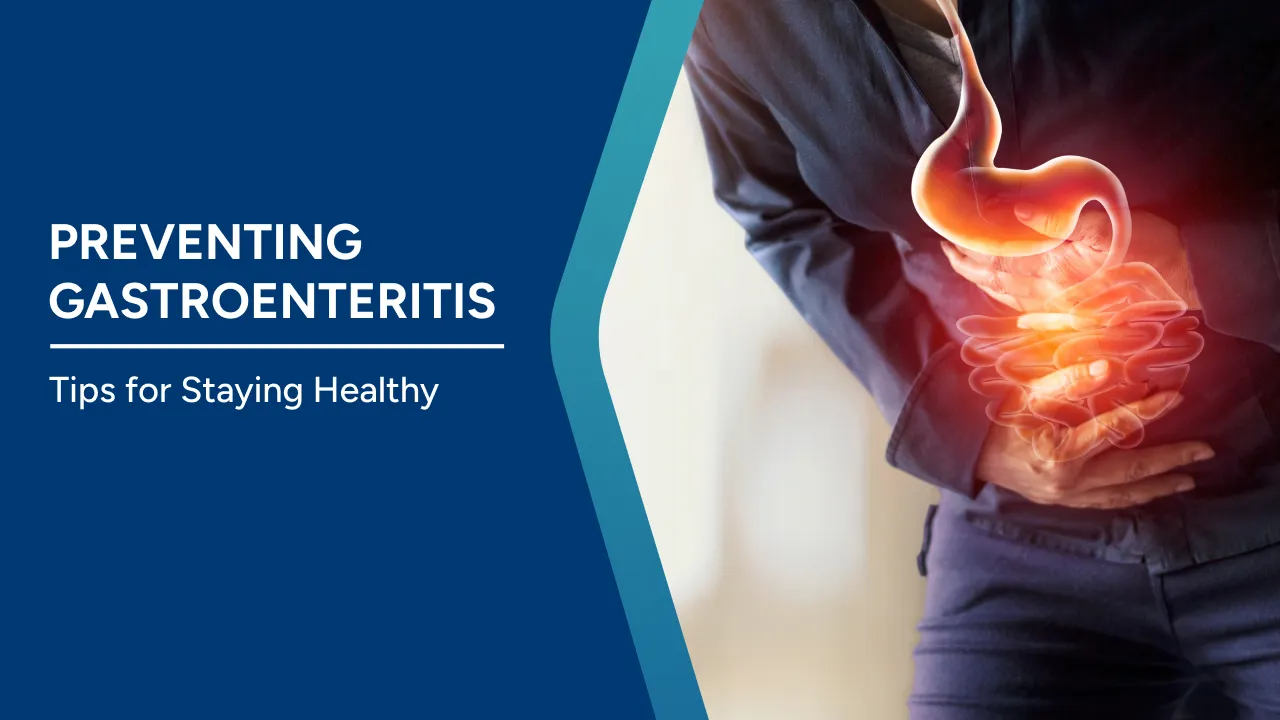
Call Us+91 954 002 5025Preventing Gastroenteritis: Tips for Staying Healthy
By Dr. Rajinder Kumar Singal in Internal Medicine
Aug 05 , 2026 | 12 min read

Gastroenteritis, commonly known as the stomach flu, is an infection that causes inflammation in the stomach and intestines. Despite its nickname, it has nothing to do with influenza. It can be caused by viruses, bacteria, or parasites and usually leads to symptoms like diarrhoea, vomiting, and stomach cramps.
While most cases are mild and settle on their own within a few days, gastroenteritis can become serious if not managed properly, especially in children, older adults, or people with weak immune systems. In India, acute diarrhoeal disease remains a large public health burden, with more than 13.9 million cases and 709 outbreaks reported in 2016 alone.
The encouraging part is that most infections are avoidable. This guide explains practical tips for preventing gastroenteritis at home, at work, in school, and while travelling, based on guidance from the World Health Organization, the Centers for Disease Control and Prevention, and India's Ministry of Health and Family Welfare.
What Is Gastroenteritis?
Gastroenteritis is a short-term infection of the digestive tract. Viruses are the most common cause. Norovirus leads the list in adults and children, while rotavirus is a major cause in infants and toddlers. Bacteria such as E. coli, Salmonella, and Shigella, and parasites such as Giardia, also cause it, usually through unsafe food or water.
Typical symptoms include loose or watery stools, vomiting, nausea, stomach cramps, and sometimes a mild fever. Norovirus symptoms usually appear 12 to 48 hours after exposure and last 1 to 3 days. Rotavirus symptoms tend to last a little longer, about 3 to 8 days.
How is Gastroenteritis Spread?
Gastroenteritis is very contagious and spreads easily through:
- Faecal-oral route: When germs from the stool of an infected person get into your mouth, often due to poor handwashing.
- Contaminated food or water: Eating undercooked meat or seafood, or drinking unsafe water.
- Person-to-person contact: Touching surfaces or items handled by someone infected.
- Airborne droplets from vomiting: Vomit can release tiny infectious particles that settle on nearby surfaces.
One reason norovirus spreads so easily is that an infected person can continue to shed the virus in stool for days, or even weeks, after they feel better. Norovirus is also linked to roughly half of all foodborne disease outbreaks.
Who Is at Higher Risk?
Some people are more likely to catch gastroenteritis or to become seriously unwell:
- Infants and children under five, especially those not vaccinated against rotavirus.
- Adults over 65 years.
- People with diabetes, kidney disease, cancer, or any condition that weakens immunity.
- Anyone living with or caring for someone who is already ill.
- Travelers visiting places with unsafe drinking water or poor sanitation.
- People who often eat food prepared in bulk, such as at canteens, weddings, or roadside stalls.
Outbreaks are common in schools, daycares, nursing homes, hostels, and restaurants where many people are close together.
Tips for Preventing Gastroenteritis
The measures below are simple, low cost, and supported by public health guidance. None of them guarantees complete protection, but together they lower your risk considerably.
Wash Your Hands the Right Way
Wash your hands with soap and running water for at least 20 seconds, especially after using the toilet, after changing nappies, and before eating, cooking, or giving medicine.
Hand sanitiser is a useful backup, not a replacement. Alcohol-based sanitiser does not work well against norovirus, so soap and water remain the first choice whenever a tap is available. If soap is not available, use a sanitiser with at least 60% alcohol and wash your hands properly at the first opportunity.
Teach children to wash their hands regularly and supervise them until the habit is set.
Handle and Cook Food Safely
The World Health Organization sums up safe food handling in five keys: keep clean, separate raw and cooked, cook thoroughly, keep food at safe temperatures, and use safe water and raw materials.
- Wash fruits and vegetables under clean running water, especially if you plan to eat them raw.
- Cook meat, poultry, eggs, and seafood thoroughly. For meat and poultry, the juices should run clear, not pink.
- Avoid raw or half-cooked foods like sushi, shellfish, or runny eggs, particularly during pregnancy or if your immunity is low.
- Keep raw and cooked food separate, and use different chopping boards and knives for each.
- Do not leave cooked food at room temperature for more than two hours. Refrigerate leftovers promptly, ideally below 5°C, and keep hot food above 60°C until served.
- Reheat leftovers until they are steaming hot all the way through, and check food expiry dates before eating.
Drink Only Safe Water
- Drink water that has been boiled, filtered, or otherwise treated, especially while travelling.
- Avoid tap water, ice cubes, and cut fruit sold on the street in areas with poor sanitation.
- Store drinking water in a clean, covered container with a tap or ladle so that hands do not dip into it.
Keep Your Distance When Someone Is Ill
- Keep your distance from people who have vomiting or diarrhoea, and wash your hands after helping them.
- Do not share utensils, towels, or bedding with someone who is sick.
- Wash soiled clothing and bed linen separately on the hottest cycle the fabric allows.
- Keep sick children home from school or daycare for at least 48 hours after their symptoms stop, not just until they feel better.
Clean and Disinfect High-Touch Surfaces
- Clean commonly touched surfaces such as doorknobs, light switches, taps, mobile phones, and toilet handles regularly, and more often during an outbreak.
- Norovirus survives ordinary cleaning, so use a chlorine-based or bleach-based disinfectant on surfaces after someone has vomited, and wear gloves while cleaning up.
Vaccination Against Gastroenteritis
There is no vaccine that prevents every type of gastroenteritis, but there is an effective vaccine against rotavirus, the leading cause of severe diarrhoea in Indian infants.
India became the first country in Asia to add the rotavirus vaccine to its Universal Immunisation Programme, in March 2016. The vaccine is given by mouth in three doses at 6, 10, and 14 weeks of age, alongside other routine childhood vaccines.
Rotavirus Vaccine: This is given to infants to protect against rotavirus, a major cause of gastroenteritis in young children.
Vaccination reduces severe rotavirus diarrhoea and the hospital admissions that follow it. It also lowers the amount of virus circulating in the community, which indirectly protects children who are too young to be vaccinated.
By getting vaccinated, you not only protect yourself but also help prevent the spread of the virus in your community.
Preventing Gastroenteritis in Children
Children pick up infections quickly and dehydrate faster than adults, so a few extra steps help:
- Complete the rotavirus vaccine schedule on time.
- Breastfeed exclusively for the first six months where possible, as breast milk offers protection against diarrhoeal illness.
- Use safe, boiled water to prepare formula and weaning foods, and clean feeding bottles thoroughly.
- Wash your own hands before feeding a child and after nappy changes.
- Keep oral rehydration salts at home so that fluid replacement can begin early if diarrhoea starts.
Recommended reading - Norovirus in Children Symptoms and Management.
Preventing Gastroenteritis While Travelling
- Choose freshly cooked, piping hot food over buffet items that have been standing out.
- Stick to sealed bottled water or water you have boiled yourself, and skip ice.
- Peel fruit yourself rather than buying pre-cut fruit.
- Carry oral rehydration salts and a hand sanitiser for situations where soap and water are not available.
What to Do If You Already Have Gastroenteritis
Most people recover at home. Focus on replacing lost fluids and salts rather than trying to stop the diarrhoea.
- Sip oral rehydration solution steadily through the day. Oral rehydration salts are the single most effective home treatment for diarrhoeal dehydration, and are estimated to prevent up to 93% of diarrhoea deaths.
- Return to normal food as soon as you can tolerate it. Simple options such as rice, khichdi, curd, banana, or toast are usually easy on the stomach.
- For children with diarrhoea, doctors often advise zinc supplements alongside oral rehydration salts; zinc supplementation is estimated to reduce diarrhoea deaths in children by about 23%. Ask your paediatrician about the correct dose.
- Antibiotics do not help viral gastroenteritis and should only be taken if a doctor prescribes them. Taking them unnecessarily adds to antibiotic resistance.
- Rest, and stay away from work, school, or food preparation for at least 48 hours after symptoms stop.
When to Seek Medical Attention?
Gastroenteritis often goes away on its own, but you should contact a doctor if:
- You see signs of dehydration such as a dry mouth, intense thirst, dark yellow urine, very little or no urine, dizziness, or severe weakness.
- An infant has no wet nappy for six hours or more, cries without tears, or is unusually drowsy.
- You have a high fever that doesn’t come down.
- There is blood in your stool or vomit.
- Vomiting or diarrhoea lasts more than two days in adults or one day in children.
- You or your child has a chronic illness or a weak immune system.
- You cannot keep any fluids down.
Do not wait for symptoms to become severe. Early rehydration is far easier than treating advanced dehydration. BLK-Max Super Speciality Hospital offers expert care for all age groups. If symptoms persist or worsen, visit us for fast diagnosis and proper treatment.
Conclusion
Preventing gastroenteritis doesn’t require a lot of effort, only a few steady habits: wash your hands frequently, eat well-cooked food and drink clean water, maintain a distance from people who are sick, keep your environment clean, get vaccinated if it’s available. These prevention tips for gastroenteritis work best when the whole household follows them together.
If you or your family show signs of gastroenteritis or dehydration that are not improving, the paediatrics and gastroenterology teams at BLK-Max Super Speciality Hospital can assess the cause and start the right treatment.
Medical Disclaimer: This article is for general information and health education only. It is not a substitute for professional medical advice, diagnosis, or treatment. Always consult a qualified doctor about your own symptoms or your child's, and never delay seeking medical care because of something you have read here. In an emergency, contact your nearest hospital immediately.
Frequently Asked Questions
1. How long does gastroenteritis last?
Gastroenteritis usually lasts between 1 to 3 days but can go up to 10 days depending on the cause and individual health. Most people recover on their own with rest and hydration.
2. What is the most common cause of gastroenteritis?
Viruses, especially norovirus and rotavirus, are the most common causes. They spread easily through contaminated food, water, or close contact with infected people.
3. How to recover from gastroenteritis?
Rest, drink plenty of fluids, eat bland foods like rice or toast, and avoid dairy and oily foods until symptoms improve. See a doctor if symptoms worsen or persist.
4. What is the best treatment for gastroenteritis?
Hydration is the key. Oral rehydration salts (ORS) help restore lost fluids and electrolytes. Medicines may be recommended by a doctor to ease symptoms.
5. How do doctors treat gastroenteritis?
Gastroenteritis treatment is mainly supportive. Doctors assess how dehydrated you are, advise oral rehydration solution and continued feeding, and may add medicines for fever or vomiting. Intravenous fluids and admission are reserved for severe dehydration, persistent vomiting, or high-risk patients. Stool tests and antibiotics are used only when a bacterial or parasitic cause is suspected.
6. Can I get gastroenteritis more than once?
Yes. Many different viruses, bacteria, and parasites cause it, and immunity to one type does not protect you against the others. There are also several strains of norovirus, so repeat infections are common at any age. Good hygiene and safe food practices reduce how often it happens.
7. What is the difference between gastroenteritis and food poisoning?
Food poisoning is one route to gastroenteritis rather than a separate disease. Gastroenteritis describes inflammation of the stomach and intestines whatever the source, while food poisoning specifically means the germs or toxins came from contaminated food. Symptoms overlap heavily, and treatment for mild cases is the same.
8. Should I take an anti-diarrhoeal medicine such as loperamide?
Usually not without medical advice. Diarrhoea is how the body clears the infection, and slowing it can prolong the illness. Anti-diarrhoeal medicines should be avoided in children, and in anyone with blood in the stool or a high fever. Rehydration is the priority; ask a doctor before using these medicines.
9. Which foods should I avoid while recovering from gastroenteritis?
Go easy on very oily or spicy dishes, large amounts of milk, caffeine, alcohol, and sugary soft drinks or packaged juices, as high sugar can worsen diarrhoea. Start with small, frequent portions of simple food such as rice, khichdi, curd, banana, or toast, and build back to your normal diet as you feel able.
10. Do probiotics or curd help with gastroenteritis?
Some probiotic strains may shorten diarrhoea slightly in certain people, but the evidence is mixed and they are not a substitute for rehydration. Plain curd is generally well tolerated during recovery and is a reasonable food choice. Speak to your doctor before buying probiotic supplements, particularly for young children or anyone with low immunity.
11. How is gastroenteritis diagnosed?
In most cases no test is needed, and the diagnosis is made from your symptoms and a physical examination. A doctor may order stool tests or blood tests if symptoms are severe or prolonged, if there is blood in the stool, if you have recently travelled, or if you have a condition that weakens immunity.
12. Can adults take the rotavirus vaccine?
No. The rotavirus vaccine is licensed only for infants and must be started within the recommended age window, beginning at 6 weeks. Adults are not eligible, and there is no approved vaccine against norovirus, so adults rely on hand hygiene, safe food, and safe water instead.
References
- Centers for Disease Control and Prevention. (2024, June 3). About norovirus. U.S. Department of Health and Human Services. https://www.cdc.gov/norovirus/about/index.html
- Maramraj, K. K., Subbalakshmi, G., Ali, M. S., Dikid, T., Yadav, R., Sodha, S. V., Jain, S. K., & Singh, S. K. (2020). A community-wide acute diarrheal disease outbreak associated with drinking contaminated water from shallow bore-wells in a tribal village, India, 2017. BMC Public Health, 20, 231. https://doi.org/10.1186/s12889-020-8263-2
- National Institute of Diabetes and Digestive and Kidney Diseases. (2025). Symptoms and causes of viral gastroenteritis ("stomach flu"). National Institutes of Health. https://www.niddk.nih.gov/health-information/digestive-diseases/viral-gastroenteritis/symptoms-causes
- Centers for Disease Control and Prevention. (2025, January 13). How to prevent norovirus. U.S. Department of Health and Human Services. https://www.cdc.gov/norovirus/prevention/index.html
- Centers for Disease Control and Prevention. (n.d.). Hand sanitizer facts. U.S. Department of Health and Human Services. https://www.cdc.gov/clean-hands/data-research/facts-stats/hand-sanitizer-facts.html
- World Health Organization. (n.d.). Five keys to safer food. https://www.who.int/activities/promoting-safe-food-handling/five-key-to-safer-food
- Pan American Health Organization. (2015, December 21). PAHO/WHO recommends five keys to safer food for a healthy holiday season. https://www.paho.org/en/news/21-12-2015-pahowho-recommends-five-keys-safer-food-healthy-holiday-season
- Ministry of Health and Family Welfare, Government of India. (2019). Operational guidelines: Introduction of rotavirus vaccine in the Universal Immunization Programme. National Health Mission. https://www.nhm.gov.in/New_Updates_2018/NHM_Components/Immunization/Guildelines_for_immunization/Operational_Guidelines_for_Introduction_of_Rotavac_in_UIP.pdf
- World Health Organization. (n.d.). Children under 5 years with diarrhoea receiving oral rehydration therapy (ORT) and continued feeding. Nutrition Landscape Information System. https://www.who.int/data/nutrition/nlis/info/children-5-years-with-diarrhoea-receiving-oral-rehydration-therapy-(ort)-and-continued-feeding
- Mayo Clinic. (2025, April 30). Viral gastroenteritis (stomach flu): Symptoms and causes. https://www.mayoclinic.org/diseases-conditions/viral-gastroenteritis/symptoms-causes/syc-20378847
- Centers for Disease Control and Prevention. (2025). Norovirus. CDC Yellow Book. https://www.cdc.gov/yellow-book/hcp/travel-associated-infections-diseases/norovirus.html

Written and Verified by:

Related Blogs

Medical Expert Team
Jul 18 , 2019 | 6 min read
Dr. Rajinder Kumar Singal In Internal Medicine
Sep 22 , 2026 | 7 min read

Dr. Rajinder Kumar Singal In Internal Medicine
Mar 14 , 2024 | 6 min read
Blogs by Doctor
Hyperthermia: What It Is and How It Affects the Body
Dr. Rajinder Kumar Singal In Internal Medicine
Sep 22 , 2026 | 7 min read
Battling the Sniffles: Tips for Preventing the Common Cold
Dr. Rajinder Kumar Singal In Internal Medicine
Mar 14 , 2024 | 6 min read

Signs of Low Vitamin D Levels You Should Not Ignore
Dr. Rajinder Kumar Singal In Internal Medicine
Jul 30 , 2026 | 15 min read
Most read Blogs


Related Blogs
Medical Expert Team
Jul 18 , 2019 | 6 min read
Dr. Rajinder Kumar Singal In Internal Medicine
Sep 22 , 2026 | 7 min read
Dr. Rajinder Kumar Singal In Internal Medicine
Mar 14 , 2024 | 6 min read
Blogs by Doctor
Hyperthermia: What It Is and How It Affects the Body
Dr. Rajinder Kumar Singal In Internal Medicine
Sep 22 , 2026 | 7 min read
Battling the Sniffles: Tips for Preventing the Common Cold
Dr. Rajinder Kumar Singal In Internal Medicine
Mar 14 , 2024 | 6 min read
Signs of Low Vitamin D Levels You Should Not Ignore
Dr. Rajinder Kumar Singal In Internal Medicine
Jul 30 , 2026 | 15 min read
Most read Blogs
