 +91 954 002 5025 (24/7)

To Book an Appointment
Call Us+91 954 002 5025To Book an Appointment
Call Us+91 954 002 5025Paracetamol Side Effects: When a Common Medicine Becomes Risky
By Dr. Rajinder Kumar Singal in Internal Medicine
Aug 26 , 2026 | 5 min read

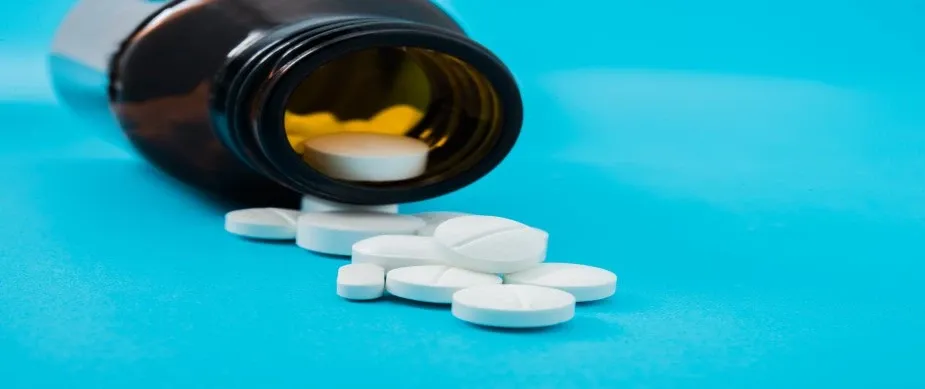
Paracetamol, also known as acetaminophen, is among the most commonly used medications for pain relief and fever reduction worldwide. It is an over-the-counter (OTC) medication that is easily available, affordable, and widely trusted for everyday health issues. Because it is considered gentler on the stomach than many other painkillers like Ibuprofen or Aspirin, people often take it without much thought.
However, despite its widespread use, paracetamol medicine is not completely risk-free. Incorrect dosing, frequent use, or use in certain medical conditions can lead to serious health problems. Understanding the potential side effects is important for safe use.
How Paracetamol Medicine Works
Paracetamol works by reducing pain signals in the brain and helping regulate body temperature through the central nervous system. It does not significantly reduce inflammation, unlike Non-Steroidal Anti-Inflammatory Drugs (NSAIDs), which is why it is often preferred for mild to moderate pain and fever without gastric irritation.
Typical Uses of Paracetamol
The clinical application of paracetamol covers a wide range of symptoms. It is commonly used for:
- Headache and Migraines
- Fever (Antipyretic effect)
- Body aches and Myalgia
- Toothache
- Back pain
- Pain after minor injuries or medical procedures
While the paracetamol uses listed above make it a household staple, its accessibility often leads to unintentional misuse.
Recommodaded to Read: Type of Headache and Symptoms of Migraine headache.
Common Uses of Paracetamol
Pain Relief
Paracetamol helps relieve mild to moderate pain without causing much stomach irritation when taken correctly.
Fever Reduction
It is widely used to reduce fever in both adults and children by promoting heat dissipation.
Everyday Ailments It Treats
People often use paracetamol for:
- Cold and flu-related discomfort
- Muscle soreness
- Menstrual pain
- Post-vaccination fever
Know more about: Tips for Preventing the Common Cold and Disprin Tablet Uses.
Paracetamol Side Effects: What You Must Know
Common (Mild) Side Effects
Most people tolerate paracetamol well, but some may experience mild side effects such as:
- Nausea and dizziness
- Vomiting
- Excessive sweating
- Loss of appetite
- Mild stomach discomfort
These symptoms usually improve once the medicine is stopped or the dose is adjusted.
Also Read about: Reasons of Dizziness.
Rare but Serious Side Effects
Although rare at therapeutic doses, serious complications can arise. These include:
- Hepatotoxicity (Liver damage): Symptoms include yellowing of the skin or eyes (jaundice) and upper abdominal pain.
- Anaphylaxis (Allergic reactions): including skin rash, swelling of lips or face, or breathing difficulty.
- Severe Cutaneous Adverse Reactions (SCARs): Such as peeling or blistering (Stevens-Johnson Syndrome).
- Unusual bruising or bleeding, which may indicate blood-related issues like thrombocytopenia.
These signs require immediate medical attention at an emergency department.
Learn more about: Home Remedies for Stomach Pain Relief and Symptoms of Jaundice in Infants & Adults.
Side Effects in Special Populations
Children: Children are sensitive to dosing errors. Even small overdoses can be harmful, so a correct dose based on weight is crucial.
Elderly: Older adults may have reduced liver or kidney function, increasing the risk of side effects with repeated use.
People with Liver or Kidney Issues: Paracetamol can worsen existing liver or kidney problems and should be used only under medical supervision.
When Paracetamol Medicine Becomes Risky
Overuse and Long-Term Use
Taking higher doses than recommended or using paracetamol for long periods can strain the liver and kidneys. The maximum daily dose for a healthy adult is typically 4,000mg (4 grams), but this varies based on individual health profiles. Long-term misuse may silently damage the liver before symptoms appear.
Some emerging research also suggests that excessive use may have potential cardiovascular effects, especially in people with existing risk factors.
Interaction With Alcohol or Other Drugs
Combining paracetamol with alcohol significantly increases the risk of acute liver damage. Certain medications, including OTC cold and flu combinations, may already contain paracetamol, leading to an accidental overdose. Always check medicine labels for "Acetaminophen" or "APAP" to avoid double-dosing.
Explore: Symptoms of Acute Liver Failure.
Misuse and Unregulated Use
Because paracetamol is available over the counter, people may:
- Take multiple products containing paracetamol at the same time
- Exceed the daily recommended dose
- Use it without medical advice for ongoing pain
These practices raise the risk of serious complications.
Who Should Avoid or Be Cautious With Paracetamol
Paracetamol should be used cautiously or avoided by:
- People with known allergy or sensitivity to the compound
- Those with chronic liver disease or heavy alcohol use
- Individuals with chronic kidney problems
- Pregnant women, unless specifically advised by a doctor at the lowest effective dose for the shortest duration.
- Children, where the dose must be correctly calculated based on current weight rather than just age.
At BLK Max Hospital, doctors often advise patients to discuss their medical history before regular use of paracetamol.
Conclusion
Paracetamol is a widely used and effective medicine for pain and fever, but it is not entirely harmless. Overuse, incorrect dosing, and interactions with alcohol or other medicines can make it risky.
Responsible use, careful reading of labels, and seeking medical advice when symptoms persist are essential. At BLK Max Hospital, healthcare professionals advise patients to treat paracetamol as a medication that warrants the same level of caution as any other drug. Used wisely, it can help safely. Used carelessly, it can cause serious harm.
Frequently Asked Question
1. Is Paracetamol Safe for Daily Use?
Occasional use is generally safe, but daily or long-term use should be undertaken only under medical supervision.
2. Can Paracetamol Damage the Liver?
Yes. Paracetamol is metabolized by the liver. Exceeding the recommended daily limit or mixing it with alcohol can lead to acute liver failure, which is a medical emergency.
3. Can Children Take Paracetamol Medicine?
Yes, but only at the appropriate dose for their age and weight, and preferably after consulting a physician.
4. What Are the Side Effects of Paracetamol?
Common side effects include nausea and stomach discomfort. Serious side effects include liver damage and allergic reactions.
5. Is Paracetamol Safe During Pregnancy?
It is often considered safer than many painkillers, but should still be used only on medical advice during pregnancy.
6. What Should I Do If I Miss a Dose of Paracetamol?
Skip the missed dose and take the next one only if needed. Do not double the dose.
7. Is Paracetamol a Painkiller Tablet?
Yes, paracetamol is a pain reliever and antipyretic, but it does not reduce inflammation.
8. What is Paracetamol used for most effectively?
Paracetamol is most effective for treating mild-to-moderate pain (such as headaches or toothaches) and reducing high body temperatures during fevers. Unlike ibuprofen, it is safe for most patients with sensitive stomachs.
9. Is Paracetamol safe for children?
Yes, paracetamol medicine is safe for children when administered using a weight-based dosing chart. Avoid using adult tablets for children; always use pediatric drops or syrups with the provided measuring device.
10. What are the signs of a Paracetamol overdose?
Early signs include nausea, vomiting, and loss of appetite. However, signs of liver failure may not appear for 24 to 48 hours, including jaundice (yellow skin) and right-sided abdominal pain.
11. Can I take Paracetamol with other painkillers?
You can often take paracetamol alongside NSAIDs (like Ibuprofen) if prescribed, but you must never take it with other "multi-symptom" cold medicines that also contain paracetamol to avoid toxicity.
Medical Disclaimer: The information provided here is for educational purposes only and should not be used as a substitute for professional medical advice, diagnosis, or treatment. Always seek the advice of your physician or other qualified health providers with any questions you may have regarding a medical condition.
References
- Graham, G. G., & Scott, K. F. (2005). Mechanism of action of paracetamol. American Journal of Therapeutics, 12(1), 46-55.
- Larson, A. M. (2007). Acetaminophen-induced liver failure. Clinical Liver Disease, 11(3), 525-548.
- Stephens, G., & Al-Ani, R. (2020). Paracetamol use in pregnancy: A review of the evidence. The Pharmaceutical Journal, 305(7941).

Written and Verified by:

Related Blogs

Medical Expert Team
Jul 18 , 2019 | 6 min read
Dr. Rajinder Kumar Singal In Internal Medicine
Sep 22 , 2026 | 7 min read

Dr. Rajinder Kumar Singal In Internal Medicine
Mar 14 , 2024 | 6 min read
Blogs by Doctor
Hyperthermia: What It Is and How It Affects the Body
Dr. Rajinder Kumar Singal In Internal Medicine
Sep 22 , 2026 | 7 min read
Battling the Sniffles: Tips for Preventing the Common Cold
Dr. Rajinder Kumar Singal In Internal Medicine
Mar 14 , 2024 | 6 min read
Signs of Low Vitamin D Levels You Should Not Ignore
Dr. Rajinder Kumar Singal In Internal Medicine
Jul 30 , 2026 | 15 min read
Most read Blogs


Related Blogs
Medical Expert Team
Jul 18 , 2019 | 6 min read
Dr. Rajinder Kumar Singal In Internal Medicine
Sep 22 , 2026 | 7 min read
Dr. Rajinder Kumar Singal In Internal Medicine
Mar 14 , 2024 | 6 min read
Blogs by Doctor
Hyperthermia: What It Is and How It Affects the Body
Dr. Rajinder Kumar Singal In Internal Medicine
Sep 22 , 2026 | 7 min read
Battling the Sniffles: Tips for Preventing the Common Cold
Dr. Rajinder Kumar Singal In Internal Medicine
Mar 14 , 2024 | 6 min read
Signs of Low Vitamin D Levels You Should Not Ignore
Dr. Rajinder Kumar Singal In Internal Medicine
Jul 30 , 2026 | 15 min read
Most read Blogs
