 +91 954 002 5025 (24/7)

To Book an Appointment
Call Us+91 954 002 5025To Book an Appointment
Call Us+91 954 002 5025Understanding Paediatric Cancer: Common Types and Symptoms in Children
By Dr. Rajesh Kumar Jain in Paediatric Cancer Programme
Sep 17 , 2026 | 7 min read

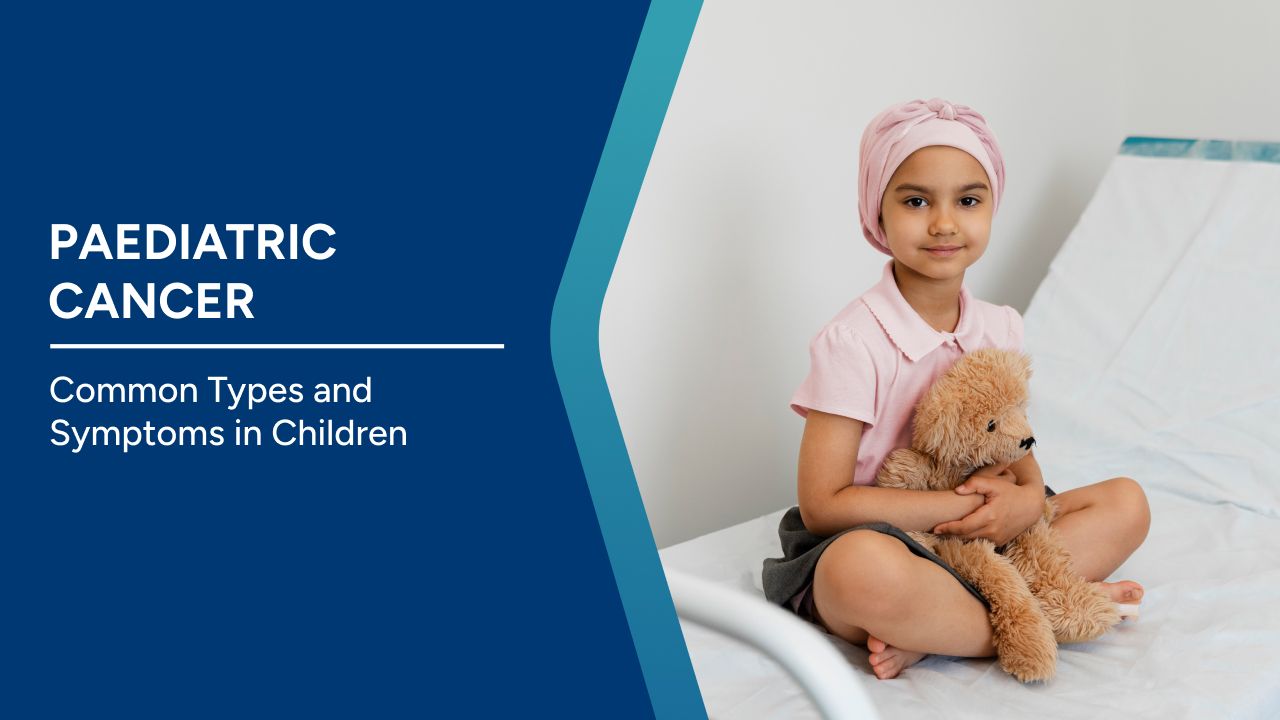
Paediatric cancer is a term used for cancers that develop in children, usually from birth to 14 years of age. Worldwide, more than 275,000 children and adolescents aged 0–19 are diagnosed with cancer every year. Paediatric cancers differ from those seen in adults. They may grow faster, but they also respond well to treatment. With the proper care and medical support, many children recover and enjoy healthy lives.
Understanding these cancers and recognising their early symptoms of paediatric cancer can make a big difference. Early medical attention helps doctors plan appropriate treatment and improve recovery outcomes. Across India and around the world, better treatments and ongoing research continue to bring hope to families and support children on their journey to healing.
This article is intended for general informational purposes and does not replace a consultation with a qualified paediatric oncologist. Please speak to your child's doctor for advice specific to their symptoms or diagnosis.
What Is Paediatric Cancer?
Cancer in children begins when some cells start growing abnormally. Unlike cancers in adults, these are rarely linked to lifestyle or surroundings. Doctors often cannot find a clear cause, though some cases may involve natural genetic changes as a child grows.
Since children's bodies are still developing, these cancers may behave differently but often respond well to treatment. Early diagnosis makes a big difference, helping doctors plan care quickly and support the child's recovery. In high-income healthcare settings, over 80% of children with cancer are cured; outcomes are strongly linked to how early the disease is found and treated, which is why awareness of symptoms matters as much as the treatment itself.
Common Types of Cancer in Children
Leukemia
Leukaemia is among the main types of paediatric cancer and is, in fact, the single most common cancer diagnosed in children overall. It begins in the bone marrow, where blood cells are made. Affected children may feel unusually tired, fall ill often, or bruise easily. Some may have neck or underarm pain or swelling. Acute lymphoblastic leukaemia (ALL) occurs in younger children, most often between the ages of 2 and 5. Treatment usually includes stages of chemotherapy that help many children recover and regain their strength.
Brain and Spinal Cord Tumours
Cancers that affect the brain or spinal cord can appear in different ways, depending on where the tumour develops. Children may have frequent headaches, morning sickness, vision problems, or balance issues. Some may seem unusually tired or less alert. As these signs can resemble other childhood illnesses, regular check-ups and timely medical advice are essential. Paediatric cancer treatment may involve surgery, radiotherapy, or chemotherapy. With the proper care, many children recover and continue to grow and learn.
Neuroblastoma
Neuroblastoma usually affects very young children, most often those under five years of age, with an average age at diagnosis of 1 to 2 years; it is rare after age 10. It begins in nerve cells near the kidneys or other parts of the body. Parents may notice a lump in the abdomen, tiredness, or pale skin. Some children may feel bone pain or seem less active than usual. Treatment depends on how far the disease has progressed and may include surgery, chemotherapy, or immunotherapy.
Wilms Tumour (Kidney Cancer)
Wilms' tumour (Kidney cancer) develops in the kidney and is often found in children between three and four years old on average. Parents may notice a swelling or lump in their child's abdomen while bathing or dressing them. Other signs can include blood in the urine, fever, or discomfort in the stomach area. When detected early, this type of cancer responds very well to surgery and chemotherapy. In a few cases, doctors may also use radiotherapy to ensure full recovery.
Lymphoma (Hodgkin & Non-Hodgkin)
Lymphoma starts in the lymphatic system, which helps the body fight infections. Hodgkin lymphoma often appears in older children and teenagers, while Non-Hodgkin lymphoma can affect younger ones. Signs may include swelling in the neck, armpits, or groin, a prolonged fever, or unexpected weight loss. Some children may also sweat at night or feel breathless. Chemotherapy is usually the primary treatment, and with timely care, many children respond well and regain good health.
Bone Cancers (Osteosarcoma & Ewing Sarcoma)
Bone cancers often affect growing children and teenagers. Osteosarcoma usually begins in the long bones of the arms or legs, while Ewing sarcoma can develop in bones or nearby tissues. Ongoing pain or swelling in a limb may be an early sign. Treatment often includes chemotherapy and surgery, followed by rehabilitation. With modern care, many children recover well and return to active lives.
Early Warning Signs of Paediatric Cancer
Recognising symptoms of paediatric cancer in children can be difficult, as early symptoms often resemble common illnesses. The key is to notice when these signs last longer than usual or seem unusual for your child.
Some signs that may need attention include:
- Persistent tiredness or weakness.
- Repeated fevers or infections.
- Unexplained bruises or bleeding.
- Swelling or lumps in any part of the body.
- Weight loss or loss of appetite.
- Ongoing pain that does not improve.
It's worth remembering that most children with these symptoms will turn out to have a common, treatable illness rather than cancer — but any sign that persists or feels unusual for your child is worth a medical check, simply to find the cause and act early if needed.
Parents should consult a doctor if these signs persist. Early care helps doctors find the cause and begin timely treatment, giving children the best chance to recover and return to everyday life.
Diagnosis and Treatment Overview
Diagnosing childhood cancer usually begins with a physical check-up and a review of the child's health history. If cancer is suspected, doctors may recommend blood tests, imaging, or sometimes a biopsy to confirm the diagnosis.
Cancer treatment depends on the type and stage. It may include surgery, chemotherapy, radiation, or targeted therapy. A team of specialists supports both medical care and emotional well-being, helping families stay informed and comforted throughout the process.
Conclusion
Understanding cancer in children is about staying aware, recognising early signs, and trusting expert guidance. Children may not always be able to explain what they feel, so it helps when parents and caregivers notice changes and seek medical advice early.
At BLK-Max Super Speciality Hospital, a dedicated team of specialists provides comprehensive and compassionate care for children with cancer. The hospital focuses on accurate diagnosis, advanced treatment, and emotional support to help young patients recover and return to healthy, active lives.
This content is for general awareness and does not constitute medical advice, diagnosis, or treatment recommendations. Always consult a qualified paediatric oncologist for guidance specific to your child.
Learn about - What is an Oncologist and Surgical vs Medical Oncologist.
Frequently Asked Questions
1. What is paediatric cancer and which age group does it affect?
Paediatric cancer refers to cancers diagnosed in children, generally from birth up to 14–19 years of age, depending on the classification used. These cancers usually arise from natural cell changes rather than lifestyle factors.
2. What are the most common types of cancer in children?
The most common types include leukaemia, brain tumours, spinal cord tumours, neuroblastoma, Wilms tumour, lymphoma, and bone cancers such as osteosarcoma and Ewing sarcoma. Leukaemia is the single most common type overall.
3. What are the early symptoms of paediatric cancer parents should watch for?
Persistent tiredness, unexplained bruising or bleeding, ongoing fever, unusual lumps or swelling, and unexplained weight loss are signs worth having checked - especially if they last longer than a typical childhood illness would.
4. At what age is childhood leukaemia most common?
Acute lymphoblastic leukaemia (ALL), the most common childhood leukaemia, typically appears between 2 and 5 years of age.
5. Is paediatric cancer curable?
Many children respond very well to treatment, and cure rates can exceed 80% in settings with early diagnosis and full access to treatment. Outcomes vary by cancer type, stage at diagnosis, and how quickly treatment begins.
6. Can paediatric cancer be prevented?
Most childhood cancers are not linked to lifestyle or environmental exposure, so there is no proven way to prevent them. Regular check-ups and prompt attention to unusual symptoms remain the best way to support early detection.
7. How is paediatric cancer diagnosed?
Diagnosis typically starts with a physical exam and health history review, followed by blood tests, imaging, and sometimes a biopsy to confirm the type and stage of cancer.
8. When should parents see a doctor about possible cancer symptoms in a child?
Any symptom - such as persistent fatigue, unexplained bruising, a lump, or a fever that doesn't resolve - that lasts longer than a few weeks or feels different from your child's usual illnesses should be checked by a paediatrician promptly.
References
1. International Agency for Research on Cancer, World Health Organization. (2024). Childhood cancer. https://www.iarc.who.int/cancer-type/childhood-cancer/
2. American Cancer Society. (2025). Key statistics for childhood leukemia. https://www.cancer.org/cancer/types/leukemia-in-children/key-statistics.html
3. American Cancer Society. (2025). Key statistics for neuroblastoma. https://www.cancer.org/cancer/types/neuroblastoma/key-statistics.html
4. American Cancer Society. (2025). Key statistics for Wilms tumors. https://www.cancer.org/cancer/types/wilms-tumor/about/key-statistics.html
5. Pan American Health Organization. (n.d.). Childhood and adolescence cancer. World Health Organization. https://www.paho.org/en/topics/childhood-and-adolescence-cancer

Written and Verified by:

Dr. Rajesh Kumar Jain Exp: 26 Yr
Cancer Centre, Surgical Oncology, Thorax & Lung Cancer Programme, Head and Neck Cancer Programme, Thoracic Cancer Programme, Breast Cancer Programme, Thyroid Cancer Programme, Advance Urology Cancer Programme, Sarcoma and Bone Cancer Programme, Lymphoma Cancer Programme, Paediatric Cancer Programme, Gynaecologic Cancer Programme, Cancer Robotic Surgery Programme
Meet the doctorRelated Blogs

Medical Expert Team
Jan 29 , 2025 | 6 min read
Blogs by Doctor

Men Breast Cancer: Why Awareness Matters
Dr. Rajesh Kumar Jain In Surgical Oncology
Oct 24 , 2025 | 2 min read


Everything You Need to Know About Testicular Cancer Symptoms
Dr. Rajesh Kumar Jain In Cancer Centre , Surgical Oncology
Dec 17 , 2025 | 8 min read
Most read Blogs


Related Blogs
Medical Expert Team
Jan 29 , 2025 | 6 min read
Blogs by Doctor
Men Breast Cancer: Why Awareness Matters
Dr. Rajesh Kumar Jain In Surgical Oncology
Oct 24 , 2025 | 2 min read
Everything You Need to Know About Testicular Cancer Symptoms
Dr. Rajesh Kumar Jain In Cancer Centre , Surgical Oncology
Dec 17 , 2025 | 8 min read
Most read Blogs
