 +91 954 002 5025 (24/7)

To Book an Appointment
Call Us+91 954 002 5025To Book an Appointment
Call Us+91 954 002 5025Norovirus Outbreaks: What You Need to Know
By Dr. Rajinder Kumar Singal in Internal Medicine
Aug 05 , 2026 | 5 min read

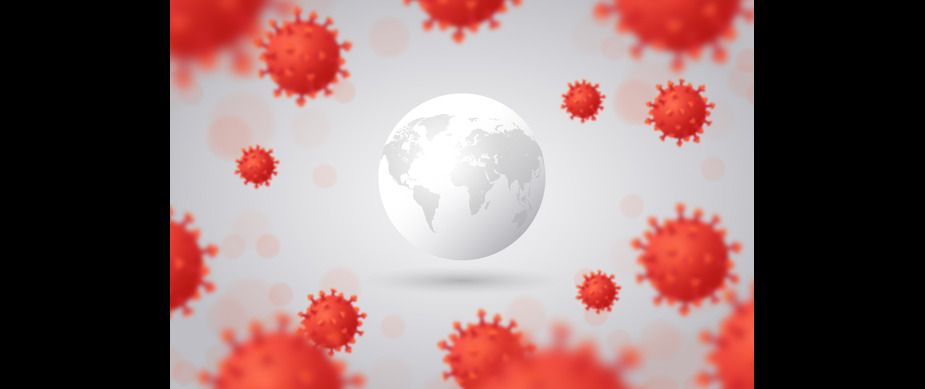
Norovirus is a common stomach virus that causes gastroenteritis – an inflammation of the stomach and intestines. It spreads easily through close contact, contaminated food or water, or touching contaminated surfaces. Common symptoms include nausea, vomiting, diarrhoea, and stomach cramps. Norovirus can affect people of all ages and is a leading cause of foodborne illness.
In this blog, we’ll cover the symptoms of Norovirus, its causes, treatment options, prevention tips, and other key info to help you stay safe and healthy.
Symptoms of Norovirus Infection
Norovirus symptoms usually appear shortly after infection. Knowing what to look for gives you enough time to take early action and prevent the virus from spreading.
Common Symptoms
Symptoms typically begin within 12 to 48 hours after contracting the virus. You might notice:
- Nausea and vomiting
- Loose motions
- Stomach cramps
- Fever, body pain, or tiredness in some cases
It usually hits hard on the first day and then slowly gets better.
Severity and Duration
After one to three days, most people feel fine. However, dehydration poses a serious risk, particularly to infants, the elderly, and those with underlying medical conditions. Keep an eye out for symptoms such as dry mouth, lightheadedness, or prolonged periods without urination. Rehydrate and take quick action if that occurs.
How is Norovirus Transmitted?
Norovirus spreads swiftly and readily, sometimes from unexpected sources. Because it doesn't take much to become infected, outbreaks in workplaces, homes, and schools happen quickly. This virus spreads in several ways, including direct contact with tainted food, water, or surfaces.
Person-to-Person Spread
Norovirus is highly contagious, and it can spread even through casual contact. For example, a handshake with someone who didn’t wash their hands after using the toilet can be enough. Schools, hostels, and care homes, all these places make it easy for the virus to move around quickly.
Contaminated Food and Water
Unwashed fruits, raw shellfish, or uncooked leafy vegetables can carry the virus. Even one bite can make you sick. Ice cubes from local stalls, if made from unsafe water, are also a big risk.
Surface Contamination
The virus can be found on surfaces like tap handles, phones, tables, and doorknobs. If you touch them before touching your mouth or face, then you can be at risk. That’s why maintaining hygiene is important.
Preventing Norovirus Outbreaks
Stopping a norovirus outbreak starts with simple habits. Since this virus spreads fast through touch, food, water, or surfaces, good hygiene and safe food practices are crucial. Whether you're at home, at school, or travelling, small steps like washing hands properly or avoiding untreated water can go a long way. Let’s look at some practical ways to prevent norovirus from spreading.
Hygiene Practices
- Always wash your hands with soap and water after using the bathroom and before meals.
- Don’t touch your eyes, nose, or mouth with unwashed hands.
- Clean surfaces like kitchen counters, bathroom taps, and doorknobs regularly.
Food Safety Measures
- Wash all fruits and veggies under clean running water.
- Cook fish, prawns, and shellfish well. Don’t eat them undercooked.
Avoiding Contaminated Water Sources
If you're uncertain about the quality of drinking water, always choose bottled or properly boiled water to stay safe. Avoid consuming ice from street vendors, especially if it appears dirty or is stored in unclean conditions. Contaminated ice can carry harmful bacteria that lead to stomach infections or diarrhoea.
Read more about - Home Treatments For Diarrhoea, Home Remedies for Stomach Pain Relief and Preventing Gastroenteritis.
Managing Norovirus Infections
There’s no particular medicine for norovirus. You treat the symptoms and let your body fight it off.
- Stay hydrated. Try ORS, coconut water, or buttermilk with a pinch of salt.
- Take enough rest and don’t try to power through. Give your body time.
- Stick to simple food. Try food items that are easy to digest, like curd rice or plain toast.
- Avoid fried food, sweets, or soda drinks.
Please consult an internal medicine doctor if you're not able to eat, your symptoms last beyond 3 days, or dehydration gets worse.
Conclusion
Although Norovirus spreads quickly, particularly in settings like workplaces, schools, and family gatherings, it is preventable. Make sure your food and water are safe, wash your hands, and maintain clean bathrooms and kitchens. It's best to stay at home, take it easy, and refrain from cooking for other people when you're ill. To prevent dehydration, continue drinking liquids such as coconut water, ORS, or light soups. Consult a doctor if the symptoms worsen or if they persist.
At BLK-Max Super Speciality Hospital, there are professionals available to assist you in determining what is happening and what to do next. Our doctors are here to help you get better, whether you have a common stomach ailment or something more serious.
Learn more about - Norovirus in Children.
Frequently Asked Questions
1. How can I tell if I have norovirus or food poisoning?
Norovirus and food poisoning have similar symptoms, like vomiting and diarrhoea, but norovirus tends to start suddenly and is highly contagious. Food poisoning is usually caused by contaminated food and doesn’t spread from person to person. If others around you are also sick quickly, norovirus may be the cause.
2. What are the main causes of norovirus?
Norovirus spreads easily through dirty hands, touching contaminated surfaces, eating food or drinking water that isn’t clean, or being close to someone who is infected.
3. What is the best treatment for norovirus?
There is no specific medicine for norovirus. The best treatment is to drink plenty of fluids to prevent dehydration, eat small and light meals, and get plenty of rest. Most people get better in a few days. See a doctor if symptoms are severe or don’t improve.
4. What is the diagnostic method for norovirus?
Norovirus is usually diagnosed based on symptoms like vomiting, diarrhoea, and stomach pain. Lab tests are rarely needed unless there’s a severe outbreak or serious illness. Most cases are mild and clear up without the need for special testing.
5. Are there vaccines available for norovirus?
No. There is currently no vaccine. Therefore, prevention is key.
6. How long does norovirus stay contagious after symptoms resolve?
You can still spread it for 2-3 days after feeling better. Wait at least 48 hours before going back to school or work.
7. Can I catch norovirus more than once?
Yes, you can catch norovirus more than once. After an infection, your immunity is short-lived and may only protect you for a few months. Also, norovirus has many different strains, so getting sick with one doesn’t protect you from others. That’s why repeated infections are common.
8. What cleaning products effectively eliminate norovirus?
Use bleach-based cleaners or disinfectants that mention norovirus on the label. Focus on the kitchen and bathroom areas.

Written and Verified by:

Related Blogs

Medical Expert Team
Jul 18 , 2019 | 6 min read
Dr. Rajinder Kumar Singal In Internal Medicine
Sep 22 , 2026 | 7 min read

Dr. Rajinder Kumar Singal In Internal Medicine
Mar 14 , 2024 | 6 min read
Blogs by Doctor
Hyperthermia: What It Is and How It Affects the Body
Dr. Rajinder Kumar Singal In Internal Medicine
Sep 22 , 2026 | 7 min read
Battling the Sniffles: Tips for Preventing the Common Cold
Dr. Rajinder Kumar Singal In Internal Medicine
Mar 14 , 2024 | 6 min read
Signs of Low Vitamin D Levels You Should Not Ignore
Dr. Rajinder Kumar Singal In Internal Medicine
Jul 30 , 2026 | 15 min read
Most read Blogs


Related Blogs
Medical Expert Team
Jul 18 , 2019 | 6 min read
Dr. Rajinder Kumar Singal In Internal Medicine
Sep 22 , 2026 | 7 min read
Dr. Rajinder Kumar Singal In Internal Medicine
Mar 14 , 2024 | 6 min read
Blogs by Doctor
Hyperthermia: What It Is and How It Affects the Body
Dr. Rajinder Kumar Singal In Internal Medicine
Sep 22 , 2026 | 7 min read
Battling the Sniffles: Tips for Preventing the Common Cold
Dr. Rajinder Kumar Singal In Internal Medicine
Mar 14 , 2024 | 6 min read
Signs of Low Vitamin D Levels You Should Not Ignore
Dr. Rajinder Kumar Singal In Internal Medicine
Jul 30 , 2026 | 15 min read
Most read Blogs
