 +91 954 002 5025 (24/7)
To Book an Appointment
Call Us+91 954 002 5025To Book an Appointment
Call Us+91 954 002 5025Foods That Have High Fibre: Best Choices for Gut Health & Weight Control
By Dr. Rajinder Kumar Singal in Internal Medicine
Aug 02 , 2026 | 6 min read

Dietary fibre is one of the most essential components of our daily meals. For individuals seeking to optimize their digestion, incorporating foods that have high fibre is non-negotiable.
Research indicates that fibre helps your gut stay healthy, supports efficient digestion, and serves as a cornerstone for sustainable weight control. When digestion works optimally, everything else feels improved: reduced bloating, sustained energy, and better cognitive focus.
Understanding the Two Types of Fibre
There are two types of fibre:
- Soluble fibre: This dissolves in water to form a gel-like substance in your gut and slows down digestion, which helps regulate blood glucose.
- Insoluble fibre: This adds bulk to your stool and promotes peristalsis, helping you maintain regular bowel movements.
You need both, and most natural foods provide a synergistic mix. For example, fruits like apples and pears, and grains like oats, offer a balanced profile of soluble and insoluble fibre. Prioritizing whole, unprocessed foods is vital; they don’t just give you fibre, they provide the precise structural kind of fibre your body needs. Consuming whole foods also means you receive secondary benefits like vitamins, minerals, and antioxidants.
Clinical Benefits of High Fibre Foods
Fibre isn’t just good for digestion; it does a lot more for your body than most people realise. From helping you feel full to managing blood sugar and supporting heart health, foods that are high in fibre can improve how you feel every day and lower your risk of long-term health problems. Here's how fibre works behind the scenes to support your well-being.
1. Supports Digestive Health
Fibre keeps your bowel movements regular, which helps avoid constipation and that heavy, bloated feeling. If you're sitting long hours or not moving much, this becomes even more important.
Read about - Constipation Causes and Constipation Symptom.
2. Helps With Weight Management
High-fibre food fills you up without adding too many calories. So, you stay full longer and don’t feel like snacking every two hours. That’s how it helps with weight control, without forcing yourself to eat less.
3. Regulates Blood Sugar Levels
Fibre slows down how sugar gets absorbed in your body, which helps keep your sugar levels steady after meals. Good for anyone watching their sugar or trying to avoid diabetes. It also reduces sudden spikes and crashes in energy, which means fewer cravings and better control over your appetite throughout the day. Over time, this can make it easier to manage weight and reduce the risk of developing insulin resistance.
Recommended to read - Diet Chart for Weight Loss for Female and Male.
4. Lowers Cholesterol
Some types of fibre can stick to cholesterol and remove it from your body before it enters your bloodstream. So, if you're trying to lower bad cholesterol, soluble fibre is useful.
Learn about - Everything You Need to Know About High Cholesterol.
5. Reduces Risk of Chronic Diseases
Eating fibre every day supports your heart, gut, and metabolism. Over time, it may help reduce the chances of heart problems, type 2 diabetes, or colon cancer. It’s not a one-time fix, but it adds up in the long run.
Best High Fibre Foods: An Indian Perspective
1. Fruits Rich in Fibre
You can have apples, pears, bananas, guava, and berries. Most of the fibre is in the skin, so don’t peel it if it’s edible. Fruits are easy to carry, easy to eat, and naturally sweet.
2. Vegetables Packed with Fibre
You’ll find good fibre in carrots, spinach, broccoli, green peas, sweet potato, and even in beetroot. You can cook them however you like, steam, stir-fry, roast, or even raw in salads.
3. Whole Grains
This includes oats, brown rice, millets like jowar and bajra, quinoa, and whole wheat roti. Avoid maida and refined white bread. The difference between them is that whole grains have the bran and germ, where the fibre is.
4. Legumes and Beans
You can opt for rajma, chana, lobia, moong dal, masoor dal, and even peas, which are easy to make, veg-friendly, and high in both fibre and protein. You can also try non-veg meals with added chickpeas or lentils on the side. For example, grilled chicken with chana salad.
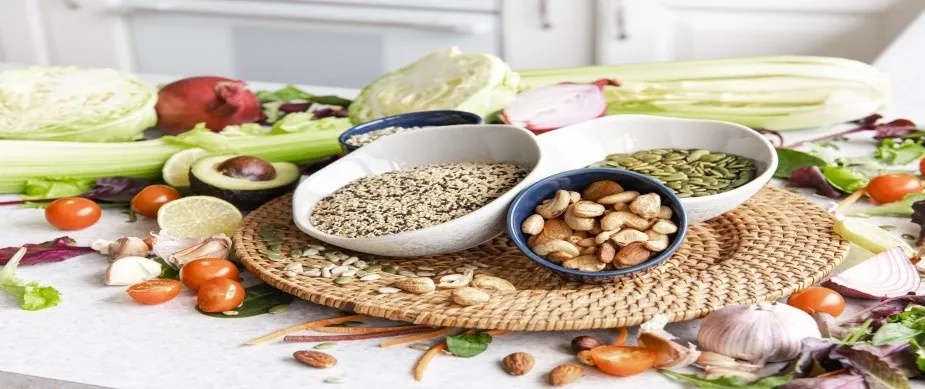
5. Nuts and Seeds
You can add almonds, chia seeds, flaxseeds, or peanuts to smoothies or salads or even sprinkle them on cooked sabzis. But don’t overdo it, as they're calorie-dense, so use them smartly.
How to Add More Fibre to Your Daily Diet?
You don’t have to change everything at once. Just start with small swaps.
- Eat fruit with the peel when possible
- Choose brown rice or millets instead of white rice a few times a week
- Add one bowl of dal or beans to at least one meal
- Snack on fruit or roasted nuts instead of chips or biscuits
- For non-veg eaters, try fish curry with rajma rice or chicken with a side of sautéed veggies
You can add fibre slowly to your diet. If you jump from 0 to 100, your stomach will feel it. Also, drink more water; fibre needs it to move through your system.
A Sample High-Fibre Indian Meal Plan:
Here’s a simple day’s plan:
- Breakfast: Steel-cut oats with banana and a few almonds
- Lunch: Brown rice or Jowar roti, masoor dal, bhindi sabzi (or grilled chicken with sautéed spinach and peas)
- Snack: Guava slices or sprouted moong salad
- Dinner: Whole wheat roti, mixed veg curry (or egg curry), and a fresh cucumber-carrot salad.
Common Mistakes to Avoid
Adding more fibre to your diet is a smart move, but doing it the wrong way can lead to discomfort or missed benefits. People often rush into high-fibre eating without understanding how to balance it with other habits. Here are a few common mistakes to watch out for so that your switch to foods that have high fibre is smooth and effective.
- he sudden jump in fibre intake without drinking water can make you feel bloated or uncomfortable
- Depending too much on fibre powders, they miss out on the full benefits of real food
- Forgetting that fibre comes from natural foods, not from processed snacks
- Neglecting food rich in other nutrients like protein, carbohydrates, vitamins and minerals.
Conclusion
Foods that have high fibre are good for your gut, help you feel full, and support long-term health. Whether you're trying to manage weight, control blood sugar, or just feel lighter and better, fibre makes a difference.
You don’t need a complicated meal plan. Just regular food like fruits, vegetables, grains, dals, and nuts can give your body what it needs.
At BLK-Max Super Speciality Hospital, we recognize that poor gut health is often connected to chronic metabolic problems. Our Department of Clinical Nutrition can help you plan scientifically-backed meals that work for your lifestyle. If you’re already managing a condition, we’ll help you make food choices that support your recovery. You don’t have to do this alone; we’re here to help.
Frequently Asked Questions
1. How much fibre should I eat per day for effective weight control?
Most adults should aim for 25 to 30 grams of fibre daily. For weight control, focusing on high-volume, low-calorie vegetables allows you to feel full while maintaining a calorie deficit.
2. Can high-fibre foods cause bloating?
Yes, if you eat too much at once without water. Start slow and increase gradually.
3. Are fibre supplements as good as fibre from food?
Not really. Whole foods give better benefits because of the extra nutrients they have.
4. What is the difference between soluble and insoluble fibre?
Soluble fibre mixes with water and slows digestion. Insoluble fibre adds bulk and helps you go to the toilet easily.
5. Is fibre good for weight loss?
Yes, because it keeps you full longer and helps avoid overeating.
6. Which Indian grains have the highest fibre content?
Millets such as Jowar (Sorghum), Bajra (Pearl Millet), and Ragi (Finger Millet) are superior to refined wheat or white rice. They provide a dense source of insoluble fibre and essential minerals.
7. Why does a high-fibre diet cause gas initially?
When you suddenly increase fibre, gut bacteria ferment the excess material, producing gas. To prevent this, increase your intake gradually over 2–3 weeks and increase water consumption to help the fibre pass through the intestines.
8. Can high fibre foods help in reducing belly fat?
While no food "burns" fat, high-fibre foods reduce insulin spikes and promote satiety. This prevents overeating and helps reduce visceral (belly) fat over time when combined with exercise.
Medical Disclaimer: The information in this article is for educational purposes only and should not replace professional medical advice, diagnosis, or treatment. Always seek the advice of your physician or a qualified health provider regarding a medical condition.

Written and Verified by:

Related Blogs

Dr. Rajinder Kumar Singal In Internal Medicine
Mar 20 , 2026 | 10 min read

Dr. Rajinder Kumar Singal In Internal Medicine
Mar 14 , 2024 | 12 min read

Dr. Rajinder Kumar Singal In Internal Medicine
Apr 25 , 2022 | 14 min read
Blogs by Doctor
Healthy Dietary Habits: Practical Tips to Build a Better Eating Routine
Dr. Rajinder Kumar Singal In Internal Medicine
Mar 20 , 2026 | 10 min read
Battling the Sniffles: Tips for Preventing the Common Cold
Dr. Rajinder Kumar Singal In Internal Medicine
Mar 14 , 2024 | 12 min read
Diet For Typhoid Fever: Foods To Eat And Avoid for Fast Recover
Dr. Rajinder Kumar Singal In Internal Medicine
Apr 25 , 2022 | 14 min read
Most read Blogs


Get a Call Back
Related Blogs
Dr. Rajinder Kumar Singal In Internal Medicine
Mar 20 , 2026 | 10 min read
Dr. Rajinder Kumar Singal In Internal Medicine
Mar 14 , 2024 | 12 min read
Dr. Rajinder Kumar Singal In Internal Medicine
Apr 25 , 2022 | 14 min read
Blogs by Doctor
Healthy Dietary Habits: Practical Tips to Build a Better Eating Routine
Dr. Rajinder Kumar Singal In Internal Medicine
Mar 20 , 2026 | 10 min read
Battling the Sniffles: Tips for Preventing the Common Cold
Dr. Rajinder Kumar Singal In Internal Medicine
Mar 14 , 2024 | 12 min read
Diet For Typhoid Fever: Foods To Eat And Avoid for Fast Recover
Dr. Rajinder Kumar Singal In Internal Medicine
Apr 25 , 2022 | 14 min read
Most read Blogs
