 +91 954 002 5025 (24/7)

To Book an Appointment
Call Us+91 954 002 5025To Book an Appointment
Call Us+91 954 002 5025High Blood Pressure: Its Causes and How to Reduce It
By Dr. Rajinder Kumar Singal in Internal Medicine
Aug 31 , 2026 | 9 min read

High blood pressure, or hypertension, is a common cardiovascular condition characterised by persistently elevated blood pressure against the artery walls. According to the World Health Organization (WHO), approximately 1.28 billion adults worldwide live with hypertension and nearly half remain unaware of their condition. It can cause serious health problems, such as heart disease, kidney disease, cognitive decline and stroke. When left unmanaged, hypertension can silently damage the heart, kidneys and blood vessels over time. It is important to manage blood pressure proactively for overall health and well-being.
Major High Blood Pressure Causes
Several factors, generally divided into three categories, such as lifestyle, genetics and medical conditions, contribute to high blood pressure.
Lifestyle Factors
Lifestyle choices play a major role in the development of high blood pressure.
- Dietary habits: Hypertension can result from a diet heavy in salt and saturated fats and low in fruits and vegetables. Excess salt causes fluid retention, which increases blood pressure.
- Sedentary lifestyle: A lack of regular physical activity can result in hypertension and weight gain. Exercise lowers the risk of hypertension and helps maintain healthy blood vessels.
- Excessive alcohol consumption: Consuming excessive alcohol can increase blood pressure and reduce the effectiveness of blood pressure medications.
- Smoking: Tobacco use causes an immediate, temporary spike in blood pressure and, over time, stiffens arterial walls, significantly raising cardiovascular risk.
Hypertension can be considerably reduced by eating a balanced diet, exercising regularly and limiting alcohol intake. By making these changes, you can lessen the burden on your cardiovascular system and enhance your overall health.
Genetic Factors
Genetic factors play a crucial role in an individual's likelihood of developing hypertension.
- Family history: If high blood pressure runs in your family, you are more likely to develop it. This hereditary risk factor is important to consider when assessing overall health risks.
- Genetic mutations: Certain genetic mutations can affect how your body regulates blood pressure. These mutations can influence how the kidneys handle salt, how blood vessels function and other processes that impact blood pressure.
Medical Conditions
Several medical conditions can contribute to high blood pressure.
- Chronic kidney disease: Kidneys play a major role in regulating blood pressure by managing fluid balance. Diseases affecting the kidneys can disrupt this balance, leading to hypertension.
- Diabetes: Diabetes can damage the kidneys and blood vessels, thereby increasing the risk of hypertension. Controlling blood sugar levels is essential for reducing the risk of hypertension in individuals with diabetes.
- Sleep apnea: Sleep apnea is a condition in which breathing repeatedly stops and starts during sleep, placing additional strain on the cardiovascular system and raising blood pressure over time.
- Age and sex: Blood pressure naturally tends to rise with age as arteries gradually lose their elasticity. Men are generally at higher risk before the age of 55, while women face increased risk after menopause.
How to Reduce High Blood Pressure? Key High Blood Pressure Preventive Measures
Implementing the following high blood pressure preventive strategies can make a meaningful difference in managing and reducing hypertension.
Adopting a Healthy Diet
- Dietary Approaches to Stop Hypertension (DASH) Diet: The DASH diet emphasises reducing sodium intake and increasing foods rich in potassium, calcium and magnesium. This includes lean proteins, whole grains, fruits and vegetables. Clinical studies have demonstrated that following the DASH diet can lower systolic blood pressure by up to 11 mmHg.
- Reading food labels: Understanding food labels can help you make more informed dietary decisions. Look for low-sodium options and avoid processed foods high in salt and unhealthy fats.
- Role of dietary supplements: Supplements like magnesium and calcium can support blood pressure management, however, it is important to speak with a healthcare professional before starting any new supplement, certain supplements can interact with existing medications.
Engaging in Regular Physical Activity
- Physical activity: Regular exercise helps keep blood vessels flexible and improves heart health. Activities like walking, jogging, swimming and strength training are beneficial. Adults should aim for at least 150 minutes of moderate-intensity aerobic exercise per week.
- Incorporating physical activity into your everyday routine: Simple changes like taking the stairs, walking during breaks and setting realistic exercise goals can make a significant difference in managing hypertension.
Maintaining a Healthy Weight
- Obesity and high blood pressure: Excess weight places additional strain on the heart and blood vessels, leading to increased blood pressure.
- Benefits of weight loss: Losing weight can significantly lower blood pressure. Regular exercise combined with a balanced diet is effective for achieving a healthy weight. Research indicates that even a modest weight reduction of 5–10% of body weight can produce meaningful improvements in blood pressure levels.
- Setting realistic weight loss goals: Set achievable goals and track your progress to maintain motivation and ensure long-term success.
Managing Stress
- The link between stress and high blood pressure: Chronic stress can lead to habits such as poor diet, inactivity and excessive alcohol consumption, which can raise blood pressure.
- Techniques for stress management: Practices like meditation, deep breathing exercises and progressive muscle relaxation can reduce stress levels and, consequently, blood pressure.
Monitoring Your Blood Pressure at Home
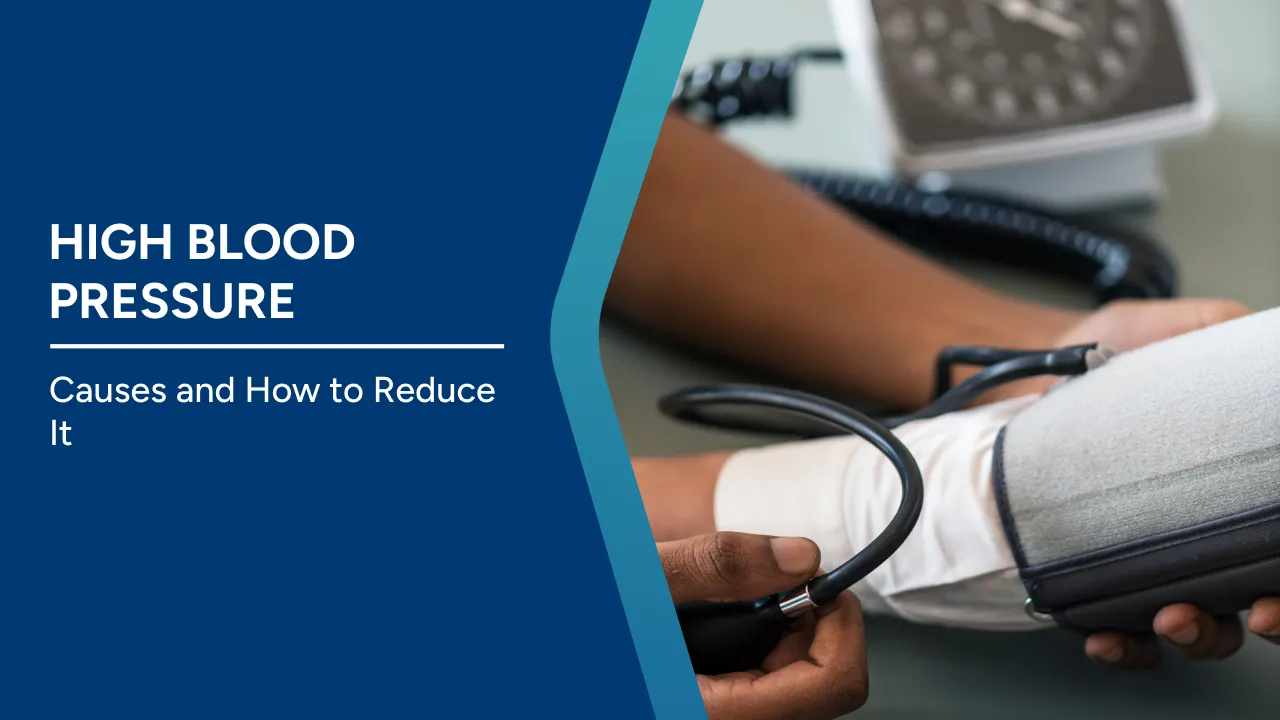
Regular self-monitoring is one of the most effective high blood pressure preventive habits you can adopt. Home blood pressure monitors are widely available and help you track readings between medical visits. A consistent reading above 130/80 mmHg warrants prompt medical consultation.
Conclusion
High blood pressure is a major health concern but can be managed through lifestyle changes, understanding the genetic basis of risk and treating underlying medical conditions. Maintaining a healthy weight, managing stress, following a balanced diet and engaging in regular exercise can significantly lower your risk and enhance your overall health. If you have been diagnosed with hypertension or are concerned about your blood pressure levels, consult an Internal Medicine specialist at BLK Max Hospital for a personalised evaluation and management plan.
Read about - Myths About Hypertension.
Frequently Asked Questions
1. What are the symptoms of high blood pressure?
High blood pressure is often called the "silent killer" because most people have no noticeable symptoms. When symptoms do occur, they may include persistent headaches, blurred vision, shortness of breath, dizziness, or nosebleeds. These typically appear only when blood pressure reaches dangerously high levels. Regular monitoring is the only reliable way to detect hypertension early.
Learn about - Breathing Difficulty Symptoms and Dizziness Symptoms.
2. Can high blood pressure be cured?
High blood pressure generally cannot be cured, but it can be effectively controlled. With a combination of lifestyle modifications - such as a healthy diet, regular exercise, reduced salt intake and stress management - and medications where prescribed, most people with hypertension can achieve and maintain healthy blood pressure levels.
3. What medications are used to treat high blood pressure?
Doctors commonly prescribe one or more of the following classes of medication: ACE inhibitors, angiotensin receptor blockers (ARBs), calcium channel blockers, diuretics (water tablets) and beta-blockers. The choice of medication depends on the individual's overall health, age and whether other conditions such as diabetes or kidney disease are present. Never start or stop blood pressure medication without medical supervision.
4. How often should blood pressure be checked?
Adults with normal blood pressure should have it checked at least once every two years. Those with elevated readings, existing hypertension, or risk factors such as diabetes or a family history of heart disease should monitor it more frequently - ideally every three to six months, or as advised by their doctor. Home monitoring between visits is also strongly recommended.
5. Are there different types of high blood pressure?
There are two main types. Primary (or essential) hypertension has no single identifiable cause and develops gradually over many years - it accounts for around 90–95% of all cases. Secondary hypertension is caused by an underlying condition such as chronic kidney disease, thyroid disorders, or obstructive sleep apnea and may resolve or improve if the underlying cause is treated.
6. What are the complications of high blood pressure?
When left unmanaged, high blood pressure can cause severe and life-threatening complications including heart attack, stroke, heart failure, chronic kidney disease, aneurysm, peripheral artery disease and vision loss or blindness. These risks increase the longer blood pressure remains uncontrolled, which is why early detection and consistent management are essential.
7. What is considered dangerously high blood pressure?
A blood pressure reading of 180/120 mmHg or higher is considered a hypertensive crisis and requires immediate medical attention. Symptoms such as sudden severe headache, chest pain, difficulty breathing, or visual changes alongside very high readings are a medical emergency. Call emergency services or go to the nearest hospital immediately.
8. How quickly can lifestyle changes lower blood pressure?
Results vary by individual, but many people begin to see measurable improvements in blood pressure within two to four weeks of consistent lifestyle changes - such as reducing salt intake, adopting the DASH diet, increasing physical activity and limiting alcohol. More significant reductions typically occur over three to six months. These changes work best alongside any medication prescribed by your doctor.
9. Can young people or children develop high blood pressure?
Yes. While hypertension is more common in adults over 40, it can affect younger adults, teenagers and even children. In young people, it is more commonly secondary hypertension linked to an underlying condition such as kidney disease or a congenital heart defect. Lifestyle factors such as obesity, a high-sodium diet and physical inactivity are also increasingly contributing to hypertension in younger age groups.
10. Is high blood pressure dangerous during pregnancy?
Yes. High blood pressure during pregnancy can lead to serious complications including pre-eclampsia, premature birth, low birth weight and placental abruption. Gestational hypertension and pre-eclampsia require close monitoring and prompt medical management. Pregnant women with any history of hypertension should inform their obstetrician early and have their blood pressure checked at every prenatal visit.
11. What foods should I avoid if I have high blood pressure?
People with high blood pressure should limit or avoid processed and packaged foods high in sodium (salt), pickles and papad, full-fat dairy, red and processed meats, sugary beverages and alcohol. Reducing sodium intake to under 2,300 mg per day - and ideally under 1,500 mg for those with hypertension - is one of the most effective dietary strategies for lowering blood pressure.
12. What is a normal blood pressure reading?
A normal blood pressure reading is below 120/80 mmHg. The top number (systolic) measures pressure when the heart beats; the bottom number (diastolic) measures pressure between beats. Readings between 120-129/less than 80 mmHg are considered elevated, while 130/80 mmHg or above is classified as high blood pressure (hypertension) according to current ACC/AHA guidelines.
13. What are the risk factors for developing high blood pressure?
Risk factors include a range of factors, such as age, family history, obesity, lack of physical activity, poor diet and excessive alcohol consumption.
14. Are there alternative treatments or therapies for high blood pressure?
Lifestyle changes, dietary changes and stress management techniques are effective non-pharmaceutical approaches.
Medical Disclaimer: This article is intended for general informational purposes only and does not substitute for professional medical advice, diagnosis, or treatment. Always consult a qualified healthcare professional for guidance specific to your health condition.
References
[1] World Health Organization. (2023). Hypertension. https://www.who.int/news-room/fact-sheets/detail/hypertension
[2] American Heart Association. (2023). Smoking, high blood pressure and your health. https://www.heart.org/en/health-topics/high-blood-pressure/changes-you-can-make-to-manage-high-blood-pressure/smoking-high-blood-pressure-and-your-health
[3] Calhoun, D. A., & Harding, S. M. (2010). Sleep and hypertension. Chest, 138(2), 434–443. https://doi.org/10.1378/chest.09-2954
[4] Neter, J. E., Stam, B. E., Kok, F. J., Grobbee, D. E., & Geleijnse, J. M. (2003). Influence of weight reduction on blood pressure: A meta-analysis of randomized controlled trials. Hypertension, 42(5), 878–884. https://doi.org/10.1161/01.HYP.0000094221.86888.AE

Written and Verified by:

Related Blogs

Medical Expert Team
Jul 18 , 2019 | 6 min read
Dr. Rajinder Kumar Singal In Internal Medicine
Sep 22 , 2026 | 7 min read

Dr. Rajinder Kumar Singal In Internal Medicine
Mar 14 , 2024 | 6 min read
Blogs by Doctor
Hyperthermia: What It Is and How It Affects the Body
Dr. Rajinder Kumar Singal In Internal Medicine
Sep 22 , 2026 | 7 min read
Battling the Sniffles: Tips for Preventing the Common Cold
Dr. Rajinder Kumar Singal In Internal Medicine
Mar 14 , 2024 | 6 min read
Signs of Low Vitamin D Levels You Should Not Ignore
Dr. Rajinder Kumar Singal In Internal Medicine
Jul 30 , 2026 | 15 min read
Most read Blogs


Related Blogs
Medical Expert Team
Jul 18 , 2019 | 6 min read
Dr. Rajinder Kumar Singal In Internal Medicine
Sep 22 , 2026 | 7 min read
Dr. Rajinder Kumar Singal In Internal Medicine
Mar 14 , 2024 | 6 min read
Blogs by Doctor
Hyperthermia: What It Is and How It Affects the Body
Dr. Rajinder Kumar Singal In Internal Medicine
Sep 22 , 2026 | 7 min read
Battling the Sniffles: Tips for Preventing the Common Cold
Dr. Rajinder Kumar Singal In Internal Medicine
Mar 14 , 2024 | 6 min read
Signs of Low Vitamin D Levels You Should Not Ignore
Dr. Rajinder Kumar Singal In Internal Medicine
Jul 30 , 2026 | 15 min read
Most read Blogs
