 +91 954 002 5025 (24/7)
To Book an Appointment
Call Us+91 954 002 5025To Book an Appointment
Call Us+91 954 002 5025Healthy Dietary Habits: Practical Tips to Build a Better Eating Routine
By Dr. Rajinder Kumar Singal in Internal Medicine
Nov 17 , 2026 | 10 min read

Unhealthy eating patterns can increase the risk of chronic non-communicable diseases (NCDs), including obesity, type 2 diabetes and cardiovascular disease. Dietary factors such as excessive salt, added sugar and saturated fat, inadequate fibre intake and frequent consumption of ultra-processed foods can negatively affect metabolic and cardiovascular health. Adopting balanced eating patterns helps support overall health and reduce these long-term risks.
Building healthy dietary habits does not require restrictive diets or drastic changes. It involves making consistent food choices, maintaining appropriate portion sizes and choosing nutrient-rich foods that suit your nutritional needs and lifestyle. Understanding these habits can help you establish a sustainable eating routine.
What Are Healthy Dietary Habits?
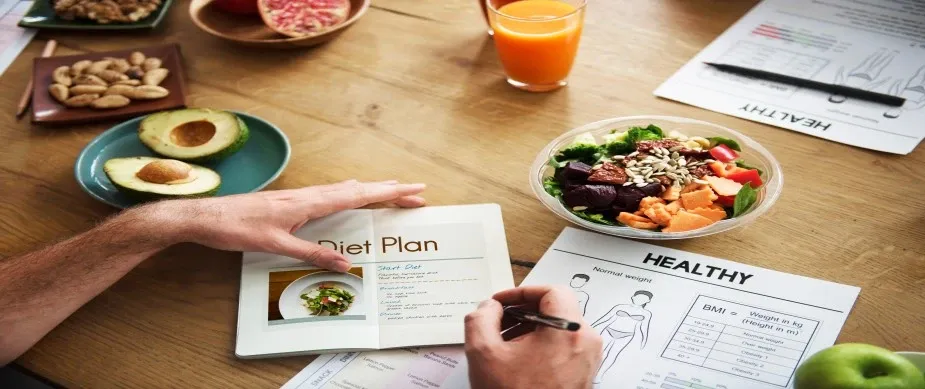
Healthy dietary habits refer to consistent food choices that provide essential nutrients while supporting the body's energy requirements and overall health. They involve eating a variety of vegetables, fruits, whole grains, pulses and protein-rich foods while limiting excess salt, added sugar and highly processed foods.
For example, a balanced Indian meal may include dal, a portion of whole-grain roti or rice, mixed vegetables, curd and fresh fruit. The proportions and ingredients can be adjusted according to individual nutritional requirements, health conditions and activity levels.
Other important practices include eating appropriate portions, maintaining regular meal patterns and practising mindful eating. These habits help improve dietary quality and make balanced eating easier to sustain over time.
Healthy Eating Targets at a Glance
These daily targets for adults come from global health guidance. Use them as a guide, and ask a doctor or dietitian if you have a health condition.
- Vegetables and fruit: At least 400 g a day, in a mix of colours.
- Salt: Less than 5 g a day from all sources.
- Added sugar (including honey and syrups): Less than 10% of daily calories, which is about 50 g on a 2,000-calorie diet. Going below 5% may give extra benefits.
- Fat: No more than 30% of daily calories, with saturated fat under 10% and trans fat under 1%.
- Fibre: At least 25 g a day, from pulses, whole grains, vegetables, fruit, nuts and seeds.
Benefits of Adopting Healthy Dietary Habits
A healthy diet plays an essential role in supporting overall well-being. From managing weight to improving cognitive function and reducing long-term health risks, consistent dietary habits offer numerous physical and mental health benefits.
1. Supports Weight Management
Do you know that cultivating healthy dietary habits can help you manage excessive weight without extreme restriction?
Balanced meals rich in fiber and protein help you stay satiated. You are less likely to crave unhealthy snacks if your breakfast or lunch is wholesome. Meals like sprouted poha with peanuts, fermented dosa with chutney, or grilled paneer with veggies fuel your body and help keep your metabolism active.
2. Boosts Immune System
Your immune system requires specific micronutrients to function optimally. Amla (Vitamin C), spinach (Iron/Folate), dals, nuts, turmeric, and lemon, common in Indian kitchens, can help support your immune response.
To add a subtle flavour and yet be nutritious, you can sprinkle turmeric (curcumin) into your sabzi, squeeze lemon on your khichdi, and eat a mix of vegetables. These small additions are common in Indian cooking and scientifically proven to be helpful for your health. Turmeric is a common spice in Indian cooking, but it is not yet clear whether it benefits health. Turmeric supplements can cause side effects, so check with your doctor before taking them.
3. Reduces Risk of Chronic Illness
Heart disease, type 2 diabetes, and digestive issues are often linked to long-term nutritional deficiencies or excesses. Replace fried samosas with roasted chana, pick roti over refined bread, and choose water or chaas over soft drinks. Indian home-cooked food already has the ingredients you need; use those healthy alternatives to achieve metabolic balance.
4. Improves Mental Health and Mood
Emerging research in nutritional psychiatry suggests that food affects how you feel emotionally. Omega-3 fatty acids (found in fish, walnuts, and flaxseeds) and complex carbohydrates like oats or brown rice can help stabilize mood and improve focus by supporting brain health. Food alone cannot treat depression or anxiety. If low mood or anxiety continues or affects your daily life, speak to a doctor.
Practical Tips to Build Healthy Dietary Habits
Healthy eating doesn't have to be complicated. With a few simple changes and mindful routines, you can make nutrition a regular part of your lifestyle. Here are some actionable healthy eating tips:
- Plan Your Meals and Grocery List: Knowing what to cook for the entire week helps you shop smarter and eat healthier. If you know you're having khichdi on Monday and rajma-chawal on Tuesday, you will be less tempted to order calorie-dense takeout. Planning meals avoids waste, saves money, and removes the last-minute uncertainty of what to eat.
- Eat More Whole Foods and Fewer Processed Items: The fewer the steps between the food's source and your plate, the better. Try to eat foods that are close to their natural state, such as fruits, vegetables, dals, ancient grains (millets), eggs, fresh paneer, or lean chicken. Limit packaged snacks, instant mixes, and soft drinks. If you do indulge, keep it occasional.
- Practice Portion Control: Eating too much, even healthy food, can lead to a caloric surplus. Use smaller plates, serve food in portions, and eat slowly. This gives your body time to signal satiety. If you feel hungry between meals, pick something light like a fruit or a glass of buttermilk.
- Stay Hydrated: Water helps with digestion and thermoregulation, and keeps false hunger away. Aim for 2-3 liters a day. If you tend to forget, keep a bottle near you or set a reminder. You can also sip on lemon water, unsweetened chaas, or tender coconut water as they are easily available options to stay hydrated.
- Establish Consistent Meal Times: Your circadian rhythm works well when it knows when to expect food. Skipping meals or eating too late at night confuses your system and slows metabolism. Start with breakfast within two hours of waking up.
- Read Food Labels: Check the label for added sugar, salt (sodium) and fat, and choose the product with lower amounts.
- Cut Back on Salt: Use less salt while cooking, and go easy on salty condiments, pickles, papad and packaged snacks.
- Choose Healthier Fats: Prefer unsaturated oils such as sunflower, soybean or olive oil, and use all oils in small amounts. See our guide to foods that boost heart health.
How to Maintain Healthy Dietary Habits Long-Term?
Staying healthy requires consistency. If you are managing a clinical condition like hypertension or diabetes, consulting a clinical nutritionist is recommended before making significant dietary shifts. Here are a few practical tips to maintain your habit of eating right:
- Set realistic goals: Start small—reduce sugar in tea or choose brown rice over polished grains.
- Opt for healthier alternatives: Satisfy cravings with options like jaggery chikki instead of refined sugar pastries, or fruit custard instead of ice cream.
- Make it a family effort: Encourage shared cooking in the family, try new healthy recipes, and support one another's choices.
Read more about - 7 Myths About Hypertension & Facts and How Diabetes Affects Your Kidneys?
Common Mistakes to Avoid When Building Healthy Dietary Habits
Many people begin their health journey with good intentions, but a few common missteps can hinder progress. From skipping meals to following extreme diets, these habits may do more harm than good. Understanding what to avoid is just as important as knowing what to include in a balanced diet.
- Skipping meals: This can trigger hypoglycemia or lead to overeating later.
- Following fad diets: Quick fixes like juice cleanses aren't sustainable and may cause muscle loss.
- Over-restricting favourite foods: Total avoidance can backfire; therefore, moderation and the 80/20 rule are key.
- Sugary drinks: Soft drinks, sweetened juices and sugary tea or coffee are an easy way to take in extra sugar.
Know more about - Constituents of a Healthy Diet and What is a DASH Diet?
Conclusion
You don't have to completely change your lifestyle overnight to eat well. Small, steady steps make the biggest difference. Eat simple, eat on time, and listen to your body.
At BLKMax Super Speciality Hospital, we believe that optimal health begins with daily choices. If you're unsure where to start, our expert dietitians and Internal Medicine specialists can guide you with a personalized food plan that matches your metabolic profile, lifestyle, and taste. Reach out to us to make a real, long-lasting shift in how you eat.
Recommended to learn about - Dietitian Chart for a Healthy Diet & Goals and 7-Day Healthy Weight Gain Diet Plan.
Frequently Asked Questions
1. How long does it take to build healthy dietary habits?
It varies for everyone. Some habits form in a few weeks, while others take longer. What matters is consistency.
2. Are cheat meals okay in a healthy eating routine?
A cheat meal once in a while won't ruin your progress. Just enjoy it mindfully and return to your routine without guilt.
3. What's more important – calories or nutrients?
It's always nutrients. Two foods can have the same calories but offer very different benefits. 200 calories from fruit is very different from 200 calories of chips. Focus on nutrient-dense food.
4. Can I follow healthy dietary habits on a budget?
Absolutely. Local vegetables, whole grains like millets, dals, and seasonal fruits are all affordable and nutritious. Home-cooked Indian meals are budget-friendly and healthy.
5. Do I need supplements if I follow healthy dietary habits?
If you eat a balanced diet with various foods, you may not need anything else. But some people, like pregnant women or those with deficiencies, may need them. Alwaysconsult a doctor before starting any supplement.
6. What are the best healthy eating habits for weight loss in India?
The most effective habits include prioritizing protein (like dals, sprouts, and paneer), switching refined grains for millets (ragi, jowar), and practicing portion control by using the "Plate Method" (half plate vegetables, one-quarter protein, one-quarter grains).
Learn more about - Diet Chart for Weight Loss and Keto Diet for Weight Loss.
7. How can I build a healthy eating routine while working a night shift?
Maintain a consistent meal schedule even during your shift. Opt for light, protein-rich snacks like roasted makhana or nuts instead of heavy canteen meals, and ensure you stay hydrated to avoid fatigue-induced sugar cravings.
8. Is Indian home-cooked food always healthy?
While home-cooked food is generally better than processed options, it can be high in simple carbohydrates and fats. To make it healthier, reduce the use of oil (tadka), increase the vegetable-to-grain ratio, and avoid deep-frying.
9. Can healthy dietary tips help manage Type 2 Diabetes?
Yes. Focusing on low-glycemic index foods, such as whole pulses and non-starchy vegetables, and eating at consistent times can significantly help in stabilizing blood sugar levels.
10. Are ultra-processed foods really harmful?
Eating more ultra-processed foods, such as packaged snacks, instant mixes and soft drinks, has been linked to many health problems. A large review of studies found links with heart disease deaths, type 2 diabetes, anxiety, depression and early death. Most of these studies show a link, not proof, and many were of low quality. Even so, building most of your meals on freshly cooked, minimally processed foods is a sensible step.
11. Is fruit juice a healthy choice?
Whole fruit is a better choice than juice. Juice has less fibre, and fruit juices are among the drinks high in sugar that global guidance advises limiting. If you drink juice, keep it to a small glass and avoid packaged juices with added sugar. For most of your drinks, plain water is the best choice.
12. Is alcohol part of a healthy diet?
No. There is no safe level of alcohol, and the risk to your health starts with the first drink. Alcohol causes at least seven types of cancer, including bowel and breast cancer. Some studies have suggested that light drinking may protect the heart, but this has not been shown to outweigh the cancer risk.
Medical Disclaimer: This content is for informational purposes only and does not constitute medical advice. Always seek the advice of a qualified healthcare provider regarding a medical condition or dietary changes.
References
- Centers for Disease Control and Prevention. (2026, March 2). Healthy eating tips.
- Harvard T.H. Chan School of Public Health. (2023, January). Healthy eating plate.
- National Center for Complementary and Integrative Health. (2025, April). Turmeric.
- World Health Organization. (n.d.). Healthy diet. BeHealthy initiative.

Written and Verified by:

Related Blogs

Dr. Rajinder Kumar Singal In Internal Medicine
Mar 14 , 2024 | 12 min read

Dr. Rajinder Kumar Singal In Internal Medicine
Apr 25 , 2022 | 14 min read

Dr. Rajinder Kumar Singal In Internal Medicine
Sep 29 , 2025 | 11 min read
Blogs by Doctor
Battling the Sniffles: Tips for Preventing the Common Cold
Dr. Rajinder Kumar Singal In Internal Medicine
Mar 14 , 2024 | 12 min read
Diet For Typhoid Fever: Foods To Eat And Avoid for Fast Recover
Dr. Rajinder Kumar Singal In Internal Medicine
Apr 25 , 2022 | 14 min read
What is a DASH Diet? A Complete Guide to Healthy Eating
Dr. Rajinder Kumar Singal In Internal Medicine
Sep 29 , 2025 | 11 min read
Most read Blogs


Get a Call Back
Related Blogs
Dr. Rajinder Kumar Singal In Internal Medicine
Mar 14 , 2024 | 12 min read
Dr. Rajinder Kumar Singal In Internal Medicine
Apr 25 , 2022 | 14 min read
Dr. Rajinder Kumar Singal In Internal Medicine
Sep 29 , 2025 | 11 min read
Blogs by Doctor
Battling the Sniffles: Tips for Preventing the Common Cold
Dr. Rajinder Kumar Singal In Internal Medicine
Mar 14 , 2024 | 12 min read
Diet For Typhoid Fever: Foods To Eat And Avoid for Fast Recover
Dr. Rajinder Kumar Singal In Internal Medicine
Apr 25 , 2022 | 14 min read
What is a DASH Diet? A Complete Guide to Healthy Eating
Dr. Rajinder Kumar Singal In Internal Medicine
Sep 29 , 2025 | 11 min read
Most read Blogs
