 +91 954 002 5025 (24/7)


To Book an Appointment
Call Us+91 954 002 5025To Book an Appointment
Call Us+91 954 002 5025Gestational Diabetes: Symptoms, Causes, and Treatment
By Dr. Tripti Sharan in Obstetrics and Gynaecology
Aug 05 , 2026 | 5 min read

During pregnancy, some women experience high blood sugar levels due to gestational diabetes. The condition arises only during pregnancy and typically resolves post-delivery; however, healthcare providers monitor it closely even after delivery. Early detection of this condition is important in pregnancy to safeguard the health of both mother and her baby.
What is Gestational Diabetes?
Gestational diabetes happens during pregnancy when a female body has trouble producing enough insulin. Due to insufficient insulin in the body, blood sugar level shoots up. The increase in blood glucose levels is concerning because it can cause health risks if not controlled at the right time.
Even though in most cases it resolves after delivery, gestational diabetes needs immediate and careful management once tested. Screening for gestational diabetes is a major step in prenatal care, typically conducted between the 24th and 28th weeks of pregnancy.
Gestational Diabetes Causes and Risk Factors
Pregnancy causes an increase in hormones, especially those from the placenta, which is the baby’s main source of nutrients. While these hormones are necessary for the baby's development, they can also make a female body less responsive to insulin and develop a condition known as insulin resistance. As the placenta grows, it produces more hormones, increasing the risk of insulin resistance as pregnancy progresses.
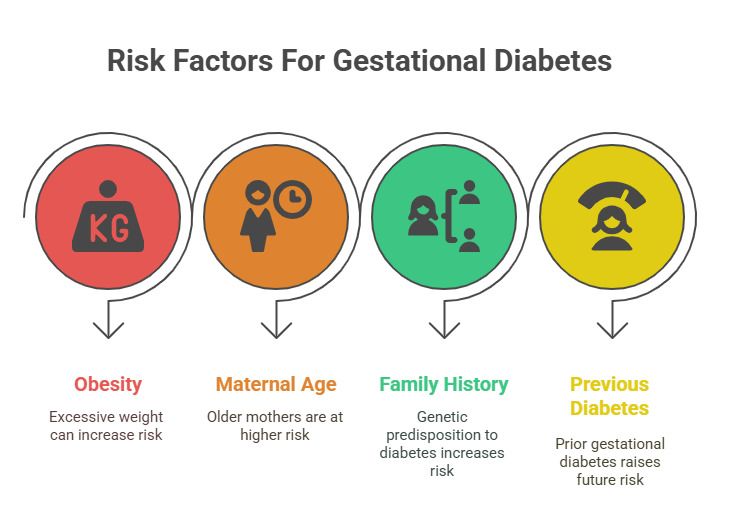
However, not all women who experience these hormonal changes develop gestational diabetes, and there are a few risk factors that increase the likelihood:
- Obesity: Carrying extra weight can increase the chance of insulin resistance, which raises the risk of gestational diabetes.
- Advanced Maternal Age: Women over the age of 25 are at a higher risk. The risk continues to increase with age.
- Family History: If you have a family history of diabetes, especially a close relative with type 2 diabetes, your risk of developing gestational diabetes increases.
- Previous Gestational Diabetes: If you had gestational diabetes during a previous pregnancy, your chances of having it in subsequent pregnancies are higher.
If you're wondering "who is at risk for gestational diabetes," these factors can give you a clear understanding. All pregnant women must undergo screening for gestational diabetes, especially if they pose any of the mentioned risks.
Learn more about - How Diabetes Affects Your Kidneys and PPBS Test: Why Monitoring Blood Sugar After Meals Matters
Gestational Diabetes Symptoms: What to Watch For
Sometimes, gestational diabetes can sneak up without obvious symptoms. This is why regular checkups with doctors are so important.
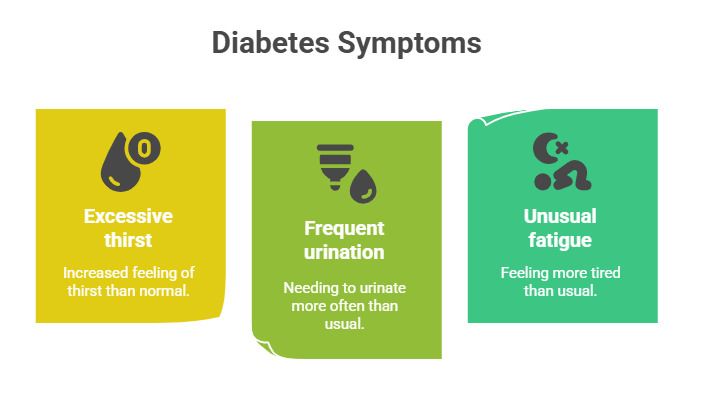
Common gestational diabetes symptoms in pregnant women are:
- Excessive thirst
- Frequent urination
- Unusual fatigue
These symptoms occur because the body is fighting high blood sugar levels.
How is Gestational Diabetes Diagnosed?
Doctors recommend standard tests for all pregnant women which also includes tests for gestational diabetes.
The most common test is the glucose tolerance test – important for detecting how your body processes sugar during pregnancy. This gestational diabetes test is scheduled between the 24th and 28th weeks of pregnancy.
If you're wondering how gestational diabetes is diagnosed, well, the process involves drinking a sweet liquid containing glucose. Your blood sugar level is then measured one hour later to see how well your body works with the glucose. If the results are higher than normal, a follow-up test is done to confirm a diagnosis of gestational diabetes and make sure appropriate steps are taken.
How to Manage Gestational Diabetes
Managing gestational diabetes involves a balanced approach, including diet, exercise, and, in some cases, medication.
Diet and Nutrition Tips
The diet for pregnant women should include low-sugar and high-fibre food options. Meals should contain plenty of fruits, vegetables, whole grain foods, and proteins. A proper gestational diabetes diet helps in the well-being of the mother and the health of the unborn child.
Read more about - High-Risk Pregnancy: Causes, Symptoms, Management and Super Foods Every Woman Must Include in Diet.
Exercise Recommendations
Moderate exercises such as walking, swimming, and even prenatal yoga can significantly enhance insulin efficiency and lower blood sugars. As a recommendation, it is advisable to always first consult your healthcare provider at the BLK Max Super Speciality Hospital before beginning any exercise to make sure that the mother remains safe and healthy throughout the pregnancy.
Medications and Insulin Management
If diet and exercise aren't enough to control sugar levels, insulin or other medications might be required. It’s best to follow your doctor's suggestions and take the necessary steps.
Complications of Gestational Diabetes
Gestational diabetes can lead to several complications for both the mother and the baby if not managed properly. For the mother, these complications include a higher risk of high blood pressure during pregnancy, known as Preeclampsia, and a greater chance of needing a C-section.
Knowing about these gestational diabetes complications and the risks associated with gestational diabetes is very important so that you can take proactive steps to manage the condition effectively.
Can You Prevent Gestational Diabetes?
Preventing gestational diabetes often comes down to making a few key lifestyle choices. Before or during pregnancy, focus on eating well, staying active, and maintaining a healthy weight. These small efforts can make a big difference.
Incorporating these gestational diabetes prevention tips can help you have a healthier pregnancy and an even healthier baby.
Explore the expert guide - 4 Normal Delivery (Vaginal Birth) Tips and Polycystic Ovary Syndrome (PCOS): Causes & Relief.
Frequently Asked Questions
1. Is gestational diabetes reversible?
Certainly! The condition subsides post-childbirth. However, it's important to continue monitoring your blood sugar levels since having gestational diabetes raises the likelihood of developing type 2 diabetes in the future.
2. What is the main cause of gestational diabetes?
During pregnancy, a female body is unable to produce enough insulin, leading to gestational diabetes in some cases.
3. What is the best treatment for gestational diabetes?
The best approach combines a healthy diet, regular exercise, and, if needed, insulin or other medications. Your doctor will help you create a plan that works for you.
4. Does gestational diabetes go away after pregnancy?
Yes, most of the time, it resolves after childbirth. Still, follow-up testing is essential to check that your blood sugar levels return to normal.
5. How often should I monitor my blood sugar?
Your doctor will guide you, but most women are advised to check their blood sugar 2-3 times a day.
6. Who is at risk of developing gestational diabetes?
Women over 25, those with a family history of diabetes, previous gestational diabetes.
7. Can gestational diabetes affect my baby?
Yes, it can. Babies may have a higher birth weight, which can complicate delivery, or face other issues.
8. Who treats gestational diabetes?
A team of specialists, including your Obstetricians-Gynaecologists, a diabetes expert, and a nutritionist, will help you manage gestational diabetes effectively. They’ll work together to give you the best outcomes for you and the baby.
Explore the service about - Nutrition & Health Management Hospital in Delhi, India and Gynaecology & Obstetrics Surgery Hospital in Delhi, India.

Written and Verified by:

Related Blogs
Dr. Dinesh Kansal In Obstetrics and Gynaecology
Oct 05 , 2026 | 10 min read

Dr. Poonam Khera In Obstetrics and Gynaecology
Sep 19 , 2024 | 5 min read

Blogs by Doctor

Uterine Fibroids: Causes, Symptoms, and Effective Remedies
Dr. Tripti Sharan In Obstetrics and Gynaecology
Dec 03 , 2024 | 5 min read
Most read Blogs


Related Blogs
Dr. Dinesh Kansal In Obstetrics and Gynaecology
Oct 05 , 2026 | 10 min read
Dr. Poonam Khera In Obstetrics and Gynaecology
Sep 19 , 2024 | 5 min read
Blogs by Doctor
Uterine Fibroids: Causes, Symptoms, and Effective Remedies
Dr. Tripti Sharan In Obstetrics and Gynaecology
Dec 03 , 2024 | 5 min read
Most read Blogs
