 +91 954 002 5025 (24/7)

To Book an Appointment
Call Us+91 954 002 5025To Book an Appointment
Call Us+91 954 002 5025Bladder Stones Treatment Options: From Medications to Surgery
By Dr. Yajvender Pratap Singh Rana in Urology
Aug 05 , 2026 | 6 min read

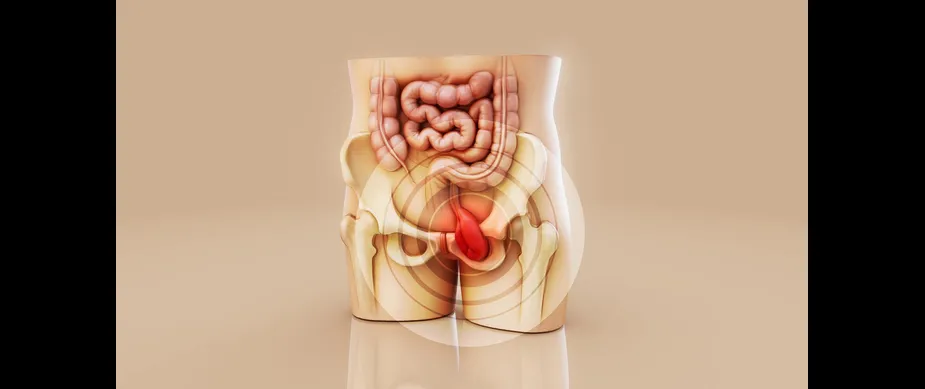
Bladder stones (vesical calculi) are small, hard lumps made of minerals that form when urine stays in the bladder too long and starts to build up waste crystals. Over time, these can become small stones that are sometimes as tiny as grains of sand, but they can grow larger and cause serious pain, recurrent infection, or hematuria (blood in urine) if not treated.
What Causes Them?
The most common reason is not emptying your bladder (urinary retention) properly. This can happen if you have an enlarged prostate (BPH), a bladder infection, or nerve problems. People who don’t drink enough water or hold in urine for long hours can also be at risk. Diet and age play a role, too.
What Symptoms Should You Watch For?
You might feel pain while peeing or notice your urine is cloudy or smells bad. Some people see blood in their urine (gross hematuria), while others feel pressure in the lower abdomen or need to urinate more frequently. If you have any of these symptoms, it’s time to talk to a doctor.
Read more about - Types of Bladder Stones: Causes, Composition, and Symptoms and Reasons for Enlarged Prostate: Causes, Risk Factors, and More.
Diagnostic Methods for Bladder Stones
Urine and Blood Tests
A simple urine test can show if there’s an infection, blood, or crystalluria. Blood tests check how your kidneys are working and whether other health issues are involved.
Imaging Tests
Doctors may recommend an X-ray, ultrasound, or CT scan to localize the stones and see how big they are. CT scans give the clearest picture, especially for small stones that X-rays might miss.
Cystoscopy
In this test, a thin tube with a camera is inserted into your bladder through the urethra under anesthesia. This helps the doctor see exactly where the stones are and how many you have.
Bladder Stones Treatment Options
Non-Surgical Bladder Stones Treatment Options
- Medicines: Doctors may prescribe tablets to dissolve small stones. If there’s pain or infection, you’ll also get antibiotics and pain relievers. But this only works for some people.
- Drink More Water and Make Small Lifestyle Changes: Staying hydrated helps flush microlithiasis (very small crystals). Avoid holding in your pee too long. If you're constipated, start treatment for it, as it puts pressure on the bladder.
- Bladder Irrigation: This is usually done at the hospital. Doctors flush out small stones using a saline solution. It doesn’t work for everyone, but it can help avoid surgery in minor cases.
- Fix the Main Problem: If your bladder isn't emptying properly, that needs to be treated too. This might mean treating an enlarged prostate or infections or even changing medications if they’re causing urine retention.
Surgical Bladder Stones Treatment Options
- Cystolitholapaxy (Transurethral): This is a common method where a small tube with tools is sent into the bladder. A laser (Holmium:YAG) or ultrasonic energy breaks the stones into small pieces, which are then flushed out. Most people go home the same day. You might feel sore while peeing for a day or two.
- Percutaneous Suprapubic Cystolithotomy: If the stones are large (typically >3cm) or occur in children,, doctors might make a small keyhole incision in the lower belly and take them out. Recovery takes longer than endoscopic methods but is more effective for complex stone loads.
- Open Surgery: Used rarely, only if the stones are too big or there are other bladder issues. You’ll stay in the hospital a little longer and need more rest at home.
Choosing the Right Bladder Stones Treatment Option
What Decides the Treatment?
It depends on a few things, like how big the stones are, how many you have, and what they’re made of. Your age, health history, and risk of getting stones again also matter.
Always Get Personalised Medical Advice:
Only a proper checkup with a doctor can tell what treatment is safest for your body.
Recovery and Aftercare
What to Do After Treatment
After stone removal, follow your doctor’s diet and medicine plan. Drink lots of water and don’t skip check-ups.
How to Prevent Them in Future
Stay hydrated, pee often, and avoid salty, junk, or highly processed food. Talk to your doctor about calcium, uric acid, and oxalate levels in your food. You might need to cut down on things like spinach, nuts, or certain meats.
Keep Other Health Issues in Check
If you have diabetes, prostate trouble, or urinary infections, manage them well. These are common triggers for stones.
Learn more about - How Diabetes Affects Your Kidneys.
When You Should Actually See a Urologist
Some people delay seeing a urologist, thinking the pain will pass. But if the symptoms keep coming back, burning pee, discomfort, constant pressure, or blood, don't wait. Get it checked.
A urologist will help figure out the best bladder stones treatment options for your body. The earlier you treat it, the easier the process.
At BLK-Max Super Speciality Hospital, we’re here to help you choose the right treatment for your bladder stones. Book an appointment with us today, and let’s work out the next step together.
Know more about - Urologist - Their Role in Urology, Urologic Diseases Treated, and When to Consult.
Frequently Asked Questions
1. What is the most effective bladder stones treatment?
The treatment depends on the size and type of the stone. In some cases, drinking plenty of water and using prescribed medicines can help pass small stones. For larger or hard-to-remove stones, surgery or other procedures like laser treatment may be needed.
2. Can bladder stones go away on their own?
Very small bladder stones might pass naturally with increased fluid intake. But in most cases, especially if the stones are causing symptoms or are too big, medical treatment is needed to avoid infection or damage to the bladder.
3. Are medications enough to treat bladder stones?
Medicines can help if the stones are small or caused by an infection or a urine imbalance. However, many people will still need a procedure to remove the stones if they don’t break down or pass naturally.
4. Is surgery always required for bladder stones?
Not always. But if the stones are large, causing pain, or blocking urine flow, surgery may be the safest and most effective option. The doctor will decide based on the size, number, and type of stones.
5. How long is the recovery after bladder stone removal?
Recovery time varies depending on the procedure. For minor non-invasive treatments, you may recover in 2-3 days. If surgery is involved, it might take 1 to 2 weeks to get back to normal activities.
6. What lifestyle changes help prevent bladder stones?
Simple steps like staying well-hydrated, eating freshly cooked meals, avoiding high-salt or processed food, treating bladder issues early, and not holding in urine for long can help lower your chances of developing bladder stones again.
7. Do bladder stones come back after treatment?
They can come back, especially if the underlying issue, like bladder infections or poor hydration, is not fixed. Regular follow-ups and small lifestyle adjustments can help reduce the risk of recurrence.
8. What happens if bladder stones are left untreated?
Untreated stones can lead to chronic urinary tract infections (UTIs), permanent bladder wall thickening, hydronephrosis (kidney swelling), and even long-term kidney damage.
9. Is the bladder stone removal procedure painful?
Most procedures are performed under general or spinal anesthesia, meaning you feel no pain during the surgery. Post-operative discomfort is usually managed with oral analgesics and resolves within a few days.
Disclaimer: The information provided in this blog is for educational purposes only and is not a substitute for professional medical advice, diagnosis, or treatment. Always seek the advice of a qualified urologist for any questions regarding a medical condition.

Written and Verified by:

Dr. Yajvender Pratap Singh Rana Exp: 14 Yr
Centre For Renal Sciences & Kidney Transplant, Cancer Centre, Advance Urology Cancer Programme, Cancer Robotic Surgery Programme, Kidney Transplant, Reconstructive Urology, Laparoscopic Urology, Female Urology, Andrology, Technology For Renal Care, Endourology
Meet the doctorRelated Blogs
Blogs by Doctor
Most read Blogs


Related Blogs
Blogs by Doctor
Most read Blogs
